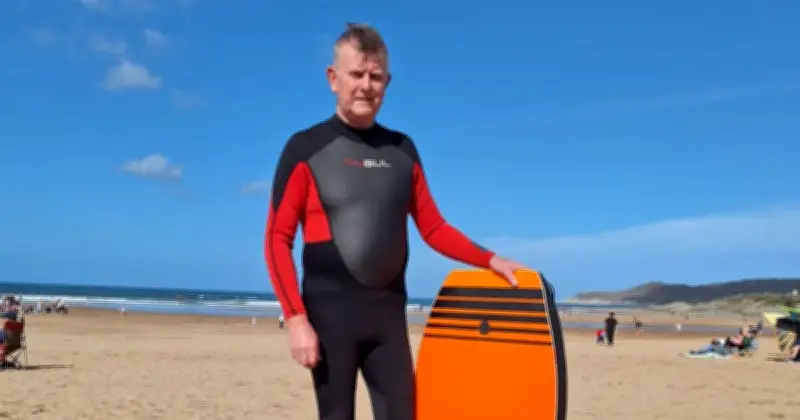
Michael John Page, 70, from Warwickshire, retired completely at 62 after paying the maximum amount into his pension throughout his career and gradually reducing his work hours. Eight years into full retirement, the former cartographer and civil engineer now runs twice a week, has taken up painting again, and was sitting outside his new camper van in Devon preparing to go surfing.
Early pension contributions
Page began paying into a pension when he started his career in the civil service in the 1970s. At the time, contributing part of a young worker's salary did not necessarily seem attractive.
"Somebody tells you that you've got to pay 6% of your money into a pension and you think, well, that's a lot of my salary," he says. "But it's been the best thing for me."
From then on, he "always paid the maximum amount" he could into his pension.
Redundancy and property investment
After taking voluntary redundancy in his early 50s, Page received a sizable payout, which he invested in property. The income from that property was then channelled into his pension.
Over the years, Page had accumulated several private pension pots. He eventually consolidated them with PensionBee, choosing a medium-risk investment plan. The attraction, he says, was having greater control over where his money was invested and being able to adjust the level of risk. The growth over the past decade has been "incredible", he says.
Staged retirement
Page keeps track of his monthly income using spreadsheets. This approach allowed him to reduce his work hours gradually instead of retiring overnight. He went from five days a week to three at 52 and eventually to one, before retiring completely at 62.
"I always wanted to retire in stages rather than just dropping off the edge of a cliff," he explains, adding that it is more of a psychological decision than a financial one.
He had seen people reach retirement with little idea of how they would fill their days, suddenly losing the social life and structure that work provided.