A prominent European parliament leader has issued a stark warning about the vulnerability of the continent's financial infrastructure to potential American political pressure, calling for the creation of a major European payment system to safeguard economic sovereignty.
The Viral Warning from Brussels
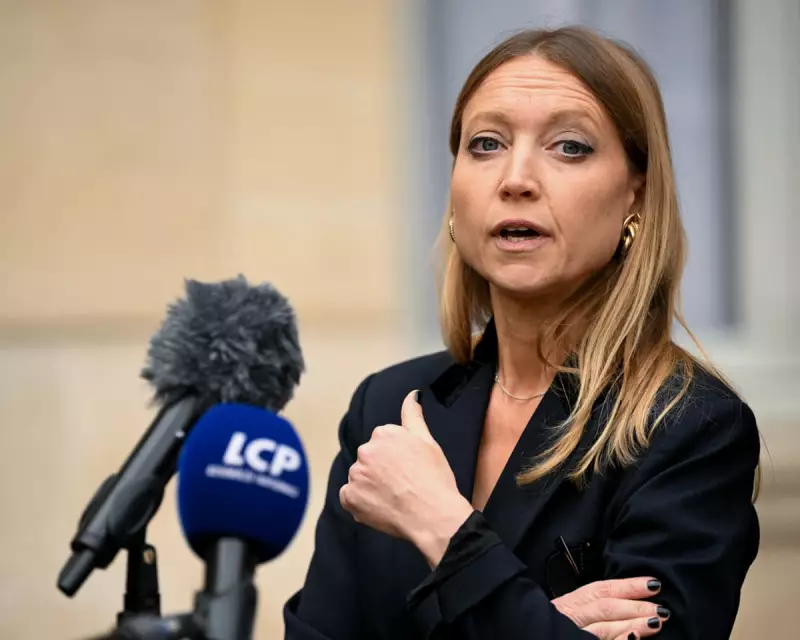
Aurore Lalucq, who chairs the European Parliament's influential economic and monetary affairs committee, sparked widespread concern last week with a viral social media post highlighting how Donald Trump could potentially cut Europe off from international payment networks. The French centre-left politician's message resonated deeply, coming amid growing anxiety about the former US president's willingness to test traditional alliance boundaries.
The reality of payment system weaponisation is not theoretical. Russia experienced this directly following its invasion of Ukraine, when sanctions severed its access to Visa and Mastercard networks. With up to sixty percent of Russian retail transactions previously depending on these American-controlled systems for authorisation, the ban left ordinary citizens stranded without access to funds and unable to purchase essential goods.

Learning from India's Digital Revolution
Ms Lalucq's proposed solution is what she terms an "Airbus of European payments" – a reference to the successful pan-European aerospace consortium that competes globally. She suggests European Commission President Ursula von der Leyen should look to India for inspiration during her current visit to New Delhi.
India has achieved remarkable success with its Unified Payments Interface (UPI), a state-backed digital payment infrastructure developed over the past decade specifically to reduce reliance on foreign-controlled networks. The system operates as a public standard rather than a proprietary wallet, allowing banks, fintech companies, and applications to compete on top of its framework while maintaining near-zero transaction fees.
"India shows that building independent payment infrastructure is not only possible but transformative," analysts note. The country has effectively leapfrogged traditional card networks, moving directly to mobile-based "e-cash" payments using QR codes for everyday transactions. While American companies like Google Pay and Walmart's PhonePe process the majority of transactions, they operate within India's domestic framework rather than controlling it.
The European Challenge
Creating a European equivalent of India's UPI would face significant hurdles:
- The European Union's institutional complexity across twenty-seven member states
- Resistance from established banking institutions accustomed to current systems
- Competition from existing cross-border payment providers like Stripe
- Concerns about privacy and civil liberties in a mature regulatory environment
Ms Lalucq has been particularly critical of Wero, Europe's bank-led payments wallet initiative, dismissing it as merely another private sector product rather than genuine public infrastructure. Her position reflects a growing recognition that true strategic autonomy requires state-backed systems rather than commercial alternatives.
Global Power Competition in Payments
The push for payment sovereignty reflects broader geopolitical shifts. China has systematically built a domestic payment ecosystem designed to be governed entirely within its borders, while India's UPI represents an open, decentralised model that other nations could potentially adopt. Both major powers are actively seeking to export their respective approaches to digital finance.
"Strategic autonomy may begin not with grand military alliances or trade deals, but with how ordinary citizens conduct their daily transactions," observes one Brussels-based policy expert. The call for a European payments system aligns with Canadian Prime Minister Mark Carney's advocacy for deeper cooperation between middle powers seeking to maintain independence in an increasingly polarised world.

As Europe contemplates its digital future, the question of payment sovereignty has moved from technical discussion to urgent political priority. The continent faces a choice between continued dependence on American-controlled networks or the challenging but potentially transformative path toward building its own financial infrastructure – a decision that could fundamentally reshape European economic independence for decades to come.