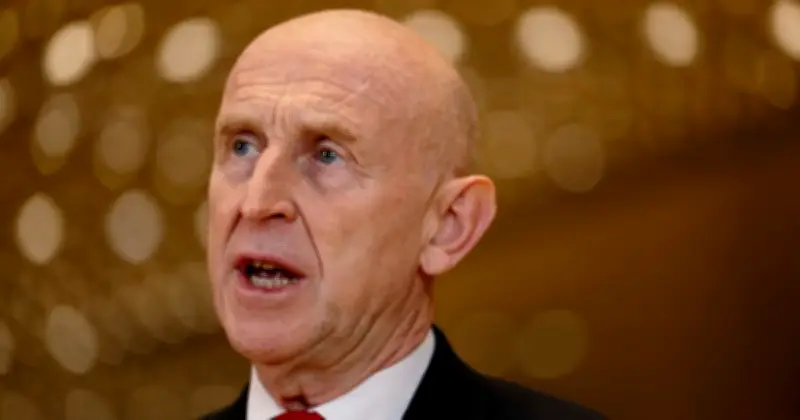
Savers with £20,000 in savings are facing a 'considerable blow' after the Chancellor raised tax on savings interest, a BBC expert has said, amid confusion over whether the increase was 'doubled'.
In his budget speech, Chancellor John Healey spoke of a 'further 2%' for savers, but BBC Radio 4's Moneybox programme heard this was in addition to a rise already planned by his predecessor Rachel Reeves.
Tax rates set to rise from April 2027
From April 2027, the tax on savings income will climb to 24% for basic rate taxpayers, up from the previously scheduled rise of 22%. Presenter Paul Lewis explained: "Income tax on the interest earned on savings is to rise by 4% from April. So it will be 24% at basic rate, 44% for the growing number of higher rate taxpayers and 49% for people with the highest incomes - just over £125,000 a year."
He added: "That means for most people affected the Chancellor will snaffle nearly a quarter of the interest their savings earn. But how the Chancellor described the interest increase in his budget speech confused many."
Mr Lewis said the 'further 2% points' which the Chancellor used last Wednesday confused some savers. He said: "Because those two percentage points are on top of the two percentage points already announced by his predecessor Rachel Reeves last year. Both start together next April."
Impact on savers with £20,000
Mr Lewis said the Treasury has confirmed the change will bring in £1 billion a year from savers. He said: "This is a blow for people who have considerable income from savings. We've been having emails about it already."
Chartered financial planner Ray Black, founder of Money Minder, said: "There is a starting block of a bright side. Not everybody with savings is going to pay more tax. We've still got the personal savings allowance that's £1,000 for basic rate taxpayers, £500 for higher rate taxpayers, and the ISAs still remain tax free."
He added: "So the people who have got savings of somewhere between £20-25,000 and they're getting top rates of somewhere between 3.5 to 4 per cent - they may not feel the pinch of this extra tax at all. However there is those people that have got more than £1,000 savings interest coming in and it's a 20 per cent increase for them."
Higher rate taxpayers and advice
Mr Lewis added: "The number of higher rate taxpayers has doubled to 8 million since the threshold freeze started in 2022. They'll be paying 44%. Is there a way of planning for it?"
Mr Black advised: "First and foremost you really need to understand how much interest you're making in the bank. So £20-£25,000 if the interest you're getting is under £1,000 per person." He advised people to use tax-free ISAs.
One caller, Janet, told the show: "I get my money mainly from savings. My ex-husband gets his income from pensions. As a result of this budget for the same income I will be taxed at a 4% higher rate than he is." Mr Black said the outcome was not 'fair'. Another caller said her mother had a lot of money saved up to pay for her care home which will be taxed higher, and Christopher described it as 'taxing prudence'.
Responding to the budget, Mr Lewis said: "Problem on savings though. If you're saving and you pay tax on the interest, so you've used up your ISAs, you've used up your personal savings allowance, the £1,000 pounds of interest you can make a year tax free from savings. Well, from April 2027, the interest on savings, the tax rates going up. Basic rate taxpayers will pay 24%, high rate taxpayers 44%, top rate taxpayers 49%. Basically, the normal rate plus 4%. So, it's worth making sure you use your tax free allowances."