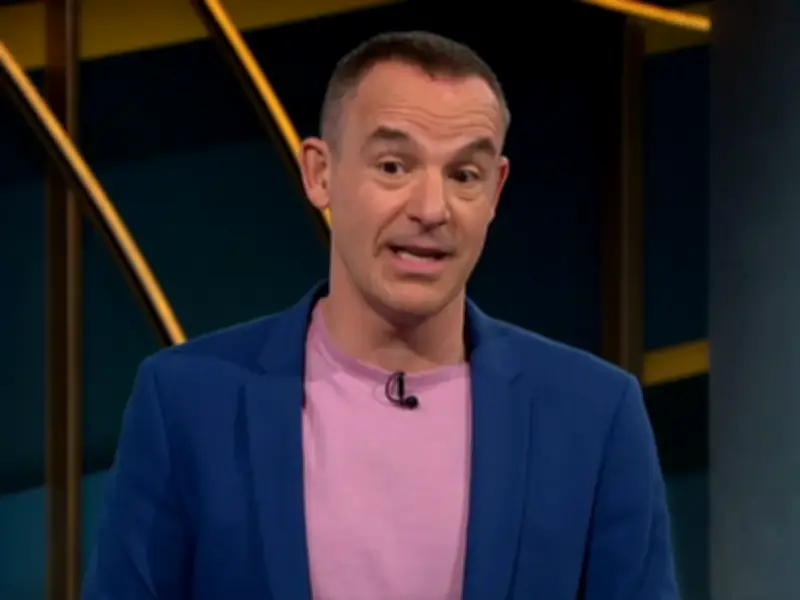
Martin Lewis has warned that savers holding more than £11,000 outside a Cash ISA could face an unexpected tax bill, following changes announced in the Chancellor's Budget.
The personal finance expert highlighted that Chancellor John Healey kept savings tax thresholds frozen in his economic statement, while raising tax rates on savings income. From April 2027, tax on savings income will rise to 24% for basic rate taxpayers, up from the previously planned 22%.
How the savings tax changes affect different taxpayers
Basic rate taxpayers (20%) can earn up to £1,000 in savings interest tax-free each year, higher rate taxpayers (40%) can earn up to £500 in savings interest tax-free annually, while additional rate taxpayers must pay tax on all savings interest.
The savings higher rate will climb to 44%, while the savings additional rate will reach 49%. This means a basic rate income taxpayer can hold £22,222.22 in savings at a 4.5% interest rate before they become liable for tax on their savings interest. A higher-rate taxpayer, by contrast, needs only £11,111.11 in savings at a 4.5% interest rate before tax on savings interest becomes due.
Experts react to the savings tax rise
Responding to the Budget, Mr Lewis said: "Problem on savings though. If you're saving and you pay tax on the interest, so you've used up your ISAS, you've used up your personal savings allowance, the £1,000 pounds of interest you can make a year tax free from savings. Well, from April 2027, the interest on savings, the tax rates going up. Basic rate taxpayers will pay 24%, high rate taxpayers 44%, top rate taxpayers 49%. Basically, the normal rate plus 4%. So, it's worth making sure you use your tax free allowances."
Maike Currie, vice president of personal finance at PensionBee, said she believes a tax rise on savings interest could have a big impact on savers. She said: "The Chancellor has given savers a reprieve with one hand and taken more with the other. Reversing the planned Cash ISA allowance cut is welcome news, but behind the U-turn lurks a significant tax rise on savings interest outside an ISA."
Last year's Budget had already announced a two-percentage-point increase in savings income tax. Healey's Budget adds another two percentage points, taking the total increase to four percentage points from April 2027. That means basic-rate taxpayers will pay 24 per cent on taxable savings interest, higher-rate taxpayers 44 per cent and additional-rate taxpayers a whopping 49 per cent.
"With the Personal Savings Allowance unchanged, savers earning interest above their tax-free limits will now hand over more of it to the taxman. The Cash ISA reprieve is therefore masking a much bigger tax grab on savings held outside the ISA shelter."
The rise could be particularly unwelcome for retirees holding larger cash balances. People drawing an income from invested pensions are often encouraged to keep a cash buffer, potentially covering a year's worth of living expenses, so they can avoid selling investments during a market downturn.
"For those holding this money outside an ISA, the higher tax rates could take a bigger bite out of the interest they earn once their tax-free allowances have been exhausted."
Impact on how people choose to grow their money
Andrew Prosser, head of investments at InvestEngine, says the Budget "could change how people choose to grow their money". He said: "Today's Budget sends a clear message to savers: while the £20,000 Cash ISA allowance remains intact, higher taxes on savings interest and a proposed new incentive for first-time investors could change how people choose to grow their money.
"The Chancellor has announced a further two percentage point increase in tax on savings interest from April 2027, on top of the rise announced in last year's Budget.
"This means basic-rate taxpayers will pay 24 per cent on taxable savings interest, higher-rate taxpayers 44 per cent and additional-rate taxpayers 49 per cent. By contrast, interest and investment returns earned within an ISA remain free from UK income tax and capital gains tax.
"We also welcome the Government's commitment to explore a new incentive for people investing in a Stocks and Shares ISA for the first time. With tax on savings interest increasing, encouraging more people to consider investing for the longer term is particularly important.
"The detail will be critical. Any incentive needs to be simple, accessible and genuinely helpful to people who might otherwise lack the confidence to take their first steps into investing. Working with industry to develop the proposals is a sensible approach, and we would welcome the opportunity to contribute.
"Ultimately, encouraging more people to invest requires more than financial incentives. It means building confidence, improving understanding of investment risks and making it easier to access diversified, low-cost investments that can help people build wealth over time."