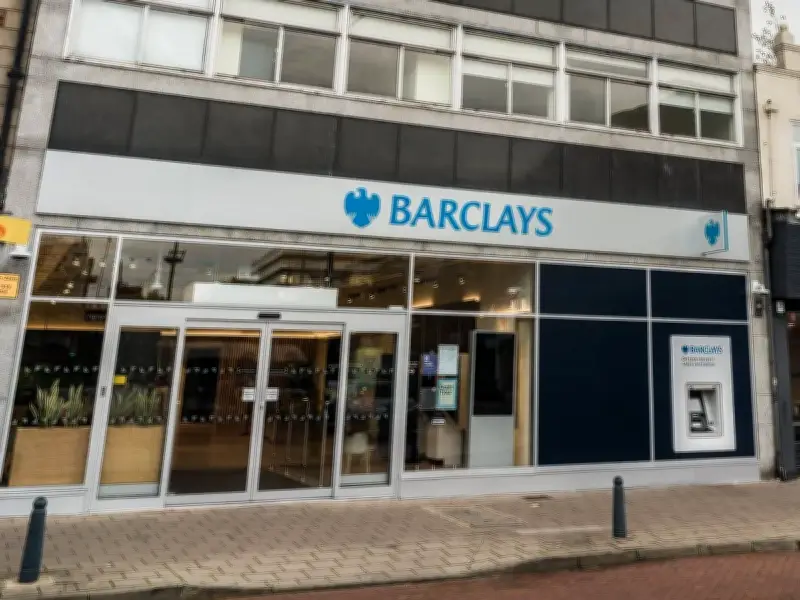
Barclays has become the first major lender to cut mortgage rates following the Budget, offering cheaper deals from Tuesday, November 3. The bank is reducing interest rates across its residential purchase, remortgage and Reward mortgage ranges, with the biggest cuts reaching 0.30%.
Barclays is cutting its two-year fixed-rate mortgage for buyers with a 60% loan-to-value (LTV) from 5.40% to 5.10%. Its two-year fixed deal for borrowers with an 80% LTV is also falling, from 5.60% to 5.30%. The latest changes mean some homebuyers can now access mortgage rates below 5%, with Barclays offering a rate of 4.95% on selected purchases at 60% LTV.
More lenders expected to follow
Barclays’ decision could put pressure on rival mortgage lenders to reassess their rates and offer more competitive deals, according to experts.
David Stirling, Independent Financial Adviser at Belfast-based Mint Wealth, said: “Barclays has blinked first and now the fun starts. If other lenders follow, we could see another mini mortgage price war just when borrowers were bracing themselves for rates to head the other way. But one Barclays rate cut doesn’t suddenly make it a brilliant Budget. Mortgage rates are driven by the markets, not the din coming out of Westminster. For borrowers though, down is down, and at the minute we’ll take that all day long.”
Tracey Dixon, buy-to-let mortgage specialist and owner of Cardiff-based Pure Mortgage and Protection, added: “Borrowers need breathing space and these cuts are a welcome start. Competitors may follow, but one lender’s repricing doesn’t guarantee a market-wide fall. Nor is it a verdict on the Budget: funding costs and competition also influence mortgage pricing. For anyone approaching a remortgage, the practical message is to review early and keep checking available deals. A lower headline rate only helps if the fees and overall cost stack up.”
Impact on bridging loan borrowers
Tony Sanchez, founder of Bridging Loan Directory, said: "Lower remortgage rates could be welcome news for borrowers planning to repay a bridging loan with a residential mortgage. But the rate is only part of the exit: the mortgage still needs to cover the outstanding bridging balance, and both the borrower and property must meet the lender’s criteria.
“Timing matters too. Waiting for a slightly cheaper mortgage can be a false economy if it means paying additional bridging interest or extension fees. The useful comparison is the total cost of completing the refinance, not simply the lowest advertised rate. A cut announced after the Budget doesn’t, by itself, establish that the Budget caused it or tell us whether it was a good Budget overall."
Was the Budget behind the cut?
The Budget appears to have provided some reassurance to mortgage lenders, with Barclays among the first to cut rates following the Chancellor’s announcements. However, some brokers suggest the move is more about lenders competing for borrowers ahead of a busy remortgage year.
Riz Malik, Independent Financial Adviser at Southend-on-Sea-based R3 Wealth, said: “We didn't have a Truss-style reaction to the Budget and lenders can breathe a sigh of relief for now. Next year is a big remortgage year and lenders are keen to get in on the action before we all start singing Jingle Bells. Lenders want your business, so expect some more repricing this week."
Elliott Culley, director of Hayling Island-based Switch Mortgage Finance, added: “Barclays are reducing mortgage rates for higher deposit mortgages ranging from 60-80% loan-to-value. This is not a sign that mortgage rates are coming down, but more a sign that Barclays were priced too high initially and are looking to pick up some new borrowers to add to their portfolio.
"There was an expectation after the Budget that fixed rates would increase. The reality is most mortgage lenders had already made the increases in the build-up to the Budget and are now readjusting. Do not expect many changes to lower deposit mortgages as these will be seen as more high-risk by mortgage lenders."
Stephen Perkins, mortgage broker and managing director of Norwich-based Yellow Brick Mortgages, said: “Barclays cutting rates is good news for borrowers and could encourage competitors to sharpen their pricing too, particularly if they want to win more business before the end of the year. I would be cautious about giving the Budget too much credit, though.
"Fixed mortgage rates are driven by lenders' funding costs, market expectations and competition, not simply by what happened in the Budget. In fact, Barclays is cutting while the Bank of England is widely expected to raise Bank Rate this week. That shows why borrowers should not assume mortgage rates automatically follow the base rate in either direction."