

Global Energy Crisis Intensifies Amid Iran War Disruptions
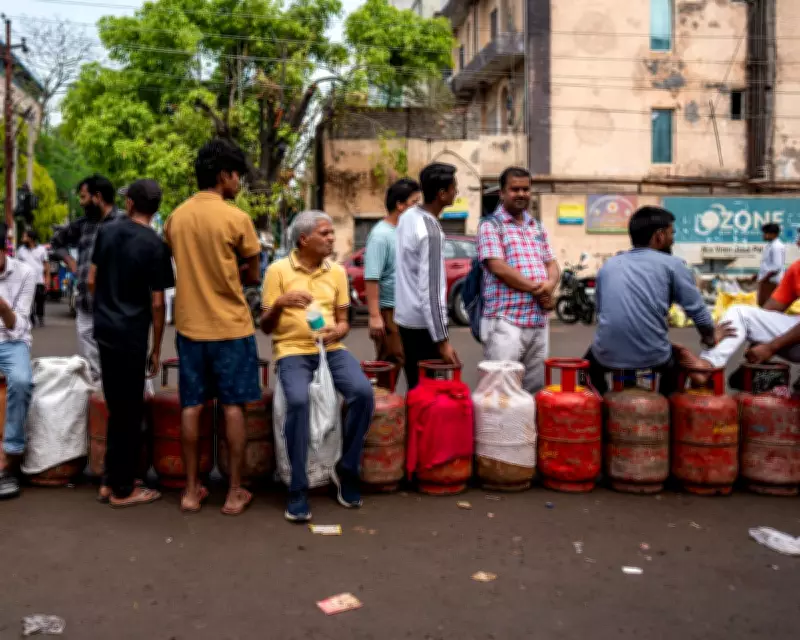
The world is grappling with a severe energy crisis triggered by the war against Iran, which has led to the closure of the Strait of Hormuz, a vital shipping route for oil and seaborne gas. This blockade has caused fossil fuel supplies to shrink dramatically, resulting in soaring prices and widespread economic chaos. In response, countries across the globe are adopting emergency measures, from burning coal to implementing fuel rationing and promoting remote work, as governments scramble to protect supply and curb rising costs.
International Energy Agency Calls for Drastic Actions
The International Energy Agency (IEA) has urged nations to take immediate steps to mitigate the crisis, recommending actions such as flying less and driving slower to reduce demand. Last month, IEA members attempted to calm markets by releasing 400 million barrels of oil from strategic reserves, but the situation continues to worsen, prompting further interventions worldwide.
United States Doubles Down on Fossil Fuels
In the United States, which, alongside Israel, bombed Iran in late February, the Trump administration has threatened additional strikes on Iranian oil infrastructure, potentially prolonging the conflict and driving fuel prices higher. The federal government has not increased subsidies for households struggling with bills but has reinforced its "drill, baby, drill" policy by expanding fossil fuel production. Notably, the administration allocated $1 billion in taxpayer funds to halt windfarm projects off the East Coast, redirecting investments into oil and gas instead.

UK and Commonwealth Nations Offer Targeted Support
The UK has advised citizens to remain calm amid rising fuel prices, avoiding calls for demand curbs and focusing on financial aid for those using oil for heating. Chancellor Rachel Reeves is considering extra funding for council-run crisis funds but has ruled out universal support. Meanwhile, Australia has halved its fuel excise for three months, while New Zealand provides weekly cash payments to families, and Canada refrains from price interventions, reflecting a mixed approach across the Commonwealth.
European Union Struggles with Unified Response
The European Union has advocated for a faster transition to clean energy, yet member states like Italy and Germany are delaying coal phase-outs and boosting gas power. The European Commission has proposed weakening carbon pricing mechanisms and lowering taxes on electricity to reduce reliance on imports. While most EU countries hesitate to impose strict demand cuts, Slovenia has introduced fuel rationing, and Lithuania has cut train ticket prices, highlighting a fragmented response.
Asia Revives Coal and Implements Demand Reduction
Asia, hit hardest by the crisis, is witnessing a coal resurgence, with India, Japan, and South Korea ramping up coal-fired power generation. Countries like Sri Lanka and Vietnam have taken bold steps, such as fuel rationing, four-day workweeks, and promoting remote work. Thailand has even encouraged officials to wear short-sleeved shirts and reduce air conditioning use, showcasing creative efforts to lower energy consumption.
Africa Faces Vulnerability and Limited Measures
Most African nations, as net importers of refined oil, are particularly vulnerable to the surge in fuel and fertiliser prices. Emergency actions include South Africa reducing its fuel levy, Tanzania setting petrol price caps, and Ethiopia introducing fuel subsidies. However, these measures are limited, with countries like South Sudan rationing electricity in urban areas to cope with the shock.
South America Resists Price Suppression
In South America, rightwing governments have largely resisted calls to suppress price rises, with Chile hiking fuel prices to align with global markets and Argentina delaying tax increases on fuels. Brazil remains somewhat insulated due to its large ethanol-powered vehicle fleet, which relies on homegrown sugarcane rather than imported fossil fuels, offering a buffer against the crisis.
This global energy crisis underscores the urgent need for coordinated action as countries navigate supply disruptions and economic instability.






