Westminster Council is writing to 200,000 residents as it plans next year’s budget in the wake of an “unprecedented” £100 million drop in central government funding over the next three years. The Tory-run town hall wants locals and businesses to outline the services they would least like to see scrapped or reduced as part of cost-saving measures—or whether they are happy to see bills hiked significantly to save them.
Budget shortfall and council tax warning
A consultation warns that the borough will face a £160 million budget shortfall by 2029 and if nothing is done “council tax would need to increase by 200% in order to fill the gap”. Westminster currently sets the second lowest council tax in the country, with Band D homes paying £1,047 including the £510 City Hall precept.
Residents and businesses urged to respond
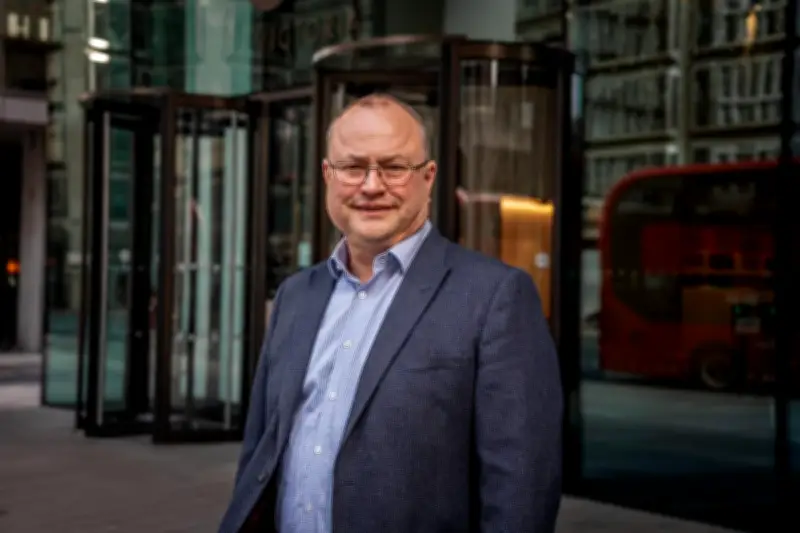
Paul Fisher, cabinet member for finance, said: “It's so important that residents and businesses respond. The decisions we have to take next year will have major implications for years to come, including what increase in council tax gets proposed. These UK Government funding cuts are unprecedented and present us with stark choices and no easy options. That’s why we need to ask our residents some straight questions - what council services do they care most about, and would they be prepared to pay more in council tax to offer some protection against service cuts. We will keep fighting for Westminster residents and pressuring the government, but the reality is there is no scenario in which we do not have to make savings. More than 200,000 residents live in Westminster, but 800,000 people enter our City every day. Westminster also provides over £2.5 billion to the national government in business rates. None of these unique features to the City are recognised in these cuts.”
Impact of government funding reforms
Under Labour's Fairer Funding Review, Kensington and Chelsea, Hammersmith and Fulham, Wandsworth, Westminster and the City of London, as well as Windsor and Maidenhead, will see the largest cuts to funding settlements. The six town halls will be exempt from the cap on raising council tax, set at 5 per cent, from next year, which means bills will likely need to be hiked well above the national maximum to make up shortfalls. Ministers have argued that the six local authorities have had “historically very low bills” and local leaders will be given “flexibility” for two years to increase them above the 5 per cent cap. More residents in these areas are also expected to be hit by the Government’s new mansion tax on homes valued over £2 million, which is set to take effect in April 2028.