UK Petrol Prices Hit Two-Year High Amid Iran Conflict
The price of petrol in the United Kingdom has surged above 150 pence per litre for the first time in almost two years, driven by escalating tensions in the Middle East. This spike coincides with reports of an Iranian nuclear complex being set ablaze after missile strikes, exacerbating fears of further disruption to global oil supplies.
Iran Nuclear Facility Targeted in Attacks
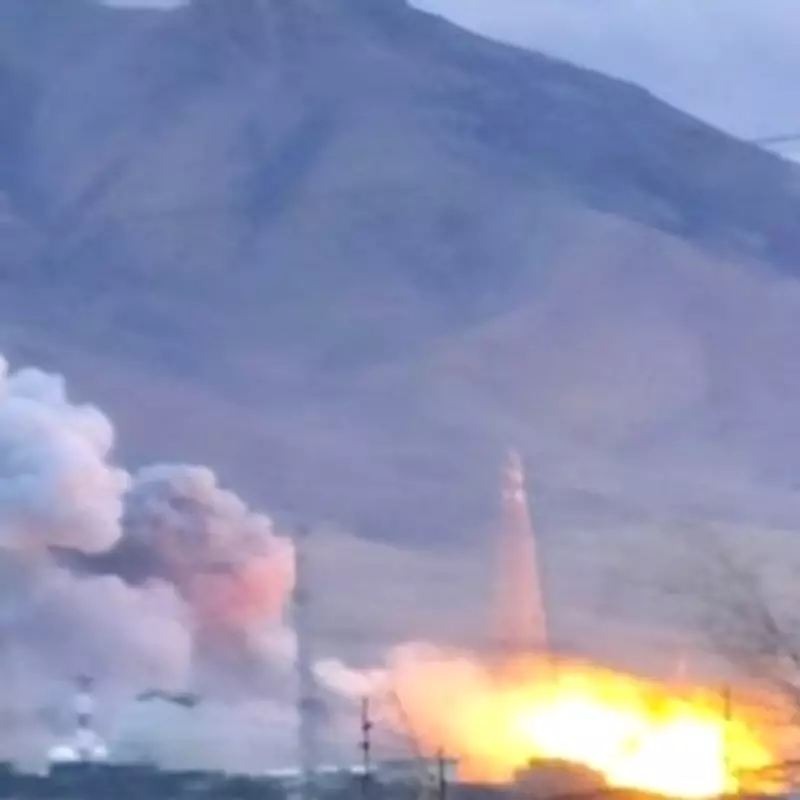
According to Iranian media, the Khondab Heavy Water Complex, part of the Arak Nuclear Complex, was attacked multiple times, with eyewitnesses claiming it suffered approximately ten hits. Images circulating online appear to show the facility engulfed in flames, raising concerns about potential nuclear safety risks. The International Atomic Energy Agency has issued a warning urging maximum restraint to prevent a radiological accident.
Fuel Shortages and Supply Chain Disruptions
Allan Leighton, executive chairman of Asda, has acknowledged temporary shortages at some petrol pumps across the UK, attributing them to tight supply linked to the conflict. He emphasised that these issues are localised and not nationwide, with Fuel Industry UK stating that overall petrol and diesel supply remains stable. However, the average price of unleaded petrol has risen by more than 17p per litre since late February, reaching 150.11p, according to recent RAC data.

Military Escalation and Regional Impact
Iran claims to have over one million troops ready to counter a potential US ground invasion, as reported by a military source in Tehran. Meanwhile, Israel has launched a wave of strikes targeting Iranian military infrastructure, including sites in Tehran and western Iran. The conflict has spread to neighbouring regions, with Israeli airstrikes in Lebanon causing significant destruction and a death toll exceeding 1,000.
International Reactions and Diplomatic Efforts
Foreign Secretary Yvette Cooper has asserted that Iran cannot hold the global economy hostage, calling for a swift resolution to the crisis. At the UN, officials have condemned attacks on civilian infrastructure, particularly a school strike that killed 168 people, mostly children. US President Donald Trump has considered sending additional troops to the Middle East, while former President Trump made controversial remarks about Iran's leadership.
Economic and Consumer Concerns
Prime Minister Sir Keir Starmer has addressed public worries about the conflict impacting the cost of living, including energy bills and fuel costs. The UK government has frozen fuel duty until September, but future measures remain uncertain. As the war disrupts oil production and supply from the Middle East, analysts warn that prolonged instability could lead to sustained high prices and further economic strain.