UK Households Could Be Rewarded for Boosting Electricity Use in Major Grid Overhaul
Officials have unveiled a significant scheme that could see British households rewarded for activities like using washing machines, charging electric vehicles, and ramping up appliance usage at weekends. This initiative marks a fundamental shift in the nation's energy system, driven by the growing influence of wind and solar power.
Incentives for Strategic Electricity Consumption
The National Energy System Operator (NESO) has confirmed that consumers will now be incentivised not only to reduce usage during peak times but also to increase consumption when the grid has an excess supply. This expansion of the Demand Flexibility Service (DFS) represents a "big change," as described by NESO, offering more opportunities for households to earn rewards through strategic electricity use.
The plans were introduced against a backdrop of mounting concern over anticipated energy bill rises this winter, partly due to fallout from the Middle East crisis. Under the revised scheme, families could access cheap or even free electricity during periods of surplus, typically occurring on blustery days with high wind turbine output, sunny intervals with robust solar generation, or weekends when overall demand is lower.
How the Demand Flexibility Service Operates
Originally launched to alleviate strain on the grid during high-demand periods, such as weekday evenings when households are cooking and heating homes, the DFS has involved energy suppliers encouraging customers to participate in events where they are compensated for reducing usage. Practices have included switching off tumble dryers, postponing washing cycles, avoiding oven use during peak hours, and shifting electricity consumption to later in the evening.
Participants have received bill credits, cash payments, or reward points, sometimes saving several pounds per event. More than 2.46 million households and businesses have registered since the service's inception.
Key Changes and Implications
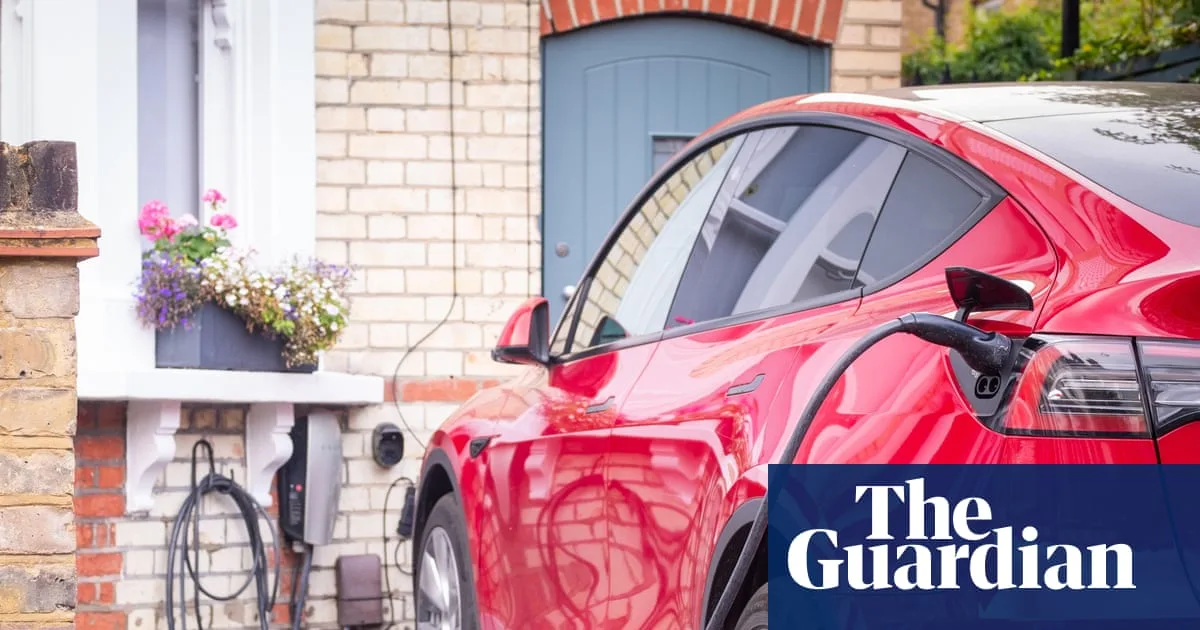
For the first time, the scheme will reward Britons for increasing electricity use during surplus periods. Instead of switching off, households may be urged to operate washing machines or dishwashers, charge electric vehicles, or use other energy-intensive appliances. The goal is to absorb surplus electricity that would otherwise be wasted, improving the utilisation of renewable energy and reducing pressure on the grid.
Rebecca Beresford, Director of Markets at NESO, stated: "There are certain times when the GB system is fortunate to have plentiful supplies of low carbon electricity. Enabling consumers to benefit by increasing their electricity use at those times is a critical step to making demand side flexibility work for consumers and the system."
This move signifies a fundamental change in Britain's power system operation. Historically, electricity supply was adjusted to meet demand, but now, with renewables playing a larger role, demand is increasingly being moulded to match supply. This results in less grid pressure during peak times, better use of renewable energy, and potential bill reductions for flexible households.
Impact on Household Bills and Accessibility
For consumers, the most significant change is the likelihood of more frequent periods of cheap or free electricity. Energy companies are expected to introduce limited-time offers of free power, significantly discounted rates during surplus periods, and ongoing cash incentives for reducing usage at peak times. Essentially, households could be paid both to use less and use more electricity, depending on grid requirements.
The expansion also includes reducing the participation threshold from 1MW to 0.1MW, making it easier for smaller firms and providers to join. This broader initiative aims to create a more flexible, low-carbon energy system where consumers actively balance supply and demand. For bill-payers, it presents a straightforward trade-off: adjust when you use energy and reap the rewards.