UK Households Face £480 Energy Cost Hit Despite US-Iran Ceasefire
UK Households Face £480 Energy Cost Hit Despite Ceasefire

UK Households Face £480 Energy Cost Hit Despite US-Iran Ceasefire

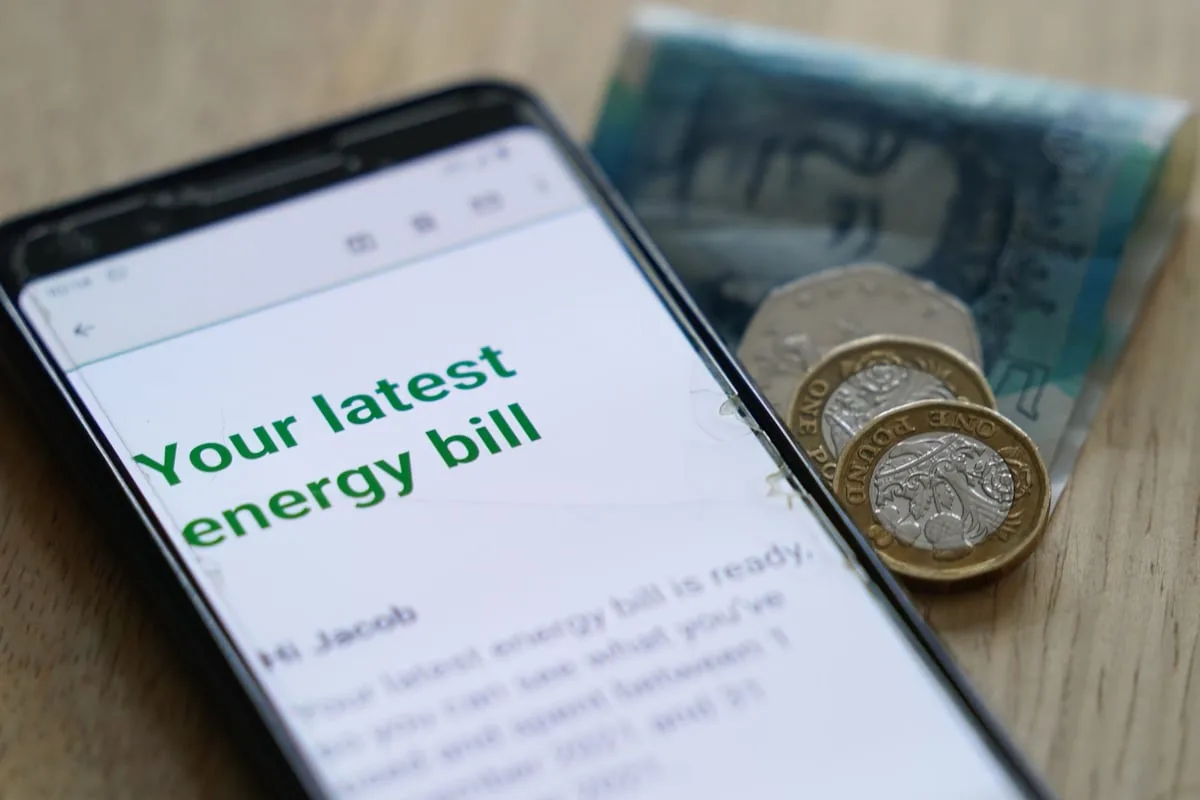
British households will be an average of £480 worse off this year due to increased energy costs stemming from the US-Iran conflict, according to stark new research from the influential Resolution Foundation think tank. This financial blow comes despite the recently announced eleventh-hour ceasefire between the two nations.

Reversal of Forecasted Income Growth

The think tank's analysis reveals that a modest boost to living standards forecast for this year has been entirely reversed for the average household. Prior to the conflict, median incomes were projected to grow by 0.9 percent in 2026. However, they are now expected to fall by 0.6 percent instead.

For lower-income households, the outlook is particularly concerning. Growth forecasts of 2.8 percent have been downgraded to just 1.2 percent, representing a significant reduction in anticipated financial improvement.

Wide Pickt banner — collaborative shopping lists app for Telegram, phone mockup with grocery list

Impact of Strait of Hormuz Closure

The financial damage stems from the effective closure of the Strait of Hormuz over the past month, which triggered a massive spike in global oil and natural gas prices. This immediate increase in fuel costs threatens to raise energy bills significantly throughout the summer months.

While the energy price cap will remain at £1,641 until the end of June, experts warn it could rise dramatically thereafter. A forecast from respected energy consultancy Cornwall Insight, prepared before the ceasefire announcement, suggested the cap could increase by as much as £288 for the average household.

Government Response and Policy Recommendations

Prime Minister Sir Keir Starmer has sought to reassure Britons that there is a "long-term plan" in place, which includes pushing for de-escalation in the Middle East and advocating for the Strait of Hormuz to be reopened permanently. The Labour leader has pledged to tackle the rising cost of living, acknowledging the conflict will "affect the future of our country" while maintaining the UK is "well-placed to weather it."

James Smith, chief economist at the Resolution Foundation, emphasized that "despite hopes for a sustained peace, the path of this conflict remains uncertain and energy prices remain well above pre-war levels, meaning many households face a decline in their purchasing power this year."

Smith added that "de-escalation is certainly welcome, but damage to household finances this year is to a large degree already done." The think tank has urged the government to consider implementing a social tariff for energy bills, which would provide discounted prices for lower-income families struggling with rising costs.

Political and Economic Implications

Chancellor Rachel Reeves indicated in early April that any government support with energy costs would likely be based on household income, though she noted it was "too early" to specify exact mechanisms. Labour MP Graeme Downie, who sits on the energy select committee, warned that "it will still take a long time for prices to return to normal" and suggested the full impact of the crisis on living costs could be felt "until 2027-2028 at least."

A Treasury spokesperson stated: "We know consumers are paying more because of the war in the Middle East. This is not our war and that is why we did not join it. The priority is a peace deal and supporting families through this crisis." The spokesperson outlined existing measures including a £150 reduction on energy bills, extension of the 5p fuel duty cut, support for households using heating oil, pay boosts for millions, and freezes on rail fares and prescription charges.

The Resolution Foundation researchers acknowledged that the future course of the US-Iran conflict remains "highly uncertain", but emphasized that increased energy and fuel costs will "almost certainly be passed on to households" regardless of diplomatic developments. The financial squeeze is expected to affect households across the income distribution, with middle and higher-income groups seeing forecasted growth turn negative.

Pickt after-article banner — collaborative shopping lists app with family illustration