

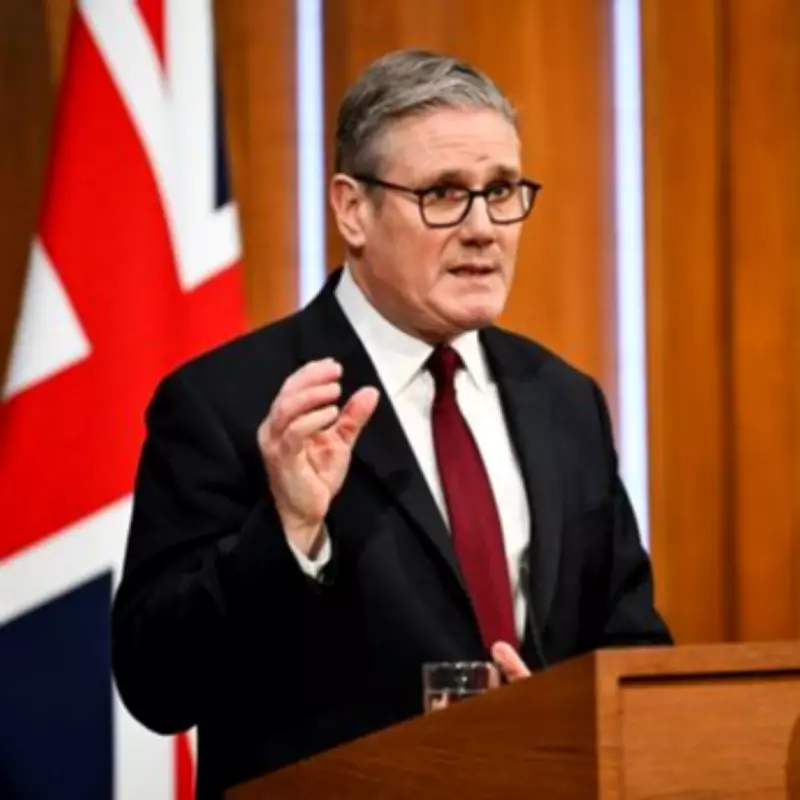
UK Government Rejects Global Energy Reduction Calls Amid Middle East Crisis
In a firm response to international pressure, the UK government has advised British citizens to maintain their normal daily routines, including regular fuel consumption, despite urgent global calls for reduced energy use. This stance comes as the International Energy Agency (IEA) has issued recommendations for immediate demand reduction measures worldwide.
Government's Stance on Fuel Consumption
The Prime Minister's official spokesman emphasized that the IEA's advice, which includes suggestions for lower speed limits, carpooling, and remote work, does not apply to the United Kingdom. "We have a diverse and resilient supply," the spokesman stated. "People in the UK should continue to go about their days in normal fashion. Both the air and fuels industry in the UK have been clear. Drivers should fill up as normal with fuel production and imports continuing across the UK as usual with no issues reported."
International Energy Agency's Recommendations
The IEA has urged governments globally to implement "immediate actions to reduce demand" in response to escalating tensions in the Middle East. The conflict has seen a significant impact on energy markets, with European wholesale gas prices doubling since the crisis began. A recent 35% spike occurred after retaliatory attacks targeted key energy facilities in the region.

Notably, Iran struck Qatar's Ras Laffan plant, the world's largest liquefied natural gas export hub, in response to Israeli attacks on its South Pars gas field. This escalation prompted US President Donald Trump to threaten severe retaliation against Iran's major gas fields if further attacks occur.
Government's Calm Approach and Future Plans
When questioned about potential emergency interventions to assist with rising living costs, the Prime Minister's spokesman indicated that it is "far too early to say what sort of response is needed." Instead, the government's priority remains focused on diplomatic efforts. "The priority for the Government and the Prime Minister is to work with international partners to de-escalate the situation in the Middle East, because that is the best way to reduce the impact of this war on the cost of living at home," the spokesman explained.
Environment Secretary Emma Reynolds echoed this sentiment during an interview with Times Radio, advising against premature belt-tightening. "I think it's too early. I want to reassure people that we are as a government taking calm headed leadership on this issue. We are working with partners to de-escalate this conflict. We need to see how obviously this plays out," she stated.
Industry Warnings and Economic Impact
Despite the government's reassuring tone, energy providers have issued stark warnings about the financial implications of the crisis. EDF, the UK's largest power producer, has projected that energy bills could increase by more than £300 for at least the next year due to the ongoing conflict and its effects on global energy markets.
The government maintains that its current strategy of monitoring the situation while promoting normalcy is the most appropriate response, emphasizing the resilience of the UK's energy supply chain and the importance of international diplomacy in resolving the underlying conflict.






