

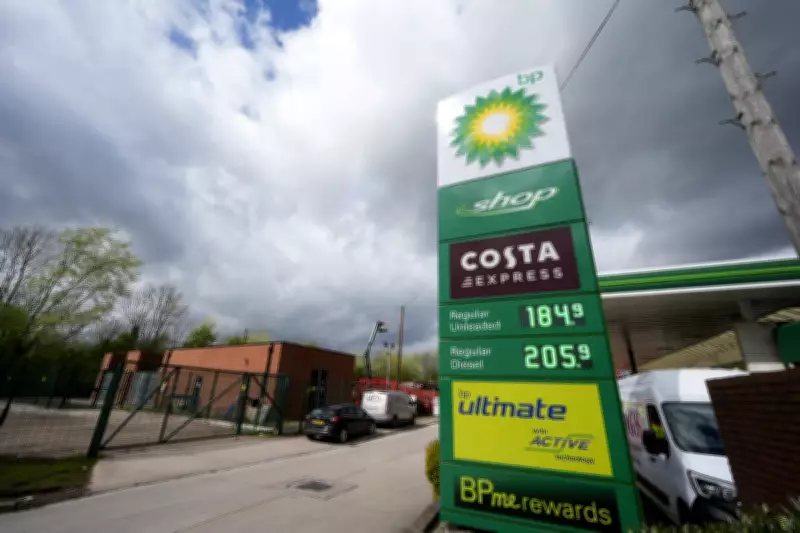
UK Fuel Prices Finally Drop After 46-Day Surge, Offering Relief to Drivers
In a welcome turn of events for motorists across the United Kingdom, fuel prices have fallen for the first time since the onset of the Middle East conflict, bringing an end to a 46-day period of consecutive cost increases. This development marks a significant shift after weeks of relentless price climbs that have strained household budgets and business operations alike.
Current Price Trends and Market Analysis
As of Thursday, petrol averaged 158.1 pence per litre, while diesel stood at 191.2 pence per litre, representing a slight but notable decrease from the previous day's figures. Despite this recent drop, both fuel types remain substantially more expensive compared to their levels at the start of the conflict on 28 February, highlighting the ongoing financial pressure on consumers.
The RAC, a leading motoring organization, has expressed relief at the price fall, noting that drivers will likely welcome this reprieve. Experts from the group are optimistic about the potential for further reductions in the coming days, attributing this hope to lower wholesale prices that could trickle down to retail levels. This cautious optimism is tempered by the volatile nature of global oil markets, which have been heavily impacted by recent geopolitical tensions.

Underlying Causes and Broader Implications
The spike in fuel costs has been largely driven by the closure of the Strait of Hormuz, a critical oil shipping route that has been disrupted due to the conflict. This bottleneck has not only inflated prices but also raised alarms about a potential energy crisis, with warnings of impending flight cancellations linked to jet fuel shortages. The situation underscores the interconnectedness of global supply chains and how regional conflicts can have far-reaching economic consequences.
Finance experts have been advising drivers on simple ways to save money on fuel as prices climbed, such as optimizing driving habits and using price comparison tools. While the recent drop offers some relief, the overall landscape remains uncertain, with factors like international diplomacy and market speculation continuing to influence costs.
In summary, the slight decline in UK fuel prices provides a glimmer of hope for motorists after a prolonged period of increases, but challenges persist as the market navigates the aftermath of the Middle East conflict. Stakeholders will be closely monitoring developments to gauge whether this trend signals a more stable phase or merely a temporary respite.






