

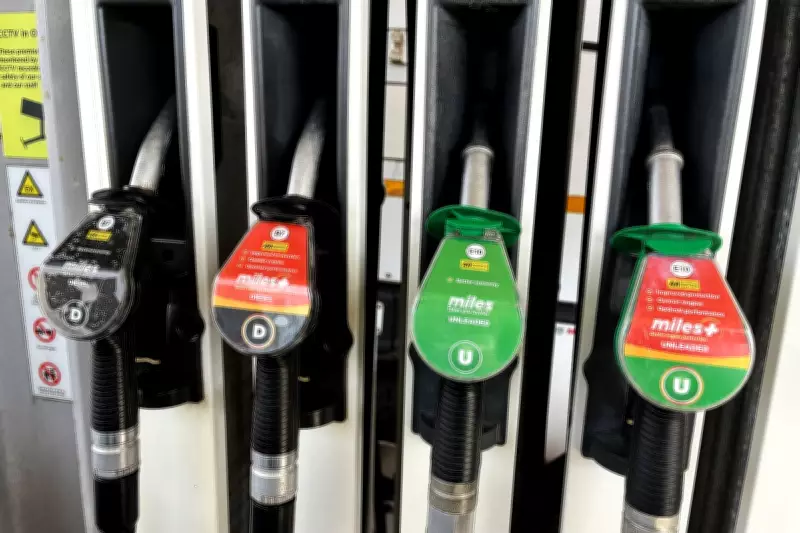
Fuel prices across the United Kingdom have experienced a slight decline for the first time in 46 days, marking a reversal after weeks of steady increases linked to the ongoing Middle East conflict. The RAC motoring organisation has expressed that drivers will likely feel relieved by this development, as the relentless upward trend in costs at the pump has finally been interrupted.
Recent Price Changes at Forecourts
According to the latest data, the average price of a litre of petrol at UK forecourts stood at 158.1p on Thursday, down marginally from 158.3p recorded just a day earlier. Similarly, diesel prices saw a reduction, dropping from 191.5p to 191.2p over the same period. This minor decrease follows an uninterrupted streak of 46 consecutive days where fuel prices had been climbing, driven by disruptions in global oil supplies.
Persistent High Costs Compared to Pre-Conflict Levels
Despite this recent dip, fuel prices remain substantially elevated compared to the period before the conflict escalated. A litre of petrol is currently 25p more expensive than it was on February 28, when the war began, while diesel costs an additional 49p per litre. This significant gap underscores the lasting impact of the oil crisis on consumer expenses.

Expert Analysis and Future Outlook
Simon Williams, head of policy at the RAC, commented on the situation, stating, "After 46 days of rising prices, the cost of both petrol and diesel across the country has finally begun to drop very slightly. Wholesale prices are still lower, so we're hopeful there will be further reductions amounting to several pence a litre in the coming days." He added, "After record rises, drivers will be relieved to finally see prices going the other way. While we're a long way from a return to the prices we had at the start of the conflict, there's now a glimmer of light at the end of the tunnel."
Financial Impact on Motorists
The RAC Foundation, a motoring research charity, has estimated that the increases in pump prices since the onset of the war have resulted in motorists' fuel bills being approximately £1.4 billion higher. This calculation is based on average daily pump price rises and last year's fuel consumption rates, highlighting the substantial economic burden placed on UK drivers during this period.
Root Causes of the Price Surge
The recent spike in fuel costs can be traced back to geopolitical tensions in the Middle East, specifically involving Iran. In response to strikes by America and Israel, Iran closed the Strait of Hormuz, a critical maritime chokepoint through which about one-fifth of the world's oil normally flows. This closure has caused a sharp increase in the cost of oil, which is a primary factor influencing fuel prices globally, including in the UK.
As the situation continues to evolve, market analysts and consumers alike will be closely monitoring wholesale oil prices and geopolitical developments to gauge whether this initial decrease in fuel costs will lead to more significant relief in the weeks ahead.






