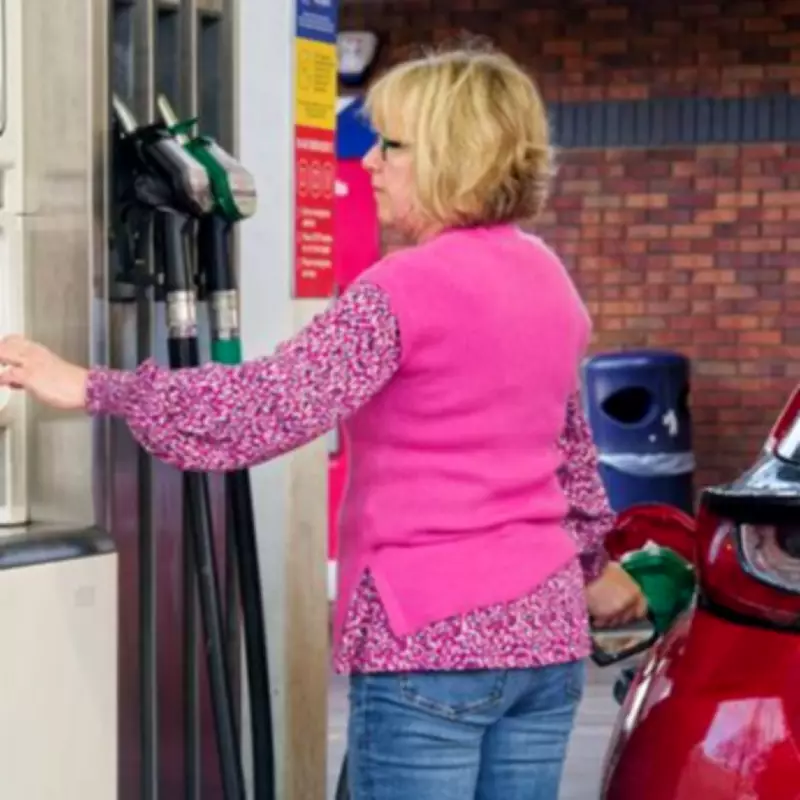
New data reveals that the relentless surge in UK fuel prices, which began with the Middle East conflict in late February, has nearly ground to a halt. According to the RAC, average pump prices increased for the 43rd consecutive day on Monday, reaching 158.3p per litre for petrol and 191.5p per litre for diesel. However, this represents an increase of less than a penny since Thursday, indicating a significant slowdown in the upward trajectory.
Impact of Middle East Conflict on Fuel Costs
Both petrol and diesel prices skyrocketed when the latest conflict erupted, primarily due to disruptions in the Strait of Hormuz, a critical global oil transit route. The stranglehold on this waterway severely impacted oil movements, driving up costs for consumers across the United Kingdom. Since February 28, these increases have amounted to hikes of 25p per litre for petrol and a staggering 49p per litre for diesel, placing considerable financial strain on drivers.
Ceasefire Brings Temporary Respite
A ceasefire between the US and Iran, implemented last week, initially led to a drop in oil prices and raised hopes that the relentless rises at UK forecourts would begin to reverse. However, this truce has proven volatile, with oil prices climbing again in recent days. The situation remains highly uncertain, particularly with US President Donald Trump threatening a blockade of the area from Monday, which could further destabilise the market.

Expert Analysis on Future Trends
Simon Williams, head of policy at the RAC, commented on the current state of affairs. "The increases have almost ground to a halt," he said. "With dated Brent crude under 100 US dollars a barrel for the last three trading days, there’s now scope to see prices finally starting to go the other way. But, as always, it’s a highly volatile situation with much depending on what happens with the Strait of Hormuz."
Williams added a note of caution, stating, "And, if the oil price was to go well over 100 US dollars again this week, any hopes of slight forecourt reductions will inevitably disappear." This warning underscores the fragile nature of the current respite, as Brent crude jumped back past 100 US dollars a barrel on Monday following President Trump's vow to blockade Iranian ports.
Outlook for UK Drivers
For now, the continuous rises in fuel prices have slowed, offering a glimmer of relief to UK drivers facing pain at the pumps. What happens next will depend heavily on how the conflict evolves in the coming days and weeks. The volatility of the ceasefire and potential geopolitical actions, such as blockades, mean that the outlook remains uncertain. Drivers are advised to stay informed as the situation develops, with any significant changes in the Middle East likely to have immediate repercussions on forecourt prices across the country.