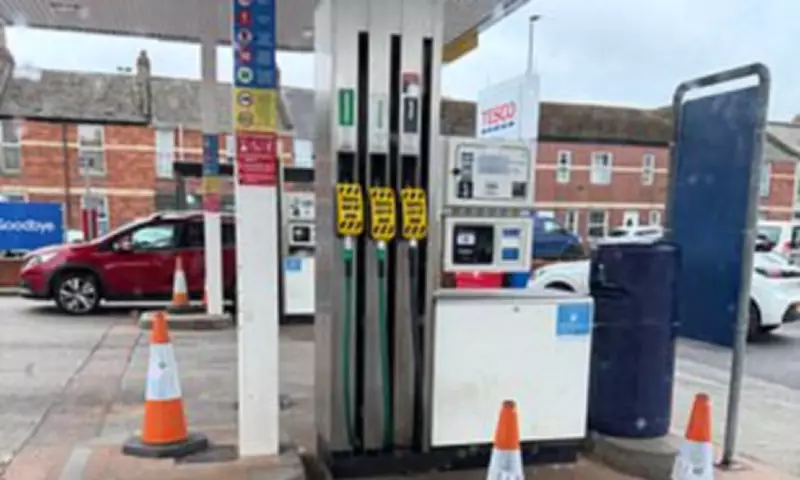
Petrol stations throughout the United Kingdom are experiencing significant shortages as supply issues triggered by the ongoing conflict in Iran intensify. Allan Leighton, the executive chairman of Asda, issued a stark warning today, highlighting that demand is dramatically outstripping supply, leading to dry pumps at numerous forecourts.
Price Surge and Supply Constraints
The temporary shortages coincide with petrol prices soaring above 150p per litre for the first time in nearly two years. Currently, the average cost stands at 149.8p for petrol and 176.7p for diesel, placing immense pressure on consumers already grappling with the cost of living crisis.
Leighton explained, 'Our fuel volumes are up quite significantly and clearly demand has been outstripping supply. Supply is tight and we are all trying hard on that.' He described the situation as 'spiky,' noting that sudden spikes in demand can result in temporary shortages, though these are typically addressed swiftly.

Root Causes in the Middle East
The fuel price escalation stems directly from the Middle Eastern conflict, where Iran's effective closure of the Strait of Hormuz has severely disrupted global oil shipments. This vital shipping lane normally facilitates the passage of 20 percent of the world's oil annually. Consequently, oil prices have surged beyond $105 per barrel, driving up costs for petrol and diesel production.
Industry Impact and Emergency Measures
Businesses reliant on heavy fuel usage are implementing drastic measures to cope with the crisis. Taxi firms, such as Apollo Taxis in Wrexham, have raised fares by ten percent, while Stanley Taxis in County Durham has increased minimum fares and added an extra 12p per mile. Haulage companies are introducing emergency fuel surcharges for the first time in their histories.
Stephen Bennett of Bennett's Haulage in Reading reported spending an additional £4,000 weekly on fuel for his fleet of 12 HGVs. 'To begin with, we have swallowed the cost,' he said, 'but as of this week we have implemented an emergency fuel surcharge of seven percent.'
Retailer Margins and Government Criticism
Petrol station owners are facing dual challenges: supply shortages and public backlash over rising prices. Goran Raven, a fourth-generation forecourt owner in Romford, accused the government of 'profiteering' from the crisis, citing that VAT revenues increase as pump prices rise. He reported a 25 percent drop in transactions and highlighted abusive behavior toward his staff, which he attributes to inflammatory comments from ministers.
'I get that people want to vent their frustration, but my team behind the counter are the wrong people to target,' Raven stated. 'The only people profiteering is the treasury. They could take the pain away but they don't want to.'
Darren Briggs, a director at Ascona Group operating 70 forecourts, echoed these sentiments, labeling government accusations of retailer profiteering as 'lazy, uneducated, and dangerous.' He called for an immediate reduction in VAT on fuel, arguing this would directly benefit consumers.
Calls for Government Action
Industry leaders are urgently demanding policy changes to alleviate the crisis. Key requests include:
- Scrapping the planned 5p increase in fuel duty scheduled for the autumn.
- Reducing the VAT rate on fuel from the current 20 percent.
- Implementing measures to stabilize supply chains affected by the Iran conflict.
Richard Smith, Managing Director of the Road Haulage Association, emphasized, 'This week was a missed opportunity from the Chancellor to cut fuel duty. A hike in fuel tax would be a hammer blow for many firms.' He called for urgent meetings with government officials to discuss these critical issues.
Broader Economic Consequences
The fuel crisis is rippling across the economy. Kate Lester of Diamond Logistics noted a 25 percent increase in fuel costs, equating to an extra £45 per van tank, alongside reduced consumer spending on non-essentials. 'This government has been hellish for business,' she remarked, urging support for commercial fuel users.

Since the outbreak of the Iran war, petrol prices have risen by approximately 17p per litre and diesel by 30p, costing UK drivers over £300 million more according to recent analyses. With the conflict showing no signs of abating, the temporary shortages and price volatility are expected to persist, heightening calls for decisive governmental intervention to protect both businesses and households from further financial strain.