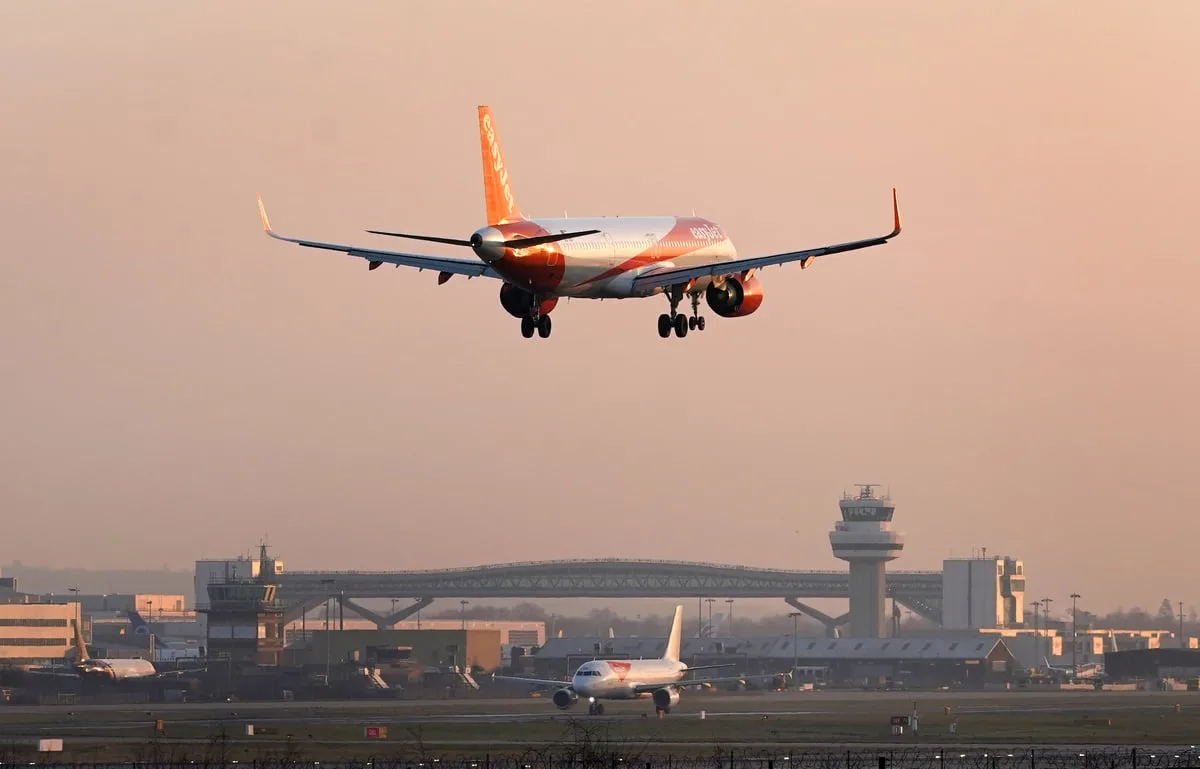
UK Flight Cancellations Surge in May as Middle East Tensions Drive Up Fuel Costs
UK Flight Cancellations Surge in May as Fuel Costs Rise

Major airlines have cancelled hundreds of flights in May as the aviation industry grapples with soaring jet fuel prices and concerns over potential shortages amid ongoing Middle East tensions. The conflict between the US and Iran, which escalated on February 28 when joint US-Israeli forces struck key Iranian sites, has driven up global fuel costs and disrupted flight schedules ahead of the summer holidays.

Rising Cancellations

Data from aviation analytics firm Cirium reveals that 296 departures from UK airports were cancelled for May as of Tuesday, May 12. This marks a significant increase from the 120 cancellations reported just six days earlier. Globally, around 13,000 flights were cancelled in May, resulting in two million fewer available seats, according to a Cirium analyst.

The outlook for the peak summer travel period appears more stable. Week-on-week schedule reductions for June show 48 fewer outbound flights, while July has seen a reduction of 31 flights. August shows a decrease of just four flights, indicating that airlines are managing the situation better for the busiest months.

Wide Pickt banner — collaborative shopping lists app for Telegram, phone mockup with grocery list

Fuel Price Impact

The cancellations are primarily driven by the high price of jet fuel rather than supply shortages, as reported by The Independent. The closure of the critical Strait of Hormuz trade route, through which 20% of global oil passes, has exacerbated the price surge. Iran retaliated against US-Israeli strikes by targeting sites across the Middle East and closing the strait, further tightening oil supplies.

Airlines' Responses

Several major airlines have taken different approaches to the fuel crisis. British Airways' parent company IAG has mentioned “pricing adjustments to reflect these higher fuel costs.” A spokesperson said: “We are not seeing jet fuel supply interruptions, but fuel prices have risen sharply and, despite our hedging strategy, which gives some shorter-term mitigation, we are not immune to the impact.”

EasyJet Holidays has assured customers that their holidays will “go ahead as planned” without additional surcharges. Chief executive Garry Wilson stated: “We know that holidaymakers may have questions about what recent global events might mean for their travel plans this summer, so we are giving our customers absolute peace of mind that no surcharges will be added to their flights or package holidays.” However, chief financial officer Kenton Jarvis previously warned that European consumers could expect higher ticket prices towards the end of summer when existing fuel hedges expire.

Jet2 has also vowed not to surcharge summer holidaymakers due to rising jet fuel costs. Chief executive Steve Heapy said: “Holidaymakers should have every right to book their hard-earned break in the sun, without worrying about being hit with additional costs, and they can have that complete assurance when they book a flight or holiday with Jet2. Customers booking with Jet2 know that they are locking in their price without additional cost surprises later.”

Ryanair’s chief executive Michael O’Leary has warned that several European airlines could face financial difficulties and potential failures if jet fuel prices remain high throughout summer. O'Leary said that Ryanair is “the best insulated, most hedged airline in Europe” and committed to not imposing price increases or fuel surcharges on customers.

Regulatory Changes

Airports are set to ease regulations, allowing airlines to cancel flights without forfeiting their allocated “slots” if fuel scarcity prevents them from operating. This move aims to provide flexibility for carriers facing operational challenges due to the fuel crisis.

Looking Ahead

While the immediate impact has been felt in May, the industry is cautiously optimistic about the summer season. However, the ongoing conflict in the Middle East and its effect on fuel prices remain key factors to watch. Airlines continue to monitor the situation and adjust schedules accordingly to minimize disruption for passengers.

Pickt after-article banner — collaborative shopping lists app with family illustration