UK Energy Minister has assured the public that there will be no blackouts or rationing despite the ongoing Iran crisis. The assurance comes as oil prices surged to $117 a barrel on Monday, driven by Iran's blockade of the Strait of Hormuz, a critical maritime route for global oil transport.
Diesel prices in the UK hit their highest level since December 2022, with the average price per litre reaching 181.2p, according to RAC analysis. Chancellor Rachel Reeves has been urged to reconsider plans to raise fuel duty by 5p per litre at the end of August, though no announcement has been made yet.
Last week, Ms Reeves stated that contingency planning was underway for 'every eventuality' after acknowledging the uncertain full impact of the war on the UK economy. Energy bills are set to fall from April under Ofgem's price cap, but may rise again before summer.
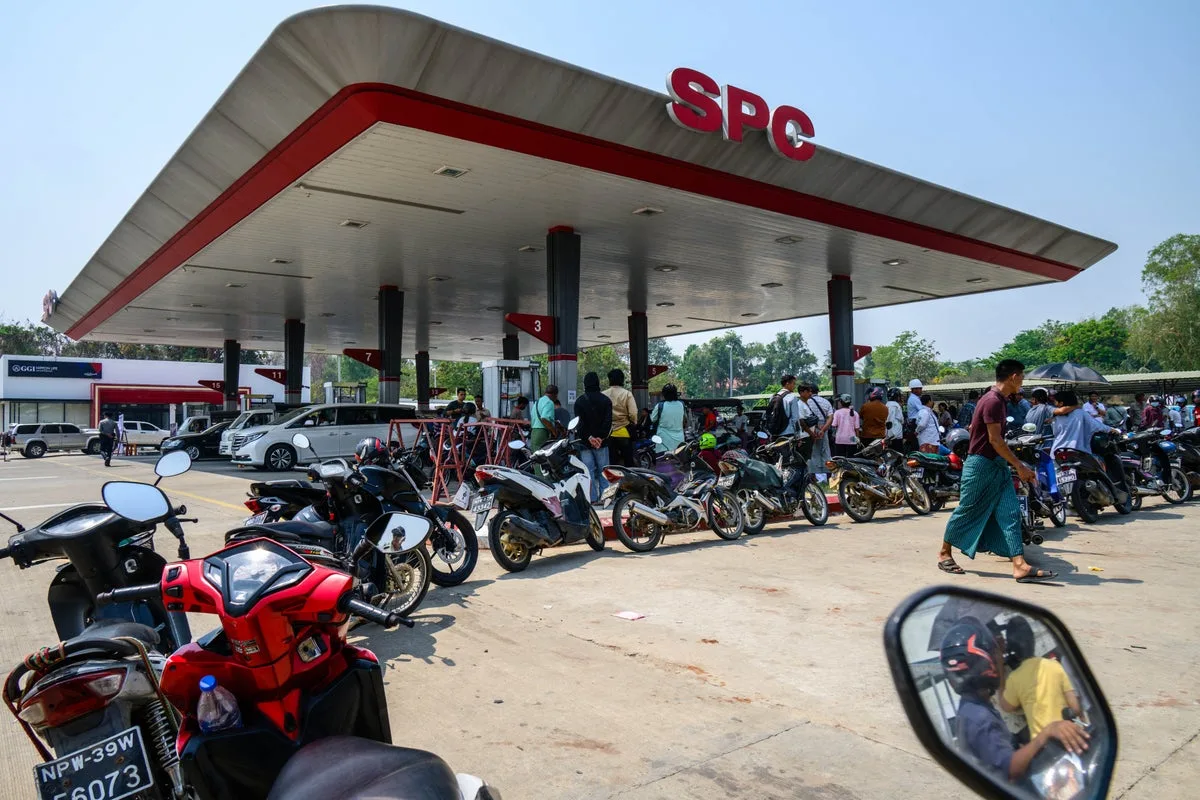
Other countries are taking more drastic measures. Egypt has ordered restaurants, shops, and cafes to close by 9pm to save energy, while Myanmar has imposed sweeping rationing for private vehicles and told government employees to work remotely one day a week. Pakistan and the Philippines have moved to a four-day working week for government workers, and Thailand has banned study tours and team-building activities for public servants.