Government Grants £100 Million to Revive Mothballed CO2 Plant as Iran Conflict Threatens Supplies
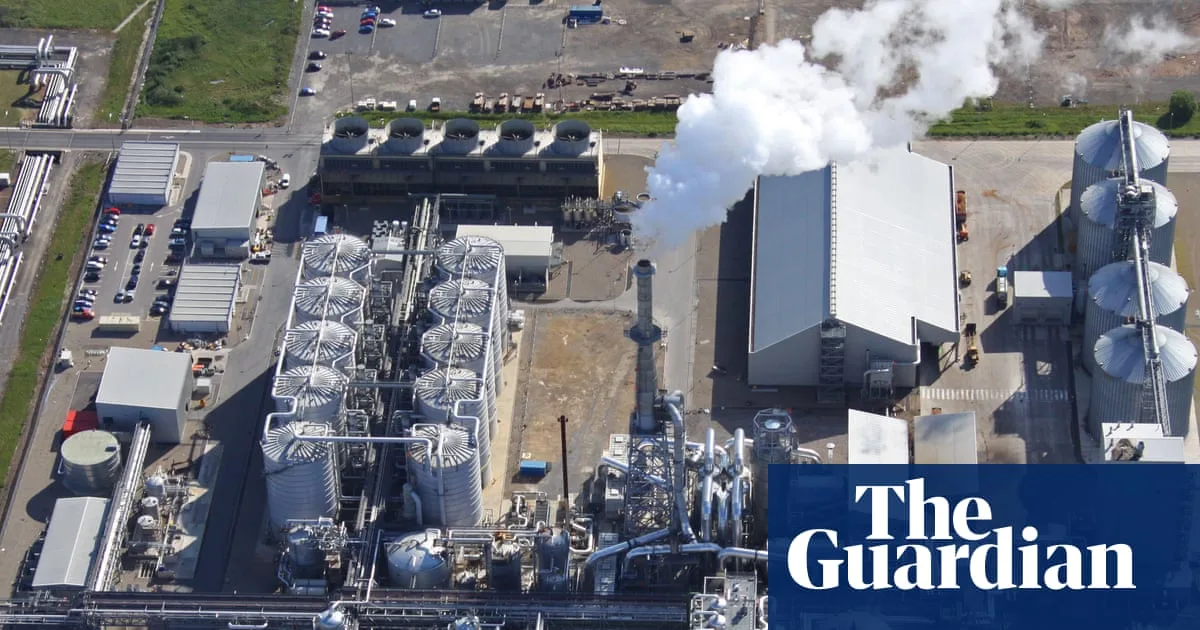
In a significant move to address potential shortages, the UK Government has approved a grant of up to £100 million to reopen a mothballed carbon dioxide plant on Teesside. Business and Trade Secretary Peter Kyle signed off on the funding for the Ensus facility, responding to fears that the ongoing war with Iran could severely disrupt CO2 supplies critical to various sectors.
Plant Revival and Strategic Importance
The Ensus plant was closed last year following a trade agreement with the United States that reduced tariffs on bioethanol, its primary product. However, its ability to produce CO2 as a by-product has now made it a key asset. Carbon dioxide is essential for industries such as beverages and nuclear energy, but supplies have been strained due to soaring energy costs affecting other sources like fertiliser factories.
According to reports, the government grant will cover the costs of restarting operations for an initial three-month period. This intervention marks the first major step by UK authorities to mitigate shortages linked to the Iran conflict, highlighting the plant's strategic role in maintaining industrial stability.
Broader Energy Concerns and Government Response
Fears extend beyond CO2, with former BP executive Nick Butler warning on Times Radio that the UK could face oil and gas shortages within two to three weeks. He urged the government to plan seriously for supply maximisation. Similarly, Shell chief executive Wael Sawan issued cautionary statements at a recent industry conference.
Despite these concerns, ministers maintain that petrol supplies remain reliable. Energy minister Michael Shanks assured MPs that the government is "absolutely not" planning for blackouts or petrol rationing, emphasising the UK's "strong and diverse range of supplies."
Diplomatic Efforts and Regional Tensions
The duration of Iran's effective blockade of the Strait of Hormuz remains a critical issue. Foreign Secretary Yvette Cooper is set to urge Iran to reopen the strait during the G7 Foreign Ministers' meeting in France. She will outline UK efforts to ensure safe passage for ships and provide an additional £2 million in humanitarian aid to Lebanon.
Cooper is expected to engage with counterparts, including US Secretary of State Marco Rubio, France's Jean-Noel Barrot, and Germany's Johann Wadephul. Meanwhile, the strait remained closed despite Iran's foreign minister Abbas Araghchi claiming it was open to "non-hostile" shipping.
Escalating Conflict and Diplomatic Standoff
The conflict intensified as Washington threatened to hit Iran "harder" if Tehran refused to acknowledge military defeat. White House spokeswoman Karoline Leavitt stated that "productive" talks were ongoing, but Araghchi contradicted this, asserting via Telegram that no negotiations with the US had taken place and suggesting American defeat.
He questioned the shift in US rhetoric from "unconditional surrender" to calls for negotiations, interpreting it as an admission of defeat. This diplomatic standoff underscores the volatile situation impacting global supply chains and prompting proactive measures like the CO2 plant revival.