The ongoing conflict involving Iran has starkly highlighted the vulnerabilities in Britain's energy strategy, exposing the consequences of successive governments prioritising short-term, vote-winning policies over long-term security. This approach has left the nation increasingly susceptible to strategic coercion, particularly in the energy sector, as global tensions escalate.
The Untapped Potential of Tidal Stream Energy
British companies are at the forefront of a technologically proven and job-creating industry that could significantly bolster the UK's energy resilience: tidal stream energy. With approximately 50% of Europe's tidal resources located within British territorial waters, this renewable source offers a predictable, inexhaustible supply that operates independently of volatile global energy prices and weather variability.
Government data reveals a stark disparity in support, with tidal stream energy receiving well under 1% of the funding allocated to offshore wind. Operational projects in Scotland have already generated over 70 GWh of electricity, while costs are decreasing by around 17% annually. The primary barrier is not technical feasibility but political short-termism. With stronger backing, tidal stream could achieve cost parity with wind energy within five years, providing a reliable and secure energy source that avoids grid payments for unused power.

International Cooperation on Fossil Fuel Transition
In response to the energy crisis, international efforts are underway to transition away from fossil fuels. Colombia and the Netherlands will host the first conference on Transitioning Away from Fossil Fuels (TAFF) at the end of April, aiming to foster cooperation among nations recognising the need to overcome dependence on coal, oil, and gas. Additionally, the Brazil COP presidency has invited proposals for a just, orderly, and equitable transition.
It is imperative that the UK leverages its diplomatic and financial influence to support these initiatives. Building a robust alliance behind TAFF could serve as a strategic response to the instability in the Gulf region, promoting a greener and fairer global energy landscape.
Rooftop Solar as a Solution to Rural Concerns
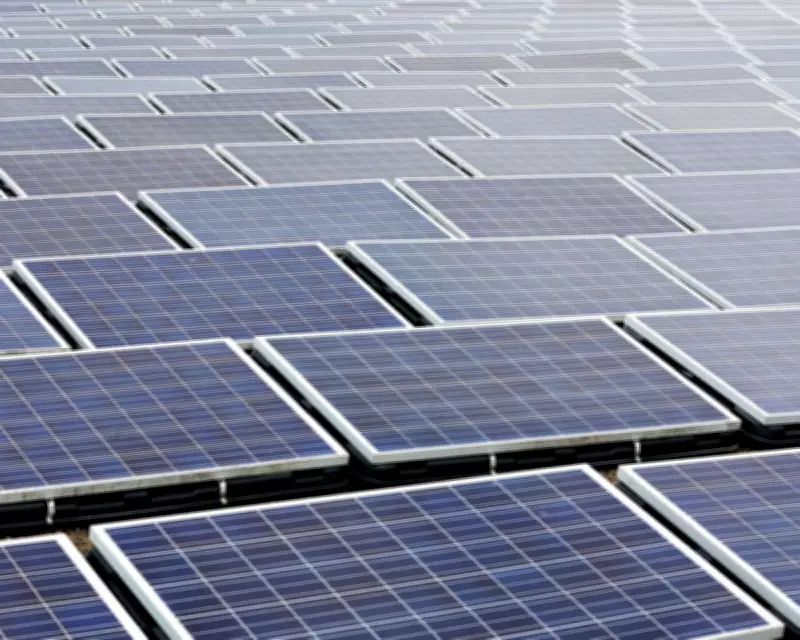
Amid growing public outrage over solar farms encroaching on the British countryside, a viable alternative exists: widespread adoption of rooftop solar panels on residential properties. This approach could expand renewable energy capacity without compromising valuable farmland or natural landscapes.
Energy companies could be mandated to encourage customers to install solar panels, potentially coupled with battery storage systems. An innovative strategy involves over-provisioning battery capacity; for instance, installing a 12kW battery when a household orders a 6kW unit. The excess capacity could be utilised by energy firms to store surplus electricity during low-demand periods and supply it back to the grid during peak usage.
Over time, this distributed storage network would enhance grid resilience, enabling renewables to meet a substantial portion of the UK's energy needs. By prioritising such solutions, Britain can address its energy crisis while preserving its rural heritage and advancing towards a sustainable future.