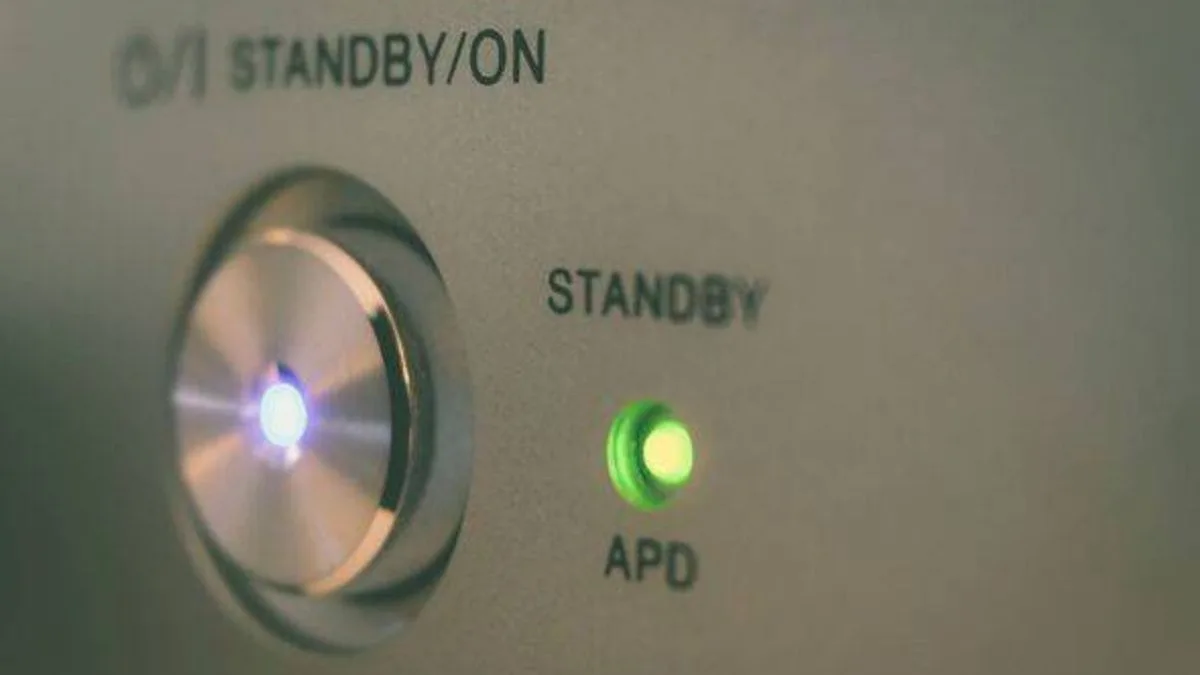
Three Household Devices That Secretly Drain Energy on Standby
Three Devices That Drain Energy on Standby

As energy costs continue to place a significant burden on household budgets across the United Kingdom, homeowners are increasingly searching for practical methods to reduce their monthly expenditure. Many individuals remain unaware that certain everyday devices can substantially contribute to higher electricity bills, even when they appear to be switched off.

The Hidden Cost of Standby Mode

According to specialists from the Energy Advice Helpline, appliances left in standby mode "quietly drain energy and increase your electricity bills". While this low-power state consumes less electricity than full operation, numerous gadgets persistently draw power, leading to unnecessary waste and inflated costs over time.

The Express reports that this silent energy consumption can have a considerable cumulative effect. Energy experts emphasise that by properly switching off devices when not in active use, households can achieve meaningful savings and simultaneously reduce their environmental impact.

Three Principal Culprits in Your Home

There are three main offenders that homeowners should monitor closely. Specialists advise that you should never leave these devices on standby if you wish to optimise energy efficiency and lower your bills.

  1. Satellite Boxes

Many people underestimate how much these common household devices can impact their energy statements. Satellite boxes frequently feature a standby function for convenience, allowing users to reactivate them quickly. However, maintaining them in this low-power mode results in continuous, unnecessary energy use. Experts describe these boxes as "sneaky energy drainers" that can be easily addressed by turning them off completely when not required.

  1. Desktop Computers

The shift towards remote working has transformed many homes into makeshift offices, often equipped with desktop computers. While leaving these machines on standby might offer convenience for rapid logins, this practice silently inflates energy expenditure. A desktop computer left idling can typically add between £10 and £15 to annual electricity costs, representing a significant avoidable expense.

  1. Gaming Consoles

Despite many modern models boasting advanced energy-saving features, gaming consoles can still contribute to higher bills if not managed wisely. Most consoles include an on/off button that activates a low-power standby mode, but users frequently forget to switch them off entirely or disconnect them from the television. Specialists estimate that gaming consoles account for approximately six percent of a typical household's energy consumption. While this percentage may appear modest, consistently turning off your console when not in use can yield substantial long-term savings.

The Energy Saving Trust further recommends keeping consoles updated to enhance their energy efficiency, ensuring they operate as economically as possible.

Practical Steps for Households

By adopting simple behavioural changes, such as fully powering down these three devices, homeowners can make a tangible difference to their energy bills. This approach not only reduces financial strain but also supports broader environmental goals by lowering household carbon footprints.

As energy prices remain elevated, awareness and proactive management of standby power consumption become increasingly vital for cost-conscious consumers across the nation.