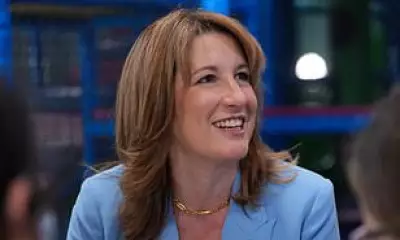
Clare Johnson, a licensed taxi driver from Swansea, is grappling with a severe financial strain as fuel price hikes are costing her an additional £50 every week. The surge in fuel costs, driven by the ongoing war in Iran, has created widespread misery for millions of UK drivers, but for those like Clare who rely on their vehicles for work, the impact is particularly acute.
Regulatory Constraints on Fare Increases
Unlike private hire vehicles such as Uber, which can adjust prices based on demand, traditional taxi drivers like Clare operate under strict council regulations. She cannot raise her fares without formal agreement from her local council, forcing her to absorb the increased fuel expenses out of her own pocket.
Clare explained the predicament: "We can't put up our prices to be able to get some of that money back because our tariffs are set by the council. We cannot charge more than what the council allows us to charge without having a consultation to increase it - and that takes months. It's not something that's likely to be implemented soon. In the meantime, we've just got to suck up the increase."

Broader Struggles for Drivers and Families
She emphasized that this issue extends beyond taxi drivers, affecting many families with young children and mortgages. "Everyone's struggling - we’re talking about people who've got families with young children and mortgages. It’s not just taxi drivers but just people in general," Clare added, highlighting the widespread economic pressure.
Fuel Price Surge and Market Volatility
Recent data from the RAC shows that average pump prices in the UK have risen sharply, with diesel reaching 191.5p per litre and petrol at 158.3p per litre. This represents a 35% increase for diesel and a 19% increase for petrol since the war began on February 28.
The fuel price rise is linked to a spike in oil costs due to the closure of the Strait of Hormuz, a critical passage for about 20% of the world's oil. Although Brent crude prices fell briefly last week, they jumped back above $100 a barrel on Monday after Middle East peace talks collapsed and former US President Donald Trump threatened to blockade the strait.
Clare noted the lag in price adjustments: "When this war broke out, the increase in fuel was immediate, now the price of crude oil dropped quite a bit... but we don't see an immediate impact of that reduction on the petrol pump."
Vital Role of Taxis for Vulnerable Passengers
She also pointed out the essential service taxis provide, particularly for passengers with mobility issues. "The majority of the people that have to use taxis have mobility issues, so they do depend on us," Clare stated, underscoring the community reliance on these services.
Industry Advocacy and Government Meetings
The Licensed Private Hire Car Association (LPHCA) is scheduled to meet with the Department for Transport (DfT) this Wednesday to discuss potential support for taxi drivers. This follows initiatives like Basildon Council's plan to introduce Taxi Fuel Support Grants in response to rising pump prices.
In a letter to Lilian Greenwood, Parliamentary Under Secretary of State at the DfT, LPHCA chairman Steve Wright MBE outlined key concerns. He wrote: "As an organisation, we recognise the likelihood of fuel rationing and to this end we ask the government to consider the vital role the trade plays in keeping the country moving."
He further highlighted the regulatory disparity: "Secondly, for those of our members who are running Hackney fleets, they do not have, unlike private hire, the ability to temporarily cover excessively increased fuel costs as generally tariffs are set by lengthy local authority protocols. We therefore hope that any emergency powers include appropriate rationing for both trades and the ability to make small temporary surcharges above any metered or contracted rates."
The Mirror has contacted the DfT for comment, but no official response has been provided yet. As the situation unfolds, taxi drivers like Clare Johnson continue to face mounting costs without the flexibility to adjust fares, putting their livelihoods at risk in an already challenging economic climate.