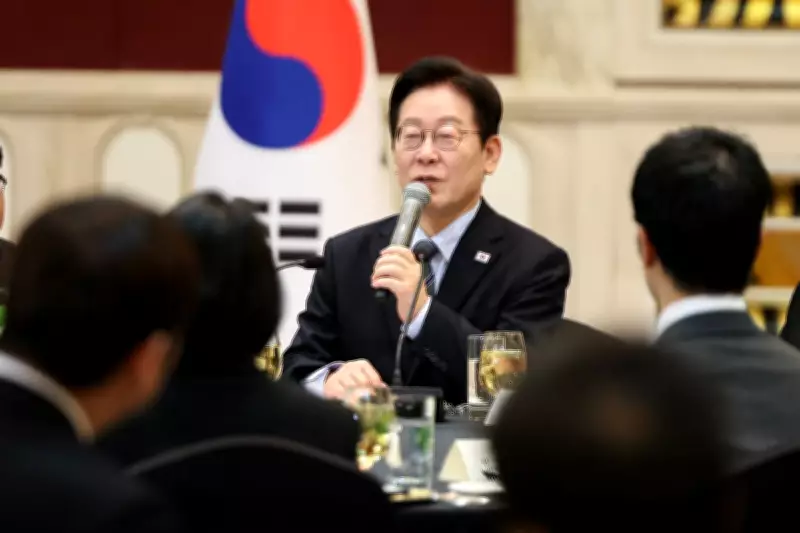
South Korean President Warns Global Energy Crisis from Iran War is Severe
South Korean President Lee Jae Myung has issued a stark warning about a severe global energy crisis, attributing it directly to the ongoing US-Israeli military actions against Iran. He described the situation as "worse than you think," emphasizing the widespread chaos caused by energy disruptions and South Korea's heavy reliance on imported fossil fuels.
Strait of Hormuz Closure Drives Supply Disruptions
The crisis is primarily fueled by Iran's closure of the Strait of Hormuz, a critical maritime chokepoint that has significantly disrupted global oil and liquefied natural gas (LNG) supplies. This disruption has hit energy-dependent Asian economies particularly hard, with nations like South Korea, Japan, and India facing severe shortages and price spikes.
Temporary Reversal in Climate Policies
In response to the immediate energy shortfalls, countries including South Korea, Japan, and India have temporarily reversed some climate policies by increasing their reliance on coal-fired power to meet urgent energy demands. This shift highlights the vulnerability of global energy systems to geopolitical conflicts and the challenges in maintaining long-term environmental goals during crises.

Accelerated Clean Energy Initiatives
Despite the short-term return to coal, these nations are simultaneously accelerating their clean energy initiatives to reduce dependence on volatile Middle Eastern energy sources. South Korea is pushing for faster adoption of electric vehicles, while Japan is exploring expanded nuclear power options. President Lee stressed the need to ditch what he called "extremely risky" fossil fuels, advocating for a rapid transition to renewable energy to enhance global energy security and stability.
Broader Implications for Global Markets
The energy crisis has exposed the fragility of international supply chains and underscored the urgent need for diversified energy strategies. As Asian economies grapple with the fallout, the situation serves as a critical reminder of the interconnectedness of geopolitical events and energy markets, prompting calls for more resilient and sustainable energy frameworks worldwide.