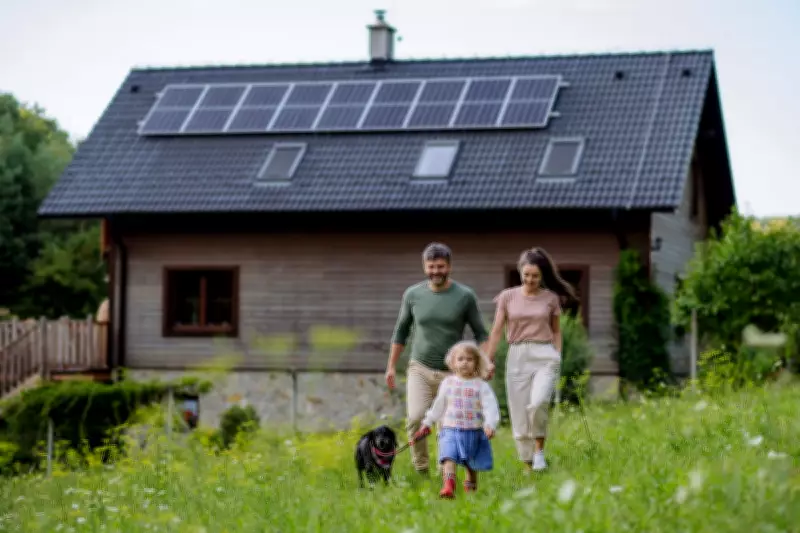
The Solar Installation Journey: From Quote to Switch-On Explained
For many homeowners, the process of installing solar panels can seem mysterious, but it is more structured than often perceived. This guide breaks down each stage, from initial consultation to aftercare, based on insights from industry leaders.
Initial Consultation: Setting the Foundation
The journey begins with a consultation, typically lasting 10 to 30 minutes, conducted online or over the phone. Ed Janvrin, director of franchise at OVO, emphasizes that this step involves discussing energy needs and bills to avoid jumping to a fixed price prematurely. Installers assess basics like electricity usage, interest in battery storage, and whether solar is viable, providing a rough cost estimate early on.
Remote Surveys: The First Assessment
Surprisingly, the first survey often does not require a site visit. Companies like OVO and Sunsave use remote assessments with satellite imagery, software, and customer photos to analyze roof space, meter locations, and scaffolding needs. Alfie Ireland, head of operations at Sunsave, notes this helps determine suitability, panel count, and installation complexity, examining factors such as roof orientation and shading.

Formal Quote: Tailoring the Proposal
After gathering property information, installers provide a tailored quote detailing system size, panel numbers, battery recommendations, and savings estimates. Janvrin advises customers to review quotes without pressure, as good installers welcome scrutiny. This stage solidifies the plan, with some companies explaining designs over calls to ensure clarity.
Technical Survey: On-Site Verification
If proceeding, a technical survey confirms details that remote assessments cannot. This may involve in-person checks or additional photos of areas like lofts and meter locations. Janvrin mentions OVO conducts one-hour surveys to check safety and sun exposure, while Ireland highlights the need for grid permissions via G99 applications for systems over 3.68kW, addressing roof condition and wiring routes.
Paperwork and Permissions: Behind the Scenes
Homeowners often have minimal involvement in this phase, but it significantly impacts timelines. Installers handle paperwork, scheduling, and grid applications, which Janvrin says can take two to four weeks at OVO. Proper completion ensures readiness for export payments and Smart Export Guarantee registration post-installation.
Installation Day: Quicker Than Expected
The physical installation is usually swift, taking one to five days depending on factors like scaffolding and roof complexity. Work involves mounting brackets, securing panels, and connecting systems, with possible power outages of one to two hours. Despite noise and minor disruption, it is less invasive than many fear.
Commissioning: Bringing the System to Life
This stage transforms components into a working energy system. Installers test and connect to the grid, helping homeowners set up monitoring apps for real-time generation data. Ireland and Janvrin stress the importance of thorough testing and customer guidance during handover.
Post-Installation: Immediate Steps
After installation, scaffolding may remain for one to two weeks for potential adjustments. Customers receive handover packs, including MCS certificates for Smart Export Guarantee registration, ensuring a fully functional system with performance visibility.
Aftercare: Long-Term Support
Aftercare is crucial, with many installers offering two to five years of workmanship cover. Ireland notes that support helps homeowners address performance drops or faults, distinguishing between reliable systems and those requiring warranty claims.
Timeline Overview
The entire process typically spans four to eight weeks, varying with property complexity and installer schedules. Clarity from installers on stages and delays is key to a smooth experience.