Seven Llamas Culled in TB Outbreak, 27 in Isolation at Gloucestershire Farm
Seven Llamas Culled in TB Outbreak, 27 Isolated

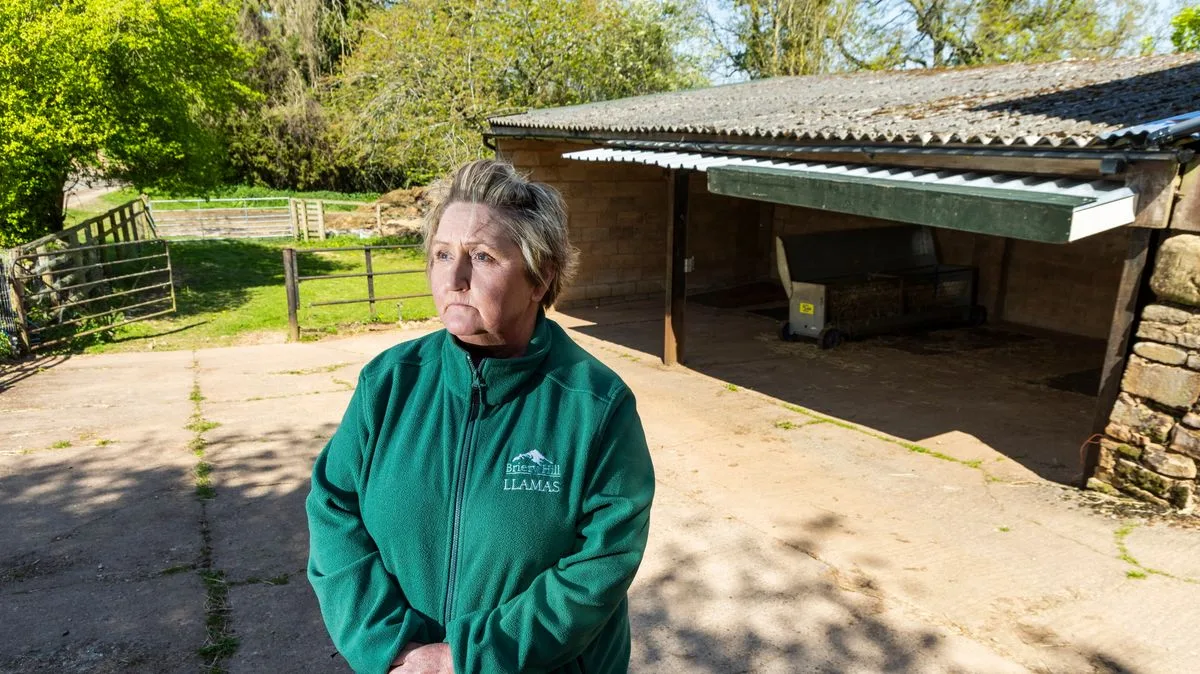
Seven llamas have been culled at a British farm following an outbreak of tuberculosis (TB), with an additional 27 animals placed in isolation amid fears they could also carry the disease. Lisa Fox, the owner of Briery Hill Llamas in Gloucestershire, has been left heartbroken after her animals were killed under instructions from the Animal and Plant Health Agency (APHA).

The Outbreak

The ordeal began when a llama named Stardust fell ill and died. A post-mortem examination revealed that he had been suffering from TB. This prompted urgent testing across the trekking and therapy farm, which uncovered that seven more animals were infected. These animals were subsequently euthanised. A further 27 llamas remain in isolation awaiting testing to determine whether they have the disease. If tests come back positive, they will likely also be culled.

Understanding TB

TB is a chronic and infectious respiratory disease affecting mammals, caused by a group of bacteria called Mycobacterium tuberculosis. The outbreak at Ms Fox's farm comes five years after an alpaca named Geronimo was culled following a lengthy legal battle that gripped the nation. Known as the doomed alpaca, Geronimo was killed on the orders of the Department for Environment, Food & Rural Affairs (DEFRA) on August 31, 2021, despite desperate attempts from his owner to save him. The animal had returned two positive tests for TB, but its owner insisted those results were false positives. She mounted several High Court challenges to save Geronimo, but he was eventually euthanised by DEFRA staff.

Wide Pickt banner — collaborative shopping lists app for Telegram, phone mockup with grocery list

Impact on the Farm

Speaking this week, Ms Fox said the devastating outbreak at her Forest of Dean-based farm has left her unable to open for business. She stated: As a family we are devastated after losing eight llamas to TB. We have been offered no help by the government bodies and we are now closed down for practically the whole of 2026. Stardust was the first llama that became ill on the farm. He passed away and the post-mortem showed it got TB. We then had a first set of testing that showed that seven of our llamas were positive with TB. It meant that all of those llamas had to be isolated and had to be put down. The reason why I did it was for the rest of the herd because I love our animals so much I don't look at them as property. We just lost sleep over it. The effect on your mental health there's no words. It is like living in a nightmare and you just hope you are going to wake up but the problem is that it's real. Not being able to do what you love doing is shattering. There needs to be more government support, now we are just left in the cold.

Most of Ms Fox's income was generated through trekking and therapy work with llamas at the family-owned farm, where pigs and cows have also now been tested for TB. Ms Fox is not able to offer such experiences until those rounds of TB testing are complete, which may not be until the end of the year. Although compensation is available for culled animals, Ms Fox says it does not cover veterinary bills or the wider financial losses. The vet bill for Stardust totalled nearly £15,000, she added. The APHA sets a standard payment for animals culled due to TB, Ms Fox explained. But this amount does not even clear the vet fees resulting from Stardust's illness. It also does not account for the time, breeding, expertise, and care invested in working with Stardust and all the other beautiful llamas we have lost.

Financial Struggles

The farm owner said she has had to resort to borrowing money from relatives to order electric fencing in a bid to reduce the risk of the disease spreading further. You lose sleep because you think how are we are going to live? she added. Now we have 27 llamas left but we are not allowed to work with those llamas from a point of view of bringing people in. If the public comes to the farm they have to be three metres away from the llamas well but that's our business gone. The main part of the business is llama trekking, llama afternoon tea. I have a certification as an animal assistant intervention specialist. They are such gentle animals and they have now taken away all of our income.

Pickt after-article banner — collaborative shopping lists app with family illustration

Testing and Waiting

Ms Fox will now have to wait until July 10 for a skin test on the llamas currently being held in isolation, before they undergo a blood test 10 days later. Yet she said tests can take up to 30 days to arrive, and even if they return negative results, a further 90-day waiting period will begin before tests can be re-done. If tests return positive, the llamas will be euthanised. Ms Fox said: Until you have two rounds of clearance that's by the end of 2026. They need to change the way they test, so rather than 90 days they need to bring it forward to 60 days because it is not helpful. Stardust, The Pocket Rocket, Merlin, Rossi, Dylan, Troy, Querrida, and Baloo brought joy to many people and gave our family so much happiness. During the COVID-19 pandemic, the government provided grants to businesses. We are expected to continue with no income and with no financial support from the authorities, despite our grief.

Government Response

Defra said the rapid removal of any animal that is infected with, or suspected to be infected with, TB is vital in order to quickly contain the disease and to protect other animals and protect other livestock nearby. A spokesperson for Defra said: We appreciate the difficulty of these situations, and our sympathies remain with all those with animals affected by bovine tuberculosis. This is a serious disease that causes devastation for farmers and rural communities and is why we must have measures in place to reduce the risk of the disease spreading. The government pays compensation for any animal compulsorily removed for TB control purposes.