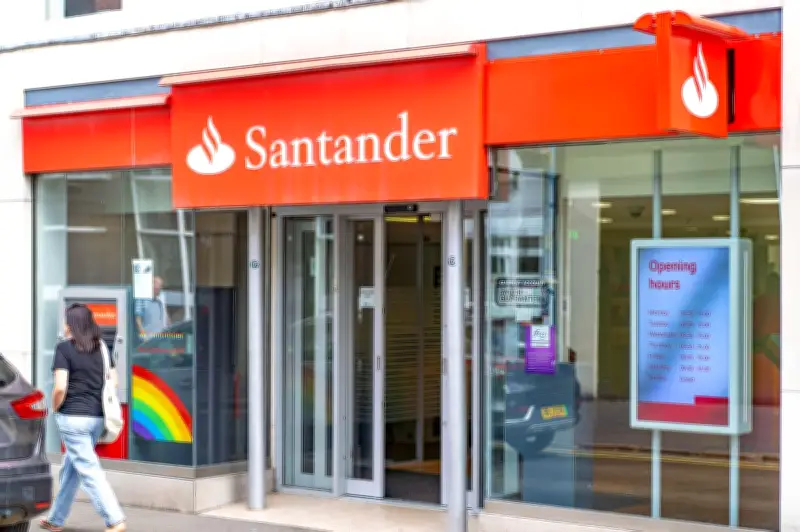
Banco Santander, the Spanish owner of Santander UK, has announced plans to cut costs by more than 500 million euros (£433 million) by accelerating the use of artificial intelligence (AI) across its global operations. The bank is targeting over one billion euros (£860 billion) in extra revenues and cost savings from AI between 2026 and 2028, with more than half expected from cost reductions.
AI Strategy and Implementation
The savings are projected to come from automation, productivity gains, and process simplification. Santander expects to deliver over 200 million euros (£173.4 million) in “business value” from AI by the end of 2026 alone, including from its British banking arm Santander UK. The bank reported 35 million euros (£30.3 million) in benefits in the first quarter of this year, with expectations of growth in the second quarter.
Ricardo Martin Manjon, Banco Santander’s chief data and AI officer, stated: “Santander is moving from AI ambition to execution. One year after setting out our ambition to become a data and AI-first bank, artificial intelligence is already helping us improve how we work, serve customers, manage risk and run the bank.”
Workforce and AI Access
The lending giant has not disclosed how many jobs will be impacted, and it has not announced a programme to cut its workforce linked to the AI rollout. However, Santander is rolling out AI access to all of its 185,000 staff worldwide, including around 15,000 in the UK. Currently, nearly 40,000 staff are actively using AI.
Industry Context
Banks worldwide are increasingly adopting AI to reduce costs. Standard Chartered’s CEO recently sparked controversy by suggesting AI would replace “lower-value human capital” as the bank cut around 7,800 jobs, though he later backtracked. Lloyds Banking Group reported a £50 million profit boost from AI in 2025 through revenue gains and cost savings.
Mr Martin Manjon emphasised that AI is “not only about efficiency” but also opens new growth opportunities. In the UK, Santander is deploying AI in voice channels to handle customer card-related queries, aiming for 240,000 calls (40% of annual calls) to be resolved through self-service. This is expected to save customers 26,000 hours and free up 45,000 hours for service teams to focus on complex needs.