Cleveland's Subterranean Salt Mine Works Overtime to Combat Harsh Winter
Deep beneath the bustling city of Cleveland, Ohio, a vast subterranean operation is working tirelessly to keep winter roads safe across the Northeastern United States and the Great Lakes region. The Whiskey Island salt mine, owned by the global food giant Cargill, has been operating at an accelerated pace since September to meet the extraordinary demands of a particularly harsh and snowy winter season.
Unprecedented Demand for Road Salt
Many municipalities have already exhausted their typical winter salt reserves, which are usually sufficient well into the spring months. Cargill spokesperson Emily Tangeman confirmed the intense activity, stating, "Our teams have been working overtime since September to support customers across the snowbelt." She added that the early onset and persistence of winter weather have significantly boosted demand across the entire road salt industry.
Located an astonishing 1,800 feet (549 meters) underground beneath Lake Erie, the mine is one of the largest in the world. It produces between 3 million and 4 million tons (2.7 million to 3.6 million metric tons) of salt annually. Accessed from Whiskey Island, an industrial area adjacent to downtown Cleveland, the mine originally opened in the 1960s.

A Maze of Ancient Salt Deposits
Salt extraction occurs year-round through drilling and blasting within extensive tunnels formed from an ancient inland sea that dried up millions of years ago. The salt itself was formed approximately 440 million years ago. Inside, the mine unfolds as a sprawling maze of roughly rectangular caverns, with chalky white walls and ceilings extending for miles.
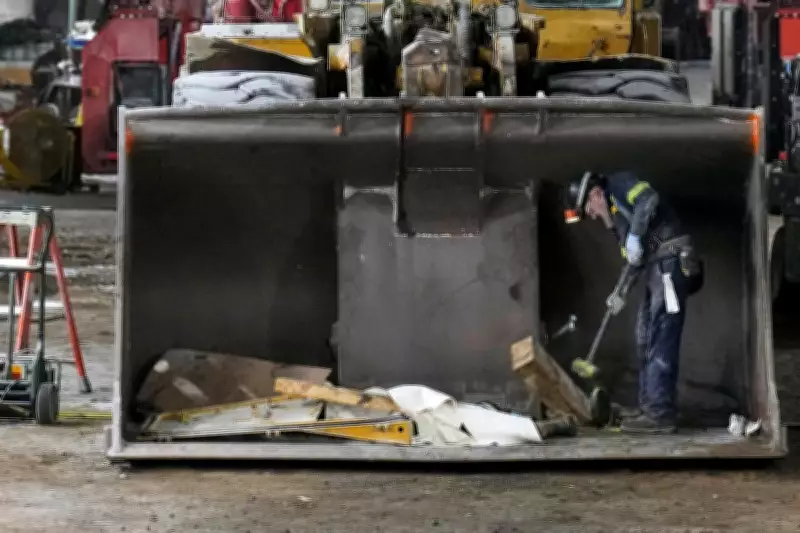
The environment is dimly lit, often pitch-black beyond the reach of headlamps and floodlights, as heavy machinery rumbles and small ATVs transport miners through the extensive network. Maintenance superintendent George Campbell noted that operations are continuous, with any downtime dedicated solely to essential upkeep and repairs to maintain steady production levels.
Logistical Challenges and Future Reserves
Cargill is prioritizing shipments to ensure salt reaches the areas of greatest need as winter conditions persist in some regions. Tangeman explained that frequent smaller storms also increase usage, requiring repeated salting and creating significant logistical challenges for distribution.
With harsher conditions returning across the Eastern United States, cities like Boston, Bangor in Maine, and Ithaca in New York have endured their coldest seasons in over a decade. As winter lingers in parts of the country, the Cleveland mine’s work is far from over. However, Campbell assured that there are still decades of salt reserves available. "I think that we have enough reserves to continue to keep people working for a long time," he said confidently.