Rachel Reeves to Urge G7 Nations on Accelerated Clean Energy Transition
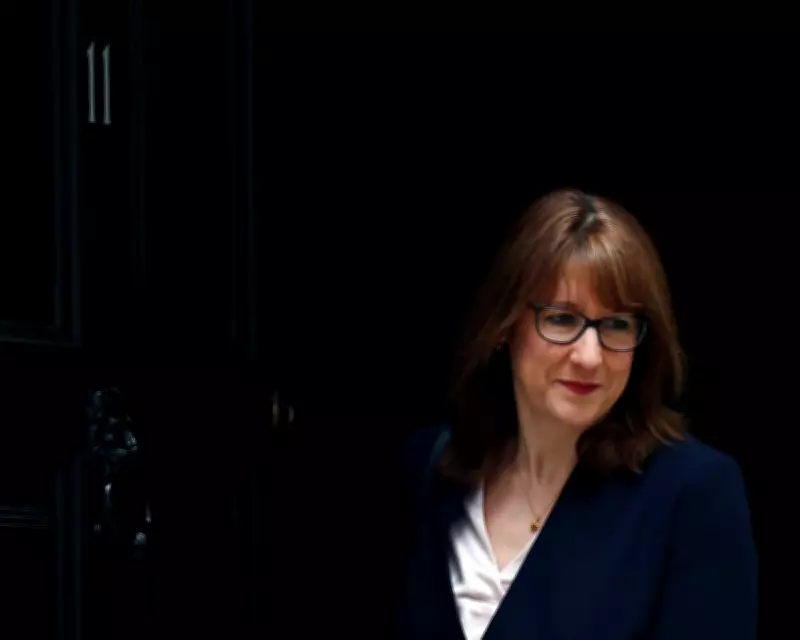
Chancellor Rachel Reeves is set to deliver a stark warning to G7 finance and energy ministers, asserting that accelerating the shift to clean energy is the most effective defence against global oil and gas price shocks. This message comes as Prime Minister Keir Starmer prepares to convene a high-level meeting with major energy industry and insurance figures to develop emergency plans in response to the ongoing blockade of the Strait of Hormuz.
Labour Government's Stance on Energy Security
In a clear rebuke to Conservative and Reform party calls to end the ban on new oil and gas licences, Reeves will emphasise that long-term energy security through renewables and nuclear power is the only sustainable solution to prevent future crises. She stated, "As we move faster on renewables and nuclear, our partners in the G7 must do the same – because staying stuck on the rollercoaster of global oil and gas prices will help nobody." Reeves highlighted that collective action across the G7 is crucial to accelerate investment and build momentum, noting that energy bills are already decreasing for families due to Labour government policies opposed by the Tories and Reform.
Rejection of North Sea Drilling Proposals
Reeves firmly rejected Conservative demands for new oil and gas licences in the North Sea, arguing that such measures would not insulate the UK from further energy shocks or reduce consumer bills. She pointed out that Conservative leader Kemi Badenoch admitted her energy plan would not lower bills, stating, "The only lasting route to lower bills is clean, homegrown power that cuts our exposure to the volatility of global gas markets." Treasury sources added that Reeves will discuss accelerating investment in renewables and nuclear, including implementing the Fingleton review to speed up new nuclear projects, while warning against easing sanctions on Russian energy or creating new trade barriers.

Starmer's Emergency Meeting on Hormuz Crisis
Prime Minister Keir Starmer will gather senior leaders from Shell, BP, Centrica, Equinor, insurance giant Lloyd's of London, shipping firms Maersk and CMA, and banks such as HSBC and Goldman Sachs at No 10. This constructive meeting aims to address the perilous situation in the Strait of Hormuz, where Iran threatens to assert sovereignty and potentially charge vessels for access. The discussions are expected to inform both short-term and long-term contingency planning to mitigate the crisis's impact on global energy supplies.
Conservative Counterarguments and Policy Proposals
In contrast, Kemi Badenoch is ramping up calls for the government to take alternative measures, including removing VAT from energy bills and increasing drilling in the North Sea. During a visit to Aberdeen and an oil rig, she will advocate for scrapping GB Energy, heat pump subsidies, and renewable obligation subsidies funded through general taxation. Badenoch claimed, "By drilling in the North Sea and scrapping Ed Miliband’s crazy green taxes, our Cheap Power Plan would reduce bills by £200 for everyone." However, she conceded on BBC's Laura Kuenssberg programme that additional drilling would not directly lower British consumers' bills, framing it as a broader issue of reducing imports from Norway.
The political divide over energy policy continues to intensify, with Labour emphasising a rapid transition to clean energy as the path to economic stability, while Conservatives push for traditional fossil fuel solutions amidst ongoing global tensions.