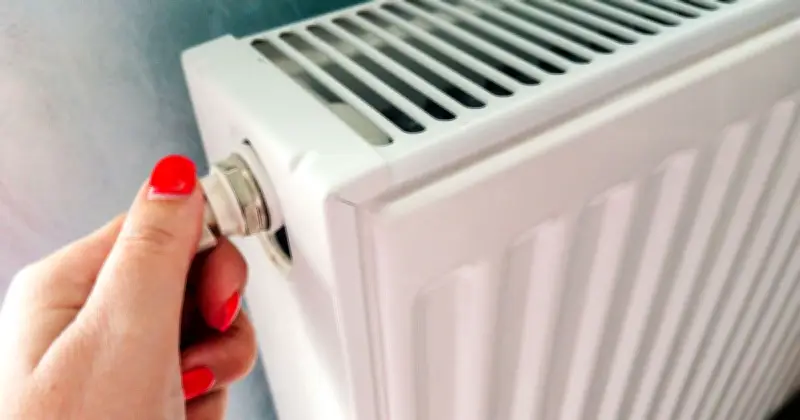
As temperatures drop following an unusually warm start to October, a plumbing expert has shared a simple radiator adjustment that could help reduce heating bills. Ryan McNicholl, plumbing expert at boiler spares supplier Spares Direct, explained how homeowners can manage room temperatures efficiently.
Thermostatic Valve Guidance
McNicholl said: "Rooms that aren't used as frequently can be kept at a lower temperature using the radiator's thermostatic valve. Turning the valve to a higher number won't make the radiator heat the room any faster."
He added: "It simply tells the valve to keep allowing heat into the room until a higher temperature is reached. Find the lowest setting that keeps each room comfortable, and avoid leaving rooms completely unheated for long periods during colder weather, as this can increase the risk of condensation and mould."
Spotting Faulty Valves
The specialist also highlighted an overlooked radiator component that could be wasting energy. McNicholl said: "Thermostatic radiator valves control how much hot water flows through individual radiators, allowing you to adjust the temperature in each room."
"If a valve becomes stuck open or stops responding properly, the radiator may continue heating even when the room has reached the temperature you've selected. This can waste energy, particularly in rooms that don't need as much heating."
Checking for Problems
On how to tell if a radiator valve isn't working properly, he added: "One warning sign is a radiator that remains hot even when you've turned the thermostatic valve down and the room is already warm. Another is a radiator that doesn't heat up when the heating is on and the valve is turned up."
McNicholl concluded: "The valve mechanism can sometimes stick, particularly after a long period without use. These symptoms don't automatically mean the valve needs replacing, as other heating problems can cause similar issues. If adjusting the setting makes no difference, have the radiator checked before spending money on replacement parts."