Small petrol stations across the United Kingdom are being compelled to close their fuel pumps as prices skyrocket to £2 per litre, with the ongoing war in Iran exacerbating global supply chain pressures. As the conflict between Tehran and the United States and Israel marks its second month, consumers and businesses are grappling with the severe impact of spiralling fuel costs.
Queues and Shortages Across Britain
Long queues have formed at petrol stations nationwide, with short-term supply issues emerging in various regions since Iran closed the Strait of Hormuz. This critical waterway typically facilitates the passage of 20 percent of the world's oil supply annually. The situation worsened on Saturday as Houthi rebels in Yemen entered the fray with a ballistic missile strike targeting Israel, raising fears that prices could surge even higher if previous attacks on Red Sea shipping resume.
Forecourt Closures and Profiteering Accusations
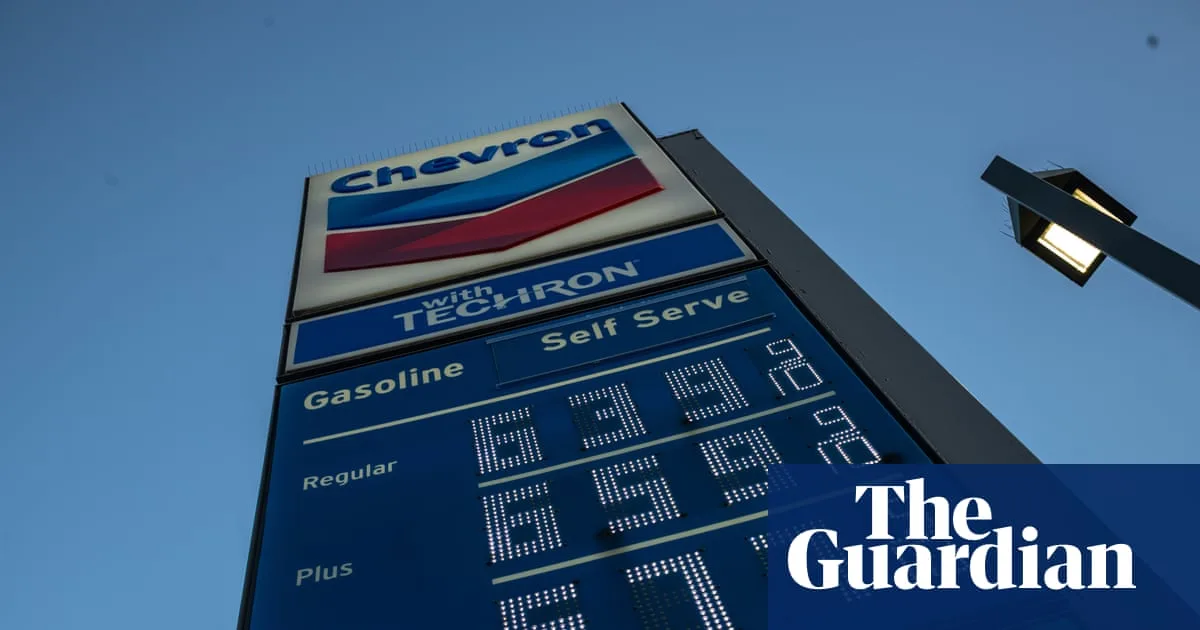
This week, numerous small petrol station owners have opted to shut down rather than impose charges of up to £2 per litre on customers. Major supermarkets have also seen pumps closed due to depleted supplies. Current average prices stand at 150.11p per litre for petrol and 177.68p for diesel. The government has faced criticism for alleging that forecourts are 'profiteering' from the crisis—a claim station owners vehemently deny, citing increased abuse towards staff as a consequence.
Mollie Ellis, who operates Youlgreave Garage in the Derbyshire Dales, exemplifies this trend. She ceased fuel sales two weeks ago after refusing to pass on exorbitant costs to customers, facing potential charges of 180p per litre for petrol and 200p for diesel. "We can't afford to take that hit. We're a one-mechanic garage," Ellis explained. "I don't want to be at a point where I'm being seen to rip customers off."
Similarly, Beth Ballard, running a forecourt at H Ballard & Son in Welshpool, halted petrol sales on March 19 when wholesale prices exceeded 150p per litre before taxes, while competitors offered rates below 140p. "We are normally praised for being the cheapest in Welshpool, so it was just a big fat no," she stated.
Independent Stations' Vulnerability
Independent fuel stations, often bound by purchase agreements based on previous weeks' or days' prices, are particularly susceptible to market volatility. This makes them more likely to transfer significant price hikes to consumers compared to larger rivals like supermarkets.
Motorist Frustration and Government Criticism
In the north of England, motorists have expressed outrage at the government over rising fuel costs. At CostCo in Gateshead, where petrol sold for 137.9p and diesel for 160.9p—the area's cheapest—queues extended beyond the forecourt as drivers rushed to fill tanks ahead of further increases.
Joanne Bolam, a 49-year-old support worker from Newcastle, asserted, "The Government should be bringing the cost down. I fill my tank up about once a month, but the price is absolutely ridiculous." David Allen, a 71-year-old retired engineer, added, "The Government need to make their mind up and do something about this."
Bev Holmes, David's wife, has decided to work from home one day weekly to save on commuting costs, noting, "More people working from home will have a knock on effect on the economy." Michael Hall, a retired electrician, emphasised, "When the price of fuel goes up, everything goes up. The Government will be making more money from the VAT."
Broader Economic and Agricultural Impacts
The crisis extends beyond fuel, with fertilizer costs climbing due to supply chain disruptions from the Iran conflict. Stocks are accumulating in the Middle East but cannot be exported efficiently via the Strait of Hormuz, which normally handles nearly a third of global fertilizer shipments. Even countries producing their own fertilizer face challenges, as natural gas—essential for production—is experiencing price hikes similar to oil.
In nations like Slovakia, India, and Algeria, fertilizer plants have reduced or halted production due to soaring natural gas prices. Experts warn that food price increases are 'inevitable' as a result, threatening global food distribution and exacerbating the cost of living crisis.
Rachael Grant, a 40-year-old florist in Gateshead, highlighted the strain on small businesses: "It's a massive expense. If there's anything at all the Government can do, it would be a big help." As the conflict persists, the dual pressures on fuel and food supplies underscore the far-reaching consequences of geopolitical instability on everyday life.