

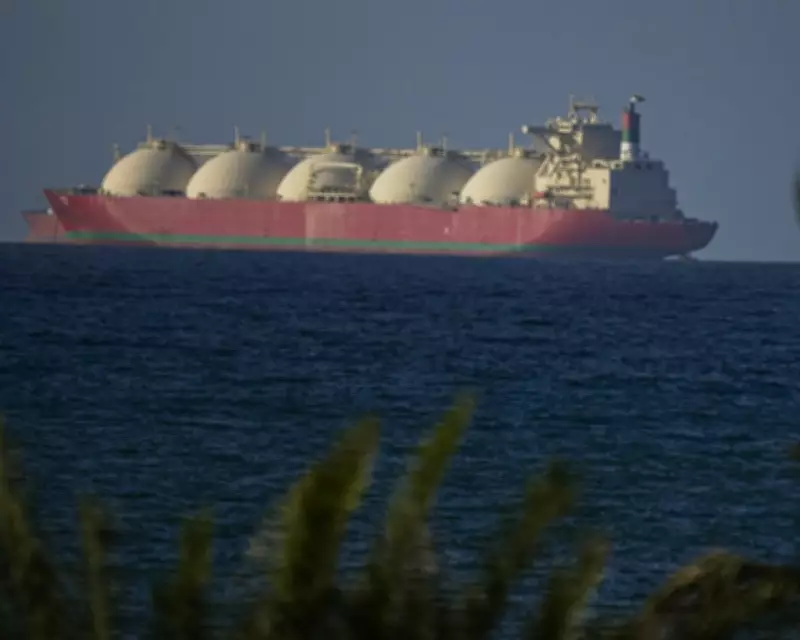
Oil Markets React to Iran's Announcement on Strait of Hormuz
In a significant development for global energy markets, the price of crude oil has tumbled by approximately 10% following an announcement from Iran that the Strait of Hormuz is now fully open for commercial vessels. This move comes in the wake of a ceasefire agreement between Israel and Lebanon, which has raised hopes for a resumption of stable energy supplies after weeks of disruption in the region.
Iranian Foreign Minister Confirms Opening
Iran's Foreign Minister, Abbas Araghchi, took to social media to declare that the strategic waterway is completely open for the duration of the ceasefire. He stated, In line with the ceasefire in Lebanon, the passage for all commercial vessels through Strait of Hormuz is declared completely open for the remaining period of ceasefire. Araghchi further emphasised that vessels must adhere to the coordinated route previously outlined by Iran's Ports and Maritime Organisation to ensure safe transit.
Market Impact and Political Reactions
The announcement has had an immediate effect on oil benchmarks, with Brent crude falling below $90 per barrel, marking a sharp decline of around 10%. Although Araghchi's social media account is not verified, the news gained additional traction when former President Donald Trump echoed the sentiment on Truth Social, posting in capital letters: IRAN HAS JUST ANNOUNCED THAT THE STRAIT OF IRAN IS FULLY OPEN AND READY FOR FULL PASSAGE. THANK YOU! This has further fueled optimism among traders and investors.

Background Negotiations and Broader Implications
Market optimism was already building prior to this announcement, following reports from Axios that the United States and Iran are engaged in negotiations over a three-page plan aimed at ending the ongoing conflict. Key elements under discussion include the potential release of $20 billion in frozen Iranian funds by the U.S., in exchange for Iran relinquishing its stockpile of enriched uranium. These diplomatic efforts, combined with the ceasefire and the reopening of the strait, suggest a potential easing of tensions that could stabilise energy markets and reduce volatility in the near term.
The Strait of Hormuz is a critical chokepoint for global oil shipments, and its closure or disruption has historically led to significant price spikes. The recent developments highlight the interconnected nature of geopolitical events and energy economics, with implications for inflation, trade, and global security. As the situation evolves, market participants will be closely monitoring compliance with the ceasefire and any further announcements from regional actors.






