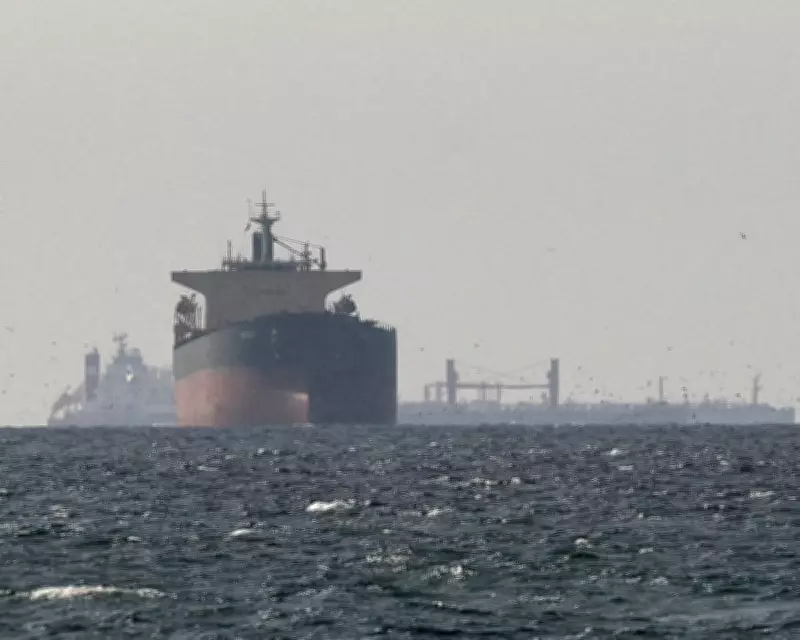
Oil Tanker Workers in Gulf Reach Breaking Point After Six Weeks Stranded
Seafarers trapped in the Gulf region are experiencing severe mental distress, with one oil tanker worker revealing that approximately 90% of the crew on board wish to exercise their right to refuse sailing through the hazardous Strait of Hormuz. After six weeks anchored off the coast of the United Arab Emirates, these individuals describe an "impossible" situation, exacerbated by recent attacks and a fragile ceasefire in the Middle East.
Unsafe Conditions and Psychological Toll
The crew member, who has been stranded for over a month, stated that hope for a swift departure has vanished. "We're at anchor, near dozens of loaded tankers. No one has moved an inch," they said, noting the visible aftermath of an Iranian missile strike on a Kuwaiti oil tanker just miles away. Despite a ceasefire agreement, intercepted missiles have continued to streak the sky, leaving many seafarers unwilling to traverse the strait due to ongoing drone attacks and reports of underwater mines.
Mental health issues are rampant, with one colleague suffering a "mental breakdown" and requiring regular checks from others. The worker emphasized that this stress-induced crisis is likely occurring on multiple vessels in the area. While seafarer support helplines offer assistance, they are insufficient to address the depth of the psychological strain.

Union Responses and Crew Replacements
Since the conflict began, the International Transport Workers' Federation (ITF) has received around 1,000 inquiries from seafarers on 300 different vessels. About 20% of these involve requests for repatriation, with others concerned about pay, fuel, food, and water access. David Appleton of Nautilus highlighted the limitations of remote support, stating, "Everyone does their best to assist, but really what you want to do is get people out of the situation."
The deteriorating mental health has sparked calls for shipowners to replace crews with willing mariners. Under maritime regulations, companies cannot force seafarers into hazardous zones but must offer double pay and promotions to attract replacements, often targeting Ukrainian seafarers displaced by conflict. "The only difference between them and us is choice," the worker noted, acknowledging that some may take the risk out of desperation.
Future Uncertainties and Personal Struggles
The seafarer hopes for a crew change in the coming weeks but faces an uncertain future. "I'm in no mental condition to perform any intense task after all of this. It is the hardest situation that I have ever been in," they admitted. Having worked on tankers their entire life, they contemplate leaving the industry to avoid returning to such perilous conditions, but a final decision will only be made after months at home.
This crisis underscores the broader impact of geopolitical tensions on maritime workers, with safety and mental well-being at the forefront of concerns in the volatile Gulf region.