Oil Prices Surge as Strait of Hormuz Tanker Disruptions Rattle Global Supply
Oil prices have jumped dramatically as tanker disruptions near the strategic Strait of Hormuz raise significant fears about supply shortages from the Persian Gulf region. The sharp increase follows a series of attacks and electronic interference affecting maritime traffic through this critical global chokepoint.
Market Reaction to Supply Concerns
Oil prices rose sharply on Monday as disruptions in tanker traffic through the vital Strait of Hormuz chokepoint created substantial uncertainty about how recent U.S. and Israeli attacks on Iran would affect global energy supply. U.S. benchmark West Texas Intermediate crude traded 7.4% higher at $71.97 per barrel, while the international standard Brent crude was up 7.7% at $78.46 per barrel.
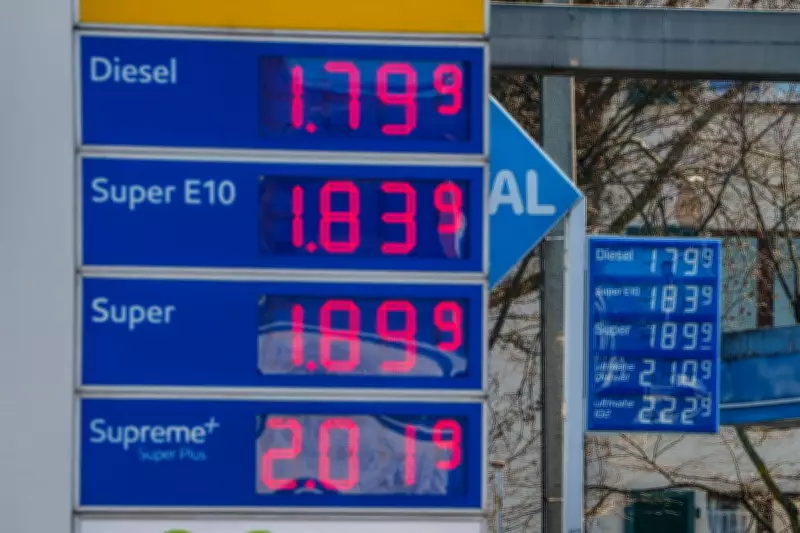
These higher oil prices immediately raise the prospect of costlier gasoline prices for American drivers as well as increased costs for other goods at a time when consumers in many nations have already been stung by persistent inflation pressures. The market reaction reflects growing anxiety about the stability of energy supplies from one of the world's most important production regions.

Critical Strait of Hormuz Situation
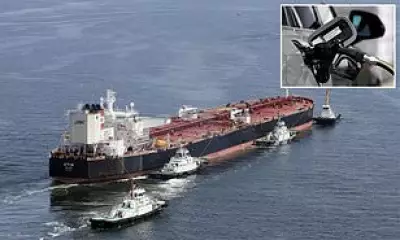
A key focus for traders and analysts was the developing situation around the narrow strait at the southern end of the Persian Gulf, through which approximately 20% of the world's total oil supply normally passes. Tanker traffic dropped sharply amid significant disruption to satellite navigation systems, according to data and analytics firm Kpler, which reported the developments on social media platform X.
Simultaneously, the United Kingdom Maritime Trade Operations Centre reported attacks on several vessels in the area on either side of the strategic waterway and warned of elevated electronic interference affecting systems that display ship locations. This combination of physical attacks and electronic warfare has created unprecedented challenges for maritime navigation through this essential passage.
Escalating Regional Tensions
A bomb-carrying drone boat struck a Marshall Islands-flagged oil tanker in the Gulf of Oman on Monday, killing one mariner on board according to Omani authorities. Iran has been threatening vessels approaching the Strait of Hormuz and is widely believed to have launched multiple attacks in the region as tensions continue to escalate.
Saudi authorities separately reported they successfully intercepted Iranian drones that attacked the strategically important Ras Tanura oil refinery near Dammam. The refinery was subsequently shut down as a precautionary measure, according to Saudi state television reports. These developments have shifted market attention toward whether the conflict might widen to include other major oil-producing countries throughout the region.
Analyst Perspectives on Price Movements
Monday's substantial price increase fell within the $5-$10 per barrel range that analysts had anticipated based simply on the fear factor associated with the outbreak of regional warfare. Notably, some war concerns were already partially reflected in oil prices before the current conflict began, suggesting markets had been pricing in geopolitical risk premiums.
However, analysts warn that long-term disruption to ship traffic through the Strait of Hormuz could send prices considerably higher than current levels. Similarly, any significant damage to oil infrastructure in other Gulf countries could trigger additional price spikes. Conversely, a shorter conflict in which supply disruptions prove easily reversible could mean the current price spike may not prove sustainable over the longer term.
The global energy market now faces a period of heightened uncertainty as traders monitor whether these disruptions represent temporary volatility or the beginning of more sustained supply challenges from one of the world's most crucial energy-producing regions.