Oil Markets Surge 8% as US Naval Blockade Sparks Geopolitical Risk Fears
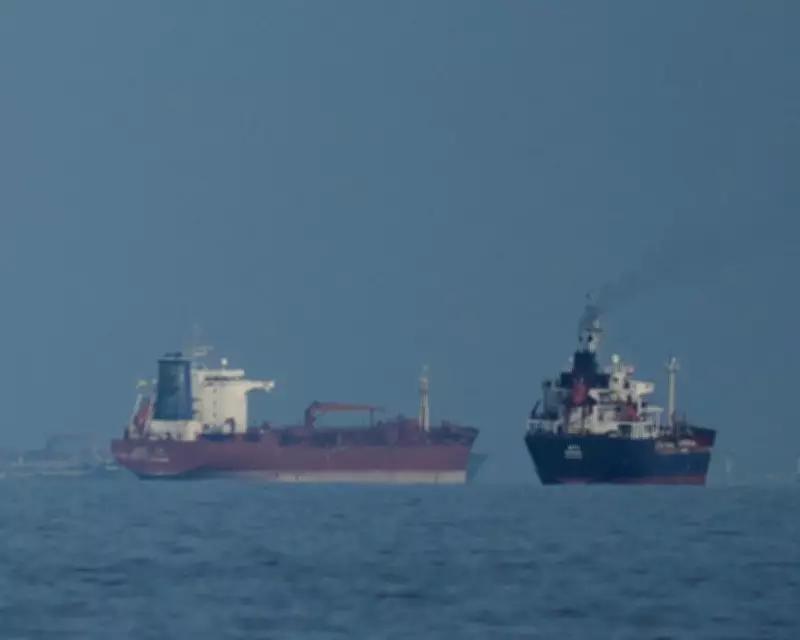
Oil markets have decisively re-entered a state of heightened geopolitical tension, with prices vaulting back above the critical psychological threshold of $100 per barrel. This sharp increase follows the United States' move to impose a naval blockade targeting Iranian shipping through the strategically vital Strait of Hormuz. Both major benchmarks, West Texas Intermediate (WTI) and Brent crude, opened with significant gap-up movements and currently hover with gains approaching 8%.
Analyst Warns of Inflationary Pressures from Geopolitical Triggers
Priyanka Sachdeva, an analyst at brokerage firm Phillip Nova, has issued a stark warning about the broader economic implications. "Every additional barrel of risk introduced into oil markets carries a direct inflation price tag for the global economy," Sachdeva stated. The market's reaction underscores a simple but powerful reality: the risk associated with the Strait of Hormuz is not merely theoretical; it is structural, and it is very real.
The latest catalyst for this market upheaval came after diplomatic talks mediated by Pakistan failed to produce a durable or lasting agreement. This breakdown prompted the United States to announce the enforcement of stringent maritime restrictions on vessels moving to and from Iranian ports. The mere threat of enforcement has been sufficient to trigger a substantial re-pricing of risk in the oil markets, demonstrating just how vulnerable global oil supplies remain to geopolitical triggers and sudden shifts in international policy.

Structural Vulnerabilities and Market Implications
This event highlights the ongoing structural vulnerabilities within global energy markets. The Strait of Hormuz is a chokepoint for a significant portion of the world's seaborne oil trade, and any disruption there has immediate and far-reaching consequences. The rapid price adjustment reflects deep-seated market anxieties about supply security and the potential for prolonged instability.
Analysts are now closely monitoring the situation, concerned that sustained high oil prices could feed directly into broader inflationary pressures worldwide. This development serves as a potent reminder that geopolitical flashpoints continue to be a primary driver of volatility in commodity markets, with significant knock-on effects for economic stability and growth projections.