

Oil and gas prices continued their rollercoaster ride on Friday, displaying extreme volatility as stock markets worldwide grappled with turbulent trading conditions fueled by the escalating conflict involving Iran. The situation has created a perfect storm of uncertainty for energy markets and financial indices alike.
Energy Markets in Disarray
UK natural gas prices experienced a modest retreat during early Friday trading sessions, but this minor correction followed an astonishing surge of more than one-fifth on Thursday. At one point during Thursday's trading, prices reached their highest level in three years, highlighting the intense pressure on energy supplies.
Meanwhile, Brent crude oil extended its gains yet again on Friday, climbing an additional 2% to approach $111 per barrel. This renewed upward momentum came after a brief retreat earlier in the day, demonstrating the market's persistent anxiety about supply disruptions. Remarkably, oil had soared as high as $119 per barrel during Thursday's trading frenzy.

Stock Market Turbulence
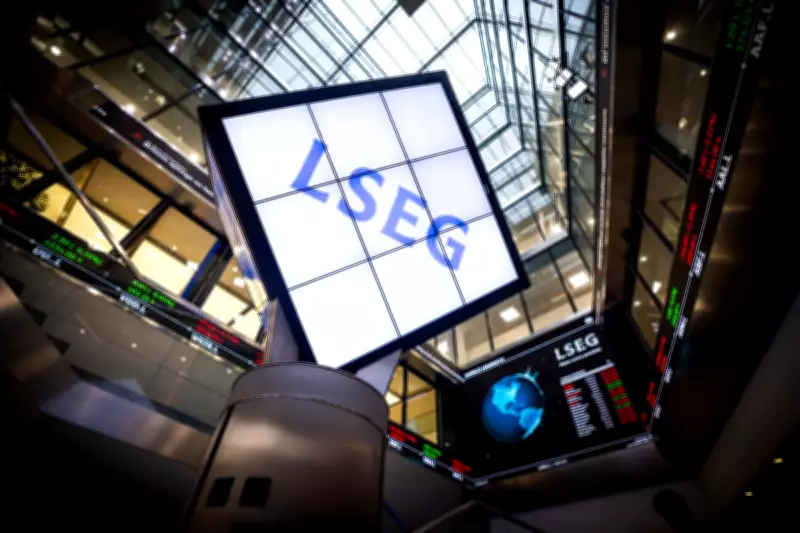
Financial markets quickly erased their early session gains as volatility gripped trading floors across Europe. The FTSE 100 Index in London experienced significant see-sawing throughout the day, ultimately settling with a marginal decline of 0.1% at 10,053.6 points. The blue-chip index had initially opened higher before falling as much as 0.6% during the session.
The downward pressure extended across European markets, with France's Cac 40 and Germany's Dax both declining by 0.4%. This followed Thursday's steep worldwide stock declines, which were triggered by Israeli strikes targeting energy infrastructure that prompted Iranian attacks on Qatar. During these assaults, Shell's crucial gas-to-liquid facility sustained damage, further exacerbating supply concerns.
Geopolitical Developments
Market sentiment received a temporary boost late Thursday when Israeli Prime Minister Benjamin Netanyahu announced he would postpone further attacks on Iran's gas fields at the request of US President Donald Trump. This announcement came after Iranian retaliation had sent oil prices skyrocketing earlier in the week.
However, financial experts remain cautious about the sustainability of any market calm. Swissquote senior analyst Ipek Ozkardeskaya warned: "Despite a relatively calmer morning session, the uncertainty and the volatility will remain on the menu." This sentiment was echoed by analysts at Saxo Bank, who noted that concerns persist about the conflict's long-term economic impact even after hostilities eventually subside.
Broader Economic Implications
The ongoing conflict shows no signs of resolution three weeks after the initial US and Israeli attacks on Iran began. According to Saxo's experts, the disruption has already created an unprecedented supply shock, with producers across the Gulf region collectively shutting in approximately 10 million barrels per day of output.
This massive reduction in production has intensified global inflationary pressures while simultaneously raising serious concerns about slowing economic growth worldwide. The dual threat of rising prices and economic contraction presents policymakers with particularly challenging dilemmas as they attempt to navigate the crisis.
The volatility in energy markets and financial indices underscores how geopolitical tensions in the Middle East continue to reverberate through global economies, affecting everything from household energy bills to corporate profitability and investment portfolios. As the conflict enters its fourth week, traders and analysts alike brace for continued uncertainty in the days ahead.






