

New Zealand Launches Cash Relief for Families Amid Fuel Price Surge
In response to escalating global fuel crises, the New Zealand government has unveiled a pioneering cash payment initiative aimed at supporting low-income families. This policy, set to commence on 1 April, provides direct financial assistance to help households cope with the sharp rise in petrol prices, which have surged since the onset of the US-Israel war on Iran.
Details of the Fuel Relief Package
Prime Minister Christopher Luxon and Finance Minister Nicola Willis announced that approximately 143,000 families with children will receive an additional NZ$50 per week. This boost is delivered through the in-work tax credit, targeting families where at least one parent is employed and neither receives benefits. An additional 14,000 families with slightly higher incomes will also qualify for reduced payments.
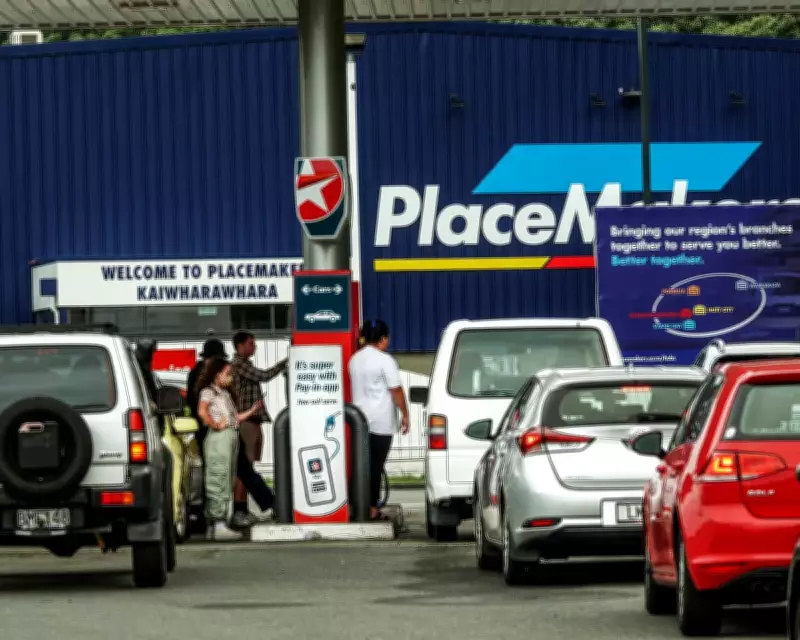
The increase is temporary, lasting for one year or until the price of 91 octane petrol falls below $3 per litre for four consecutive weeks. Petrol prices in New Zealand have jumped by 40-50 cents per litre, pushing average unleaded fuel costs above $3, with some stations reporting shortages due to panic buying. Current fuel stocks stand at 46 days' worth for petrol, diesel, and jet fuel combined.

Government Rationale and Criticisms
Luxon emphasised the priority of maintaining sufficient fuel supply while acknowledging that rising pump prices are straining household budgets. Willis described the policy as targeted at the "squeezed middle"—working parents with modest incomes who are ineligible for benefits. However, the ministers conceded that some New Zealanders would be excluded from the scheme.
Green party co-leader Marama Davidson criticised the package for failing to assist those most affected, including benefit recipients, retirees, and unpaid carers. "This is a crisis and the government’s response will do nothing for most New Zealanders," Davidson stated, highlighting gaps in the relief efforts.
Global Context and New Zealand's Vulnerability
Governments worldwide are implementing measures to address fuel price spikes and shortages. Examples include the Philippines adopting a four-day workweek, Sri Lanka enforcing fuel rationing, Ireland reducing excise duties, and Thailand and South Korea capping domestic fuel prices. South Korea is also considering energy vouchers for households, while the Marshall Islands plans tax cuts to ease cost-of-living pressures.
New Zealand appears to be the first nation to offer direct cash payments as part of a government relief package. The country's isolated geography makes it particularly vulnerable to energy shocks and economic disruptions, given its heavy reliance on global trade and susceptibility to supply chain issues.
This initiative underscores the broader challenges faced by nations grappling with the fallout from Middle East conflicts, as they seek innovative solutions to mitigate the impact on citizens amidst worsening global fuel crises.






