Global Nuclear Revival Accelerates Four Decades After Chernobyl Disaster
Nuclear Energy Revival 40 Years After Chernobyl

Global Nuclear Revival Accelerates Four Decades After Chernobyl Disaster

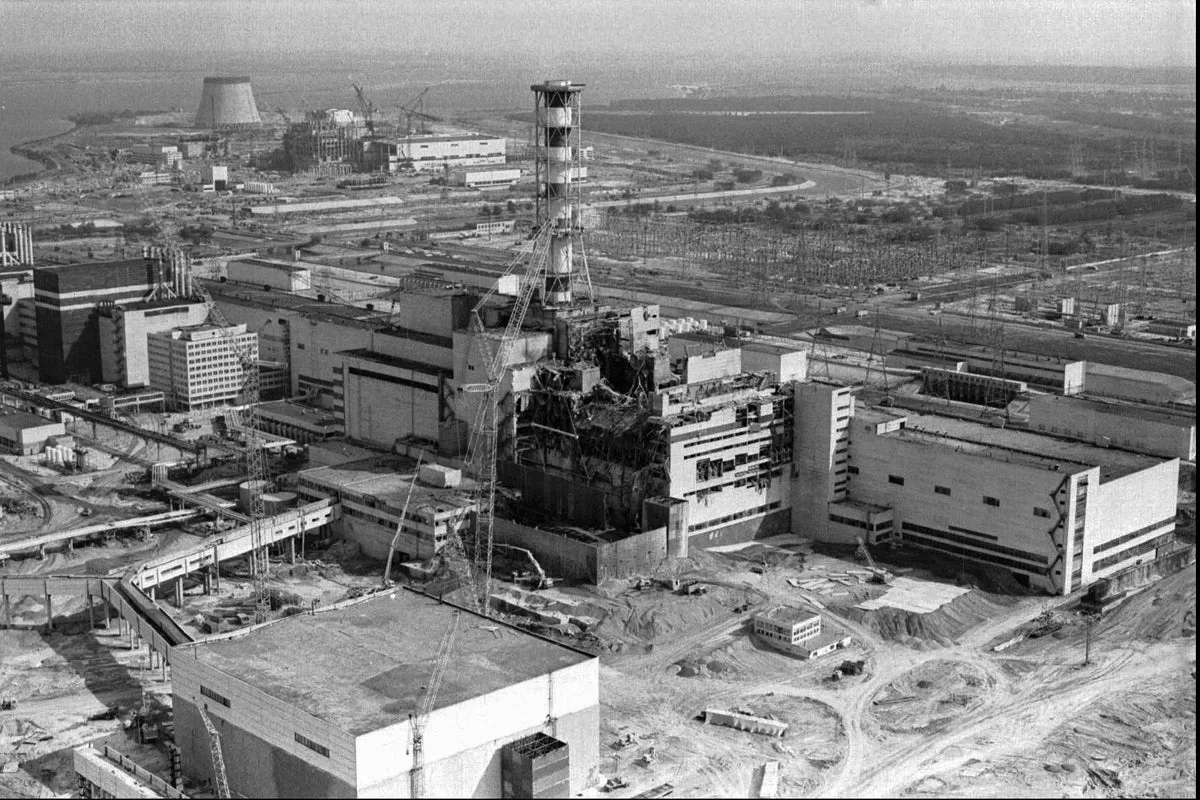
The 1986 Chernobyl nuclear disaster fueled profound global fears about nuclear energy, significantly slowing its development across Europe and other regions for years. However, four decades later, a remarkable global revival is in full swing, a trend powerfully boosted by geopolitical tensions, including war in the Middle East.

A Resurgent Global Industry

Currently, over 400 nuclear reactors are operational across 31 countries, with approximately 70 more under construction. Nuclear power accounts for roughly 10% of the world's electricity generation, equivalent to about a quarter of all low-carbon power sources. Steady technological improvements have enhanced safety features and reduced construction and operational costs, making nuclear more viable.

Fatih Birol, Executive Director of the International Energy Agency, noted that while accidents like Chernobyl and the 2011 Fukushima disaster in Japan diminished appetite for nuclear, a revival was anticipated years ago. "With the war in the Middle East, I am 100% sure nuclear is coming back," Birol stated. "It's seen as a secure electricity generation system, and we will see that the comeback of nuclear will be very strong, both in the Americas, in Europe and in Asia."

Wide Pickt banner — collaborative shopping lists app for Telegram, phone mockup with grocery list

National Strategies and Leadership

The United States remains the world's largest producer of nuclear power, with 94 operational reactors generating about 30% of global nuclear electricity. The U.S. aims to quadruple its nuclear capacity by 2050. U.S. Undersecretary of State Thomas DiNanno emphasized last month, "The world cannot power its industries, meet the demands of artificial intelligence, or secure its energy future without nuclear power."

China operates 61 reactors and leads globally in new construction, with nearly 40 units underway, positioning it to surpass the U.S. in nuclear capacity. Russia has taken a strong lead in exporting nuclear technology, building 20 reactors worldwide and expanding domestically with projects like new units at Kursk and Leningrad sites.

European Reassessment and Divergence

European Commission President Ursula von der Leyen acknowledged it was Europe's "strategic mistake" to cut nuclear energy, outlining new initiatives to encourage power plant construction. The EU now views nuclear as part of clean energy, alongside wind and solar, to meet climate goals. The bloc is considering Small Modular Reactors (SMRs), expected operational in the early 2030s, seen as cheaper and more flexible.

France relies on nuclear for nearly 70% of its electricity, with 57 reactors, and plans to build six new pressurized water reactors. Germany, however, phased out its last three reactors in 2023, a decision Chancellor Friedrich Merz called "irreversible," despite some openness to future SMRs. Belgium repealed a law demanding reactor closures, while Spain plans to phase out its seven reactors by 2035.

Regional Impacts and Ongoing Challenges

In Ukraine, which still generates about half its electricity from nuclear plants, the Zaporizhzhia Nuclear Power Plant was captured by Russian forces in 2022, and Kyiv accused Russia of a drone attack on Chernobyl's protective structure. Japan has restarted 15 reactors post-Fukushima, with 10 more seeking approval. South Africa hosts Africa's only nuclear plant, with Russia building one in Egypt and other nations exploring the technology.

Rafael Grossi, Director General of the International Atomic Energy Agency, stated, "The momentum we are seeing today is the result of a growing recognition that reliable, low-carbon electricity will be essential to meet the world's rising energy demand." This global shift underscores nuclear energy's renewed role in addressing energy security and climate objectives, even as debates over safety and sustainability persist.

Pickt after-article banner — collaborative shopping lists app with family illustration