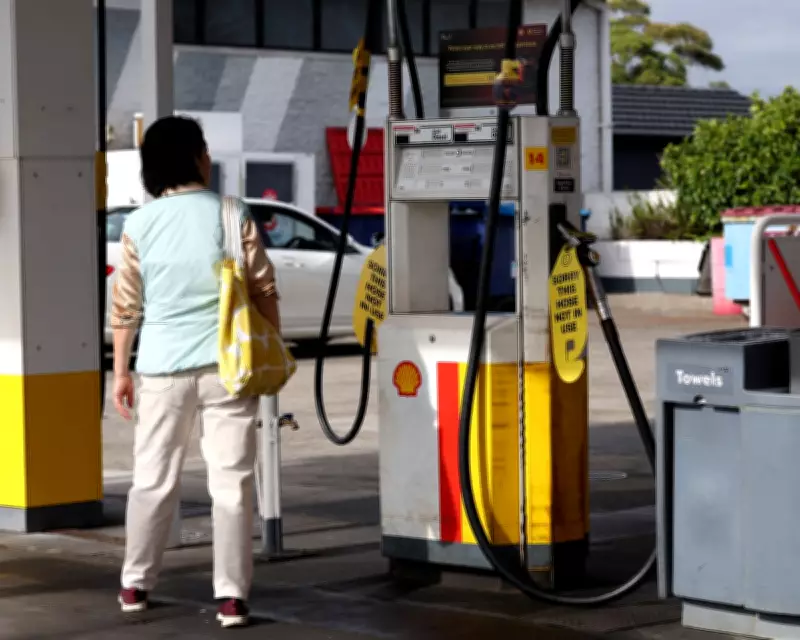
New South Wales Premier Chris Minns has confirmed a significant escalation in the state's fuel supply crisis, revealing that 75 service stations have completely run dry of all fuel types as of 9am this morning. This alarming figure marks a sharp increase from just 59 stations reported on Friday, highlighting a rapidly deteriorating situation.
Widespread Fuel Shortages Across NSW
According to data from the FuelCheck compliance platform, which monitors 2,414 registered service stations across NSW, the problem extends far beyond total outages. A total of 392 stations, representing just under one in six, are currently out of stock of at least one type of fuel. This is up from 347 stations on Friday, indicating a broadening impact on consumers.
Diesel and Premium Diesel Hit Hard
Particularly concerning is the shortage of diesel fuels, critical for commercial transport and agriculture. Premier Minns reported that 242 stations are now out of diesel or premium diesel, a notable rise from 207 stations just days ago. This shortage threatens to disrupt supply chains and increase costs for businesses reliant on diesel-powered vehicles.

Premier Minns Defends Fuel Excise Reduction
When questioned about potential negative impacts of reducing the fuel excise—a move economists warn could exacerbate shortages by increasing demand—Premier Minns stood firm. "I'm not taking away anything from anything," he stated. "[Reducing the excise] is really going to help families, particularly those who have to buy petrol and can't afford it. We're already well in advance of the average annual cost of a litre of petrol, but you make a good point, and that is, petrol is expected to drop in the coming days, and we want consumers to act responsibly."
NSW Rejects Free Public Transport Offer
In a related development, Premier Minns addressed NSW's refusal to follow Victoria's lead in offering a month of free public transport, a measure estimated by NSW Treasury to cost $140 million monthly in lost Opal card revenue. "The Victorian plan is for 30 days of free public transport," Minns explained. "I'm not seeing any indication out of the Middle East that this will be solved in the next 30 days, and I want to make sure that we've got enough resources and money available to help NSW families if we're in a prolonged situation."
This statement underscores the government's focus on financial preparedness amid ongoing global uncertainties affecting fuel supplies. The premier's comments suggest a cautious approach, prioritizing long-term support over short-term relief measures that could strain state finances.
Implications for Consumers and Economy
The escalating fuel shortages pose serious challenges for NSW residents and the broader economy. With petrol prices already high and expected to fluctuate, consumers are urged to plan their purchases carefully. The situation highlights vulnerabilities in fuel distribution networks and raises questions about energy security in the region.
As the crisis unfolds, all eyes will be on government responses and market adjustments to mitigate further disruptions.