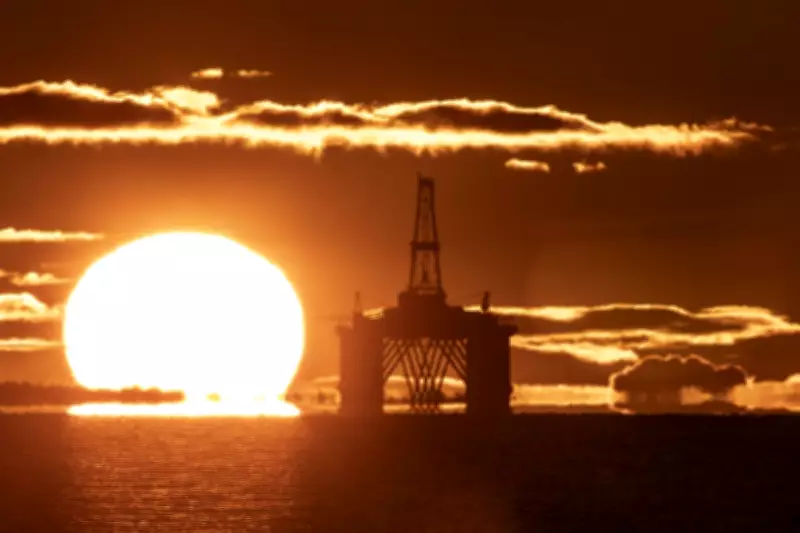
North Sea oil prices have skyrocketed to an unprecedented record high, driven by escalating tensions in the Middle East and a contentious ceasefire dispute between the United States and Iran. Traders are scrambling to secure physical shipments, pushing prices to levels not seen since the 2008 financial crisis.
Historic Price Surge
Forties Blend, the benchmark for UK-produced oil cargoes, soared to nearly 147 US dollars (approximately £109.50) per barrel late on Thursday. This surge marks a dramatic increase from around 60 dollars (£44.70) per barrel at the start of the year, reflecting heightened anxiety over global oil supplies.
Ceasefire Tensions and Market Impact
The price jump coincides with accusations from US President Donald Trump that Iran is violating a ceasefire agreement by failing to immediately reopen the Strait of Hormuz. In posts on his Truth Social platform, Trump warned Iran against charging fees to tankers and criticized its handling of oil passage through the critical trade artery.

Brent crude oil, another key benchmark, also experienced volatility, rising 1.9% to 97.79 dollars per barrel on Friday morning after dipping to about 90 dollars earlier in the week. The ceasefire, conditional on the strait's reopening, has left markets on edge as supply disruptions loom.
European Market Reactions
In financial markets, London's FTSE 100 edged up 0.17% to 10,621.05 points, while European indices like the French Cac 40 and German Dax saw modest gains. However, oil majors faced pressure, weighing on broader market performance.
Richard Hunter, head of markets at Interactive Investor, noted, "Despite the oil price ticking marginally higher, the oil majors slipped, and this weighed on the FTSE 100. The index was largely flat, with some support from housebuilders and retailers amid a challenging economic backdrop."
The scramble for oil in Europe underscores the fragility of global energy markets, with ongoing conflicts and geopolitical disputes continuing to drive uncertainty and price spikes.