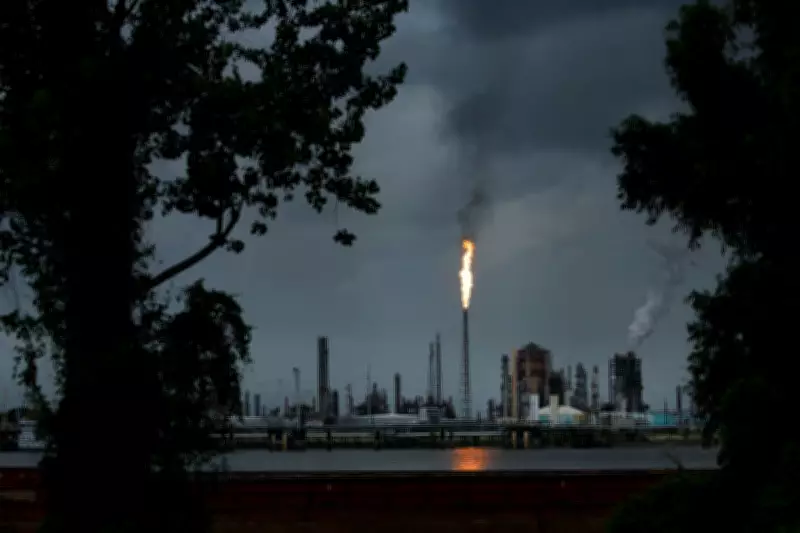
The oil industry in Michigan is confronting a dual threat as the climate crisis intensifies and energy costs continue to rise, creating a complex scenario for the state's economy and residents. This situation highlights the broader challenges facing fossil fuel-dependent regions across the United States.
Climate Crisis Impacts on Michigan's Oil Sector
Michigan's oil production, which has historically been a key component of the state's energy mix, is now under pressure from the escalating effects of climate change. Extreme weather events, such as severe storms and flooding, are disrupting operations and infrastructure, leading to production delays and increased maintenance costs. These environmental factors are forcing the industry to adapt rapidly, with many companies investing in resilience measures to mitigate future risks.
Rising Energy Costs and Economic Strain
Simultaneously, Michigan is experiencing a surge in energy costs, which is affecting both consumers and businesses. The rising prices are driven by a combination of global market fluctuations, supply chain issues, and the transition towards renewable energy sources. For households, this means higher bills for heating and electricity, while industries reliant on oil face increased operational expenses, potentially leading to job losses and reduced competitiveness.

Broader Implications for the US Energy Landscape
Michigan's struggles reflect a national trend where traditional energy sectors are grappling with the transition to a greener economy. The state's experience underscores the need for balanced policies that address climate concerns while supporting economic stability. As the US moves towards reducing carbon emissions, regions like Michigan must navigate the shift carefully to avoid exacerbating social and economic disparities.
Community and Environmental Concerns
Local communities in Michigan are particularly vulnerable to these changes, with many areas dependent on oil-related jobs and revenue. Environmental advocates are calling for accelerated investments in renewable energy and sustainable practices to create new opportunities and reduce the state's carbon footprint. Public health is also a concern, as pollution from oil extraction and use contributes to air and water quality issues, further complicating the crisis.
In summary, Michigan's oil industry is at a crossroads, facing significant challenges from the climate crisis and rising energy costs. The state's response will be crucial in shaping its future energy landscape and economic resilience, serving as a case study for other regions undergoing similar transitions.