Martin Lewis Urges Octopus, E.ON, OVO, EDF Customers to Act Now on Energy Bills
Martin Lewis Urges Octopus, E.ON, OVO, EDF Customers to Act Now

Martin Lewis has urged customers of Octopus Energy, British Gas, E.ON Next, OVO Energy, EDF Energy, and ScottishPower to act immediately to prevent substantial increases to their bills. The warning arrives as households grapple with elevated fuel costs and anticipated energy bill hikes when the next price cap takes effect in July.

The energy price cap, determined by Ofgem quarterly (January, April, July, October), sets maximum unit rates and standing charges that suppliers can impose for default, standard variable tariffs across England, Scotland, and Wales. It doesn't cap total bills; usage determines costs. The cap affects households on default tariffs.

Martin Lewis's Warning on This Morning

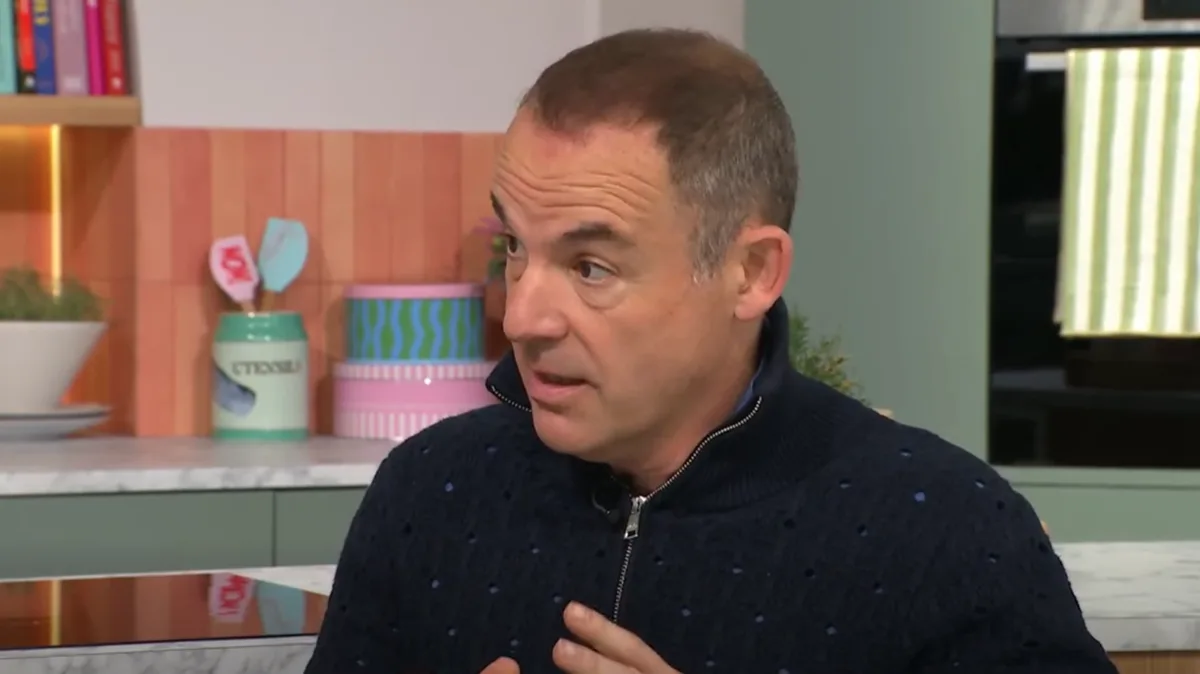
Speaking on ITV's This Morning this week, Mr Lewis highlighted that many consumers remain unaware whether they're on the price cap - a clear sign they probably haven't secured a fixed energy deal - and need to take immediate steps. He explained: "I was shocked that so few people knew they were on the price cap because we use this term all of the time. And I often say, if you're on the price cap, get off the pants price cap. It's a pants cap. But I actually don't think people know."

Wide Pickt banner — collaborative shopping lists app for Telegram, phone mockup with grocery list

"So, let's be very plain. The price cap applies to firms standard variable tariff. That's the default tariff. That's the you've not chosen a tariff tariff. That's the I've not done anything when my fix ended tariff. It's the do nothing tariff. That's the price cap. If you've chosen to fix, if you've chosen a specialist tariff and you're still within that, you're not on the price cap. So, we are talking all those of you."

Price Cap and Middle East Conflict

Martin outlined how prices dropped 6.7% on April 1, with the price cap being reviewed every three months. He explained: "What it does is it caps the unit rate and standing charge that energy firms can charge. Now, here's the thing you need to understand. The price cap is set based on a time lag. So, the April price cap was based on wholesale rates. That's the worldwide rates if you like between middle of November and the middle of February."

"The July price cap is based from the middle of February till the middle of May. It contains all of the Middle East conflict, and prices were two thirds of the way through it have been very high. So that means the current prediction is we're likely to see a rise on the 1st of July of between 12 and 14% in the energy price gap."

Fixed Deals vs. Price Cap

Mr Lewis noted that the cap only lasts for three months, with the next revision due in October. However, he cautioned that current forecasts suggest the October price cap will remain roughly the same, stating: "as once it's gone up 12% it's going to stay around there but we don't know. That's crystal ball gazing."

He elaborated: "So that's the position that we are currently in. But the rate that you can get switchable tariffs on the market like cheap fixes that isn't based on a time lag. That's based on current prices right here, right now. So sometimes the time lag is good for you. Sometimes the time lag's bad. Now since we had the ceasefire, worldwide natural gas prices that also dictate our electricity prices have dropped."

"They're not cheap, but they've dropped. So two weeks ago, you could not get a fix that was cheaper than the current price cap. It was about 7% more expensive. Right now, the cheapest fix is 6% less than the current price cap. And with a fix, you lock in your rate. So, you can get a fix now at 6% less than the April price cap. And we're pretty sure that that price cap is going up in July. So, and this fixes don't move. And then it might come down afterwards. We're not sure. But even if it does, probably won't get up."

How to Find the Best Deal

He suggested using a comparison website that displays every available deal - not merely those offering financial incentives. He noted: "Right now the cheapest tariffs tend to be the ones that don't pay them. So if you're going on a comparison site that does that, which is almost all of them bar one, and I'm not allowed to say which the one doesn't isn't, then you can work out why for yourselves, but I can't say it."

Pickt after-article banner — collaborative shopping lists app with family illustration

"Then you need to look at the bottom of the screen somewhere and look at where it says show all tariffs and tick the show all tariffs so you can see all tariffs. Because when if you're going, 'Hold on, they were non cheaper than the price cap.' That's probably because those are being hidden because they don't have a commercial relationship with them."

"So it's import not make I'm making a moral judgment. That's their business model. Otherwise, those comparison sites would work, but that's what they do. So, you need to check tick show all tariffs."