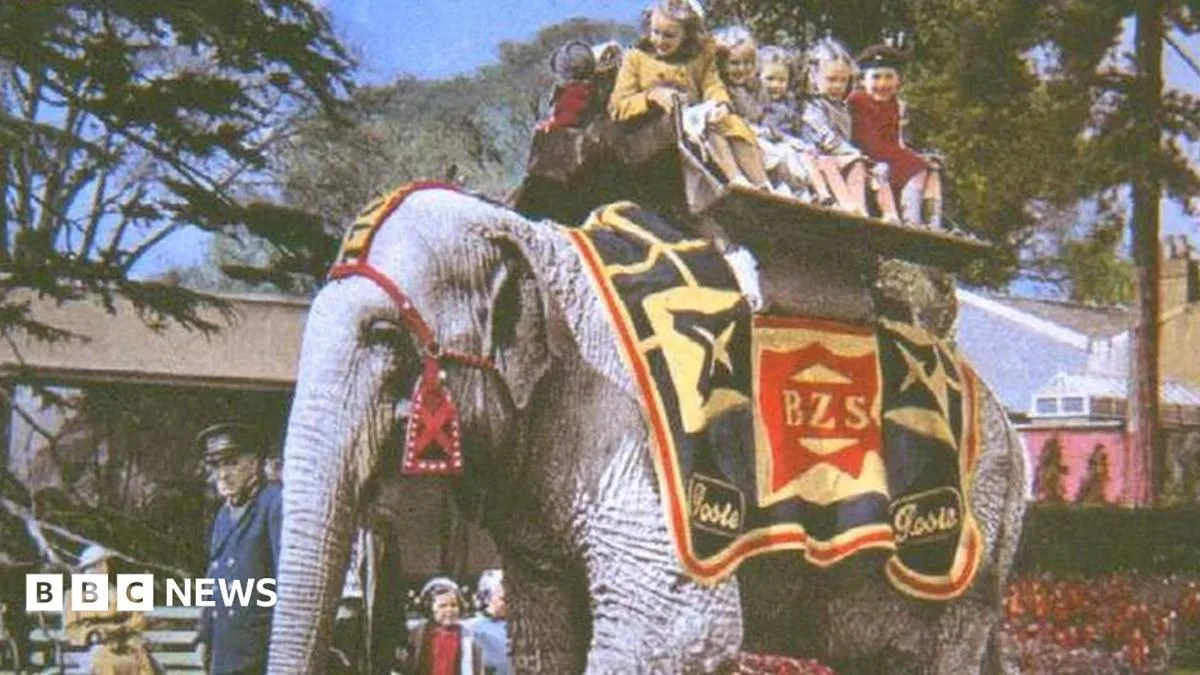
Bristol Zoo Gardens, the fifth oldest zoo in the world, shut its doors for the final time on Saturday after 186 years of operation. Run by the Bristol Zoological Charity, the zoo opened in 1836 and had welcomed an estimated 90 million visitors over its lifetime.
The closure was driven by the pandemic and a strategic shift towards the charity's other site, The Wild Place Project in South Gloucestershire. The zoo said its conservation programmes had helped save many species from extinction, including being the first in the UK to successfully breed the increasingly rare black rhino.
Scores of visitors queued on the final day to say goodbye. Among them were Sarah Farrell and her partner Jon, who married at the zoo's Clifton Pavilion in 2018. 'It was somewhere we both loved to visit, we loved the atmosphere and how it held history through its beautiful buildings as well as being a zoo,' said Ms Farrell, a primary school teacher from Bristol.

Paul Lewis, 62, represents three generations of his family who worked at the zoo. His father Michael was head of indoor gardening, starting in 1945, and his grandfather also worked there. Mr Lewis described the zoo as 'a huge part' of his life, providing 'secure employment for 50 years'. While nostalgic, he acknowledged the site 'was always cramped' and that larger enclosures are needed for the charity's future.
The zoo originally housed animals sourced by affluent families and brought by sailors, including elephants, tigers and polar bears, which were later deemed unsuitable. The charity also offered six degree courses with 380 students linked to Bristol University and the University of the West of England; students will continue their education despite the closure.
The Wild Place Project, acquired in 1967 but opened in 2013, will now be prioritised and expanded. It features larger grounds for animals and focuses on climate-conscious education. The zoo's outreach and international conservation work will continue after the Clifton site's closure.