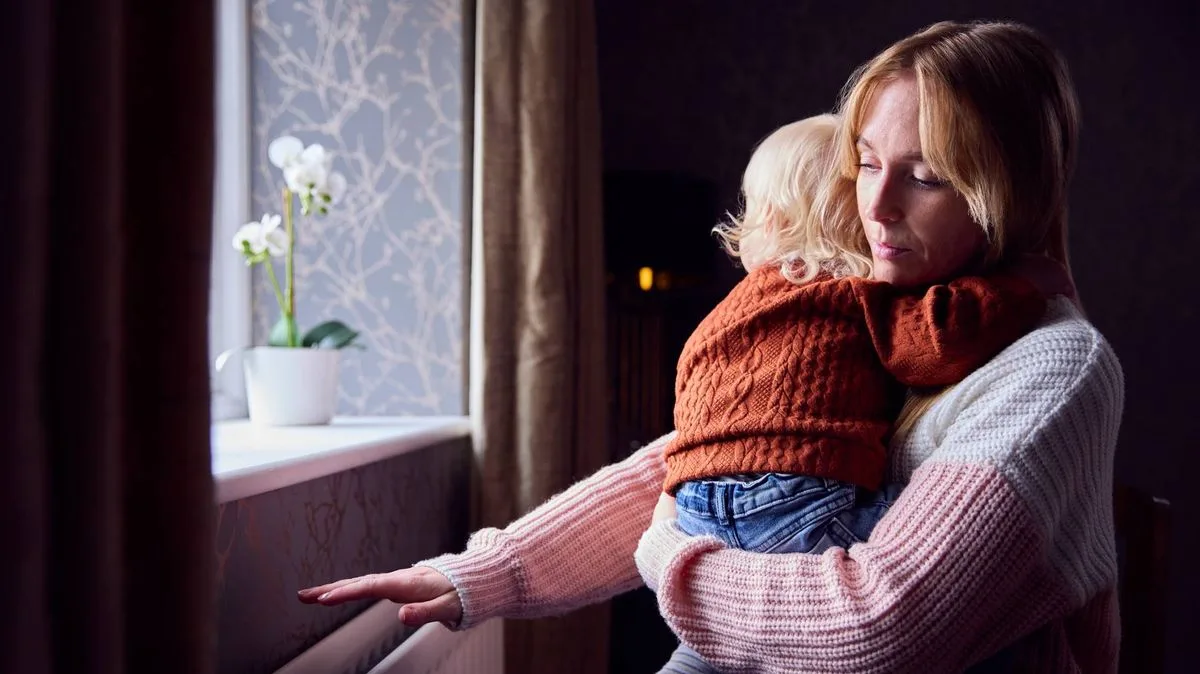
Martin Lewis's MoneySavingExpert has suggested an unconventional yet cost-effective way to keep homes warm this winter: wrapping windows in clingfilm. The humble kitchen staple, costing as little as £1.50, can act as a makeshift secondary glazing, trapping heat by creating an insulating air pocket. The Centre for Sustainable Energy notes that applying a thin transparent plastic film—similar to clingfilm—can significantly reduce heat loss.
The website advises that while specialist secondary glazing performs better, clingfilm is a readily available substitute. Other tips include keeping boiler temperatures low and running continuously rather than switching on and off, unplugging unused chargers, turning off lights when leaving a room, and keeping internal doors shut to retain warmth.
For those away from home for long periods, maintaining heating can prevent frozen pipes, which can cost hundreds to repair. Solar panels still generate electricity in winter, contrary to some beliefs. The site also debunks myths such as painting radiators black to improve efficiency or smart meters guaranteeing savings regardless of usage.
MoneySavingExpert warns against heating water in a microwave instead of a kettle, as microwaves can overheat water to dangerous levels, causing it to explode and inflict serious burns. A kettle remains the safer option, even for thrifty households.
Separately, heating experts at Plumbworld recommend a 'Victorian fix' using heavy door curtains (portières) across draughty doorways, paired with a draught excluder. Tests show heavy curtains can cut window heat loss by up to 39% on traditional sash windows, making them a renter-friendly, tool-free solution.