Labour has come under intense scrutiny and criticism on Thursday, with opponents accusing the government of adhering to a 'Net Zero dogma' after official figures revealed that energy bills will not fall by the amount previously promised by Chancellor Rachel Reeves.
Ofgem Announcement Falls Short of Labour's Pledge
Ofgem, the energy regulator, announced that the typical annual household energy bill will decrease by £117 starting in April. This reduction is notably less than the £150 cut that Chancellor Rachel Reeves had pledged in her Budget statement, creating a significant gap between government promises and reality.
Consequently, the cost of energy for households will remain £73 higher than when Labour first came to power in July 2024. This figure stands in stark contrast to Energy Secretary Ed Miliband's earlier commitment to lower bills by a substantial £300, highlighting a considerable shortfall in the government's energy cost reduction strategy.

Network Costs and Green Levies Shift the Burden
The announced reduction could have been more significant if not for an increase in so-called 'network costs' that are added to consumer bills. These costs include the price of upgrading the national grid as part of the transition to renewable energy sources, such as wind power.
The overall bill reduction follows Chancellor Reeves' November announcement that she would cut the level of green levies currently added to energy bills. However, critics have been quick to point out that this approach merely shifts the financial burden, as costs removed from bills are instead transferred to taxpayers, leaving households still financially strained.
Political Reactions and Accusations
Tory business spokesman Andrew Griffith launched a scathing attack, accusing Labour of 'gaslighting' the public. He stated: 'Bills aren't down by the £300 promised and taxes are rising. Their Net Zero dogma is hurting homes and businesses.'
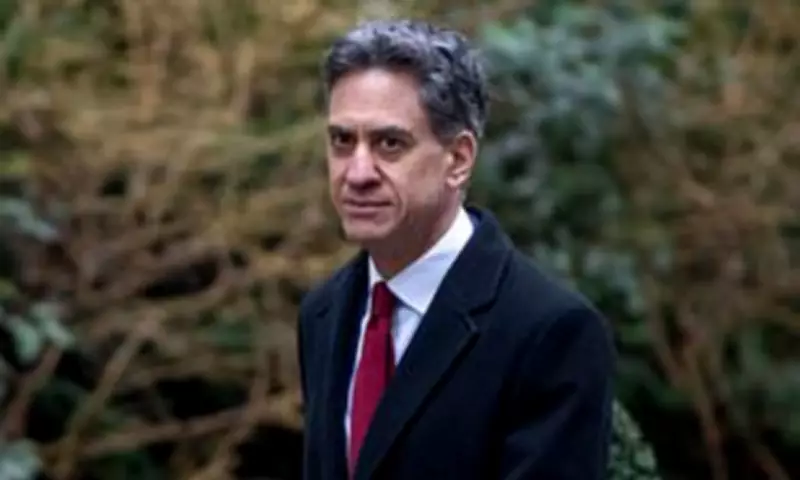
In response, Energy Secretary Ed Miliband claimed the bill reduction would 'provide much-needed cost-of-living support for families.' However, Tory energy spokeswoman Claire Coutinho countered this assertion, warning: 'Don't let him fool you, this "£150 off" is a sleight of hand.'
Think-Tank Analysis and Broader Concerns
Even the Tony Blair Institute (TBI), a think-tank established by the former Labour Prime Minister, expressed skepticism. The institute argued that energy price caps 'aren't going to end a cost-of-living crisis' and that wholesale reform of the energy system is necessary to tackle 'sky-high' bills effectively.
Andy Mayer, an energy analyst at the free market think-tank Institute of Economic Affairs, echoed these concerns. He stated that the transfer of costs from bills to taxes was merely 'hiding the problem, not solving it,' suggesting that the government's approach fails to address the root causes of high energy costs.
Ofgem's Price Cap Mechanism and Historical Context
Regulator Ofgem sets a price cap on standard variable energy tariffs every three months, affecting approximately 33 million domestic customer accounts for gas and electricity. This mechanism allows suppliers to charge more when their costs rise but forces them to charge less when costs fall, with the cap incorporating the upkeep of the grid and government levies.
When Labour assumed power in July 2024, typical annual energy bills regulated by the cap stood at £1,568. Since then, they have risen to the current level of £1,758. Thursday's announcement indicates that bills will fall to £1,641 from April 1, 2025.
Breakdown of the Bill Reduction
Ofgem has calculated that the Budget changes will reduce the price cap by £134. Additional cost reductions include a £38 decrease in wholesale gas and electricity prices. However, 'network costs' associated with grid upkeep and the green energy overhaul add £66, resulting in the net overall reduction of £117.
Impact on Household Financial Stability
Citizens Advice chief executive Dame Clare Moriarty highlighted the ongoing financial strain on households, stating: 'For millions of households, this has stopped being a temporary hardship and become an ongoing threat to their financial stability.' This comment underscores the broader cost-of-living crisis that continues to affect consumers across the country.

The discrepancy between promised and actual bill reductions has ignited a fierce political debate, with Labour's Net Zero policies and fiscal management facing increased scrutiny as households grapple with persistent high energy costs.