The cost of a stalled public inquiry into the death of a man in custody is increasing by more than £180,000 a month – despite no evidence being heard. Latest figures show the running total to taxpayers of the Sheku Bayoh probe has risen from £26,848,616 to £27,397,735 between the end of last year and March. It means spending has risen by £549,119, even though the inquiry effectively came to a halt last year – apart from the ongoing work of a ‘core team’ to ‘ensure continuity’.
Background of the Inquiry
In January, it was announced that judge Lord Colbeck will replace Lord Bracadale, who stepped down in October after his private meetings with the family of Mr Bayoh sparked a ‘bias’ row. The figure of £27.4 million covers the cost of running the inquiry, but the overall price-tag, including expenditure by police and prosecutors, has topped £50 million.
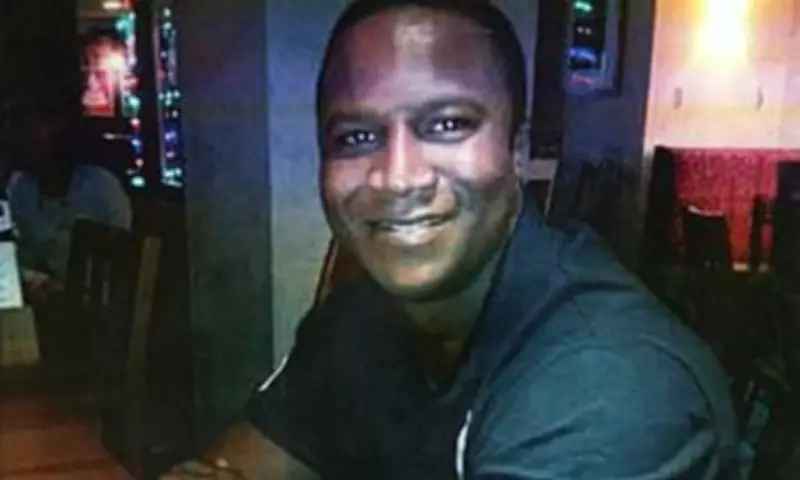
Mr Bayoh, 31, a father-of-two, died after he was restrained by six police officers in Kirkcaldy, Fife, on May 3, 2015, amid allegations of racism and police brutality. His family have called on Police Scotland and the Solicitor General, Ruth Charteris, KC, to publicly back the inquiry, ‘protect’ the 122 days of evidence already submitted, and allow the process to conclude. Earlier this year, his loved ones said they want a timetable for the inquiry’s remaining stages set up ‘as soon as possible’.

Family Compensation and Legal Actions
Last June, up to ten members of the family of Mr Bayoh received compensation from Police Scotland – including a single award of more than £1 million. The relatives halted their attempt to sue the force after reaching an out-of-court settlement. His family launched a civil action against Police Scotland, and the public inquiry was launched to examine the circumstances leading to Mr Bayoh’s death and whether or not race was a factor.
Last October, Lord Bracadale admitted he had lost the ‘confidence’ of those involved in the probe after the body representing rank-and-file officers launched a legal challenge to have him ousted. He decided not to recuse himself after ruling there was no possibility that he was biased, following concerns about his private meetings with Mr Bayoh’s family. But in a U-turn, the retired High Court judge quit, conceding concerns about his conduct ‘had not been allayed by my decision and that the criticisms have persisted’.
The Scottish Government has said ‘public inquiries operate independently of government and the chair has a legal duty to avoid unnecessary costs’. The Sheku Bayoh Inquiry was contacted for comment. Lord Colbeck will now review all of the evidence heard so far – which is expected to take several months.