

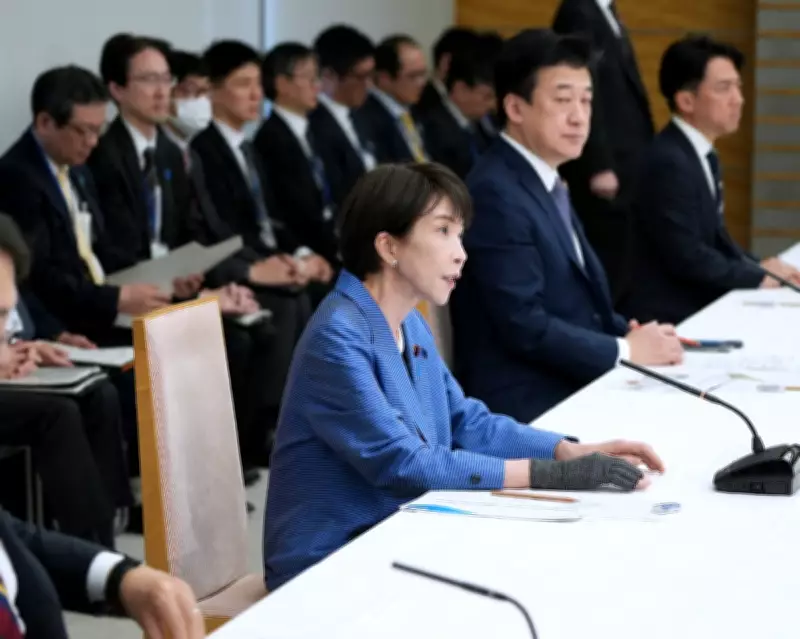
Japan Commences Historic Strategic Oil Reserve Release
Japan has announced it will begin the largest-ever release of oil from its national strategic reserves this week, as the country braces for potential shortages triggered by the ongoing US-Israel war on Iran. Prime Minister Sanae Takaichi confirmed that the release of state-owned reserves would commence on Thursday, marking a significant response to mounting energy security concerns.
Unprecedented Scale of Release
The government will provide approximately 80 million barrels of stockpiled oil to domestic refiners, equivalent to 45 days of Japan's total domestic demand. This volume represents 1.8 times the quantity released following the devastating earthquake and tsunami that severely damaged the Fukushima Daiichi nuclear power plant in March 2011, which led to the temporary closure of all of Japan's atomic facilities.
As of the end of last year, Japan maintained reserves of about 470 million barrels of oil, equating to 254 days of domestic consumption. The current release therefore represents a substantial portion of these strategic stockpiles.

Vulnerability to Middle East Disruption
Japan's resource-poor economy imports more than 90% of its crude oil from the Middle East, making the nation particularly susceptible to any disruption in tanker traffic through the Strait of Hormuz. The government last week approved the release of 15 days' worth of private-sector reserves amid growing concerns that the conflict could continue to hinder the vital flow of oil through this critical waterway.
Prime Minister Takaichi emphasized that peace and stability in the Middle East remain "extremely important for Japan and the international community." She added that Tokyo would continue to "make all necessary diplomatic efforts in close coordination with related countries."
Political and Economic Context
Takaichi recently resisted calls from former US President Donald Trump to deploy Japanese maritime self-defence forces to the region, citing constitutional limitations. During their summit in Washington, she explained that Japan's postwar constitution prevents the dispatch of naval forces to the Strait of Hormuz.
Concurrently, the government introduced subsidies for fuel products last week to cap gasoline prices at approximately ¥170 ($1.10) per litre. This intervention followed average retail gasoline prices reaching a record ¥190.8 per litre. Officials have stated that these initial subsidies will be reviewed weekly based on fluctuating oil prices.
Consumer Anxiety and Toilet Paper Concerns
Fears that the Strait of Hormuz might remain closed for an extended period have sparked anxiety among Japanese consumers regarding the availability of essential household items, particularly toilet paper. This week, the trade and industry ministry issued guidance urging consumers not to hoard toilet roll, responding to social media posts that suggested prices and supplies could be negatively impacted by disruptions to oil imports.
In a post on X, the ministry encouraged shoppers to make "rational decisions about toilet paper purchases based on accurate information," aiming to prevent a repeat of severe shortages experienced during the early stages of the COVID-19 pandemic and the Middle East "oil shock" of 1973, which ushered in an era of low growth for Japan's previously booming economy.
Industry Reassurance and Manufacturing Reality
The Japan Household Paper Industry Association, representing 41 firms producing toilet paper and other sanitary paper products, clarified that about 97% of toilet paper sold in Japan is manufactured domestically using recycled paper and pulp. The industry emphasized it does not depend on materials from the Middle East.
In an official statement, the association confirmed there were "no problems with the procurement, manufacturing and supply of raw materials," adding that member companies could increase production if necessary. Morio Ishizuka, head of the paper association, appealed to the public through The Mainichi Shimbun, stating: "Please buy only the usual amount you need. We ask everyone to share information calmly so as not to fuel anxiety."

Social Media Speculation and Public Response
Despite official reassurances, alarmist posts continue to circulate on social media platforms. One X user warned: "We'd better buy toilet paper before the price skyrockets due to the surge in oil prices, or we're in big trouble." Another speculated that groundless fears could create a self-fulfilling prophecy, noting: "If people panic and buy in bulk thinking supplies will run out, the shelves will temporarily be empty."
Additional posts claimed local stores had depleted their toilet paper stocks, while others showed images of people stockpiling essentials including cat food, toiletries, and even beer. These reactions highlight the broader public concern about potential supply chain disruptions stemming from the Middle East energy crisis.
The coordinated release of strategic oil reserves represents Japan's most significant response to energy security threats in over a decade, underscoring the nation's vulnerability to Middle East instability and its determination to maintain economic stability during this period of international tension.





