

Ireland's Fuel Crisis Deepens as Protests Block Oil Supply, Taoiseach Warns
Taoiseach Micheal Martin has issued a stark warning that Ireland stands on the precipice of turning away vital oil imports as ongoing protests over soaring fuel costs continue to disrupt the nation's supply chain. The premier described the blockading of ports and refineries by demonstrators as unconscionable and illogical, highlighting the severe risks to the country's energy security.
Protests Escalate Amid Fuel Price Concerns
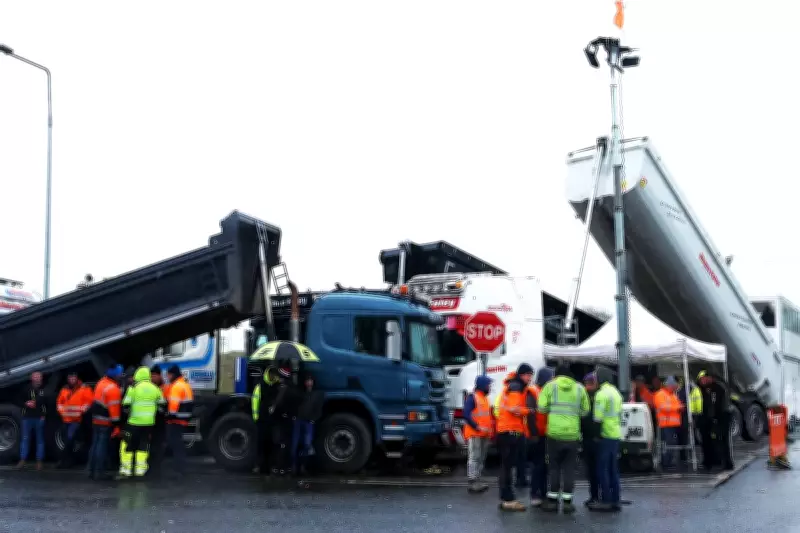
Hauliers and agricultural contractors initiated a series of protests earlier this week, which have rapidly escalated from slow-moving motorway convoys and restricted access to Dublin's busiest streets to full-scale blockades of critical fuel depots. These depots supply approximately half of Ireland's fuel, with access now severely restricted at key locations including:
- Ireland's only oil refinery in Whitegate, County Cork
- Fuel depots in Galway City
- Strategic supply points in Foynes, County Limerick
The protests, triggered by rising fuel prices exacerbated by the conflict in Iran, have already caused some forecourts to run dry and prompted concerns about panic buying. More alarmingly, emergency services and essential animal welfare deliveries to farms are facing significant disruptions.

Government Response and Security Measures
Government leaders have strongly condemned the protests, labeling them as wrong and accusing demonstrators of holding the country to ransom. In response, the Irish army remains on standby to assist gardai in removing blockades from critical infrastructure, including fuel depots. Gardai have confirmed their presence at an incident in Whitegate, County Cork, as tensions continue to mount.
Transport Minister Darragh O'Brien expressed extreme concern about the failure to disperse fuel supplies across the country, particularly after receiving reports of curtailments to fire and emergency services. No-one can stand over that, he stated, emphasizing the need for immediate de-escalation to avoid heavy-handed interventions.
Economic and Political Fallout
Enterprise Minister Peter Burke revealed that the government is working on a package of measures to combat inflation, potentially to be announced imminently. This intervention aims to reduce grocery prices for consumers and vulnerable populations, addressing broader economic pressures beyond the fuel crisis.
Meanwhile, government ministers met with representative bodies of farmers and hauliers to discuss additional support for dealing with high fuel costs. However, protesters, including spokesman John Dallon, were refused entry to these discussions at the Department of Agriculture. Dallon insisted that demonstrations would continue until we get a result, expressing frustration at being turned away despite assurances from TDs that he could attend.
Broader Implications and Mediation Efforts
The Taoiseach's warning underscores the gravity of the situation: if a tanker off the coast of Galway cannot dock due to blockades, Ireland risks losing its oil supply to other buyers in a competitive global market. This scenario threatens to exacerbate existing shortages and drive prices even higher.
In a bid to resolve the standoff, Ger Hyland, president of the Irish Road Haulage Association, has offered to act as an honest broker between protesters and the government. He has been in contact with demonstrators through intermediaries and is available to convey their concerns to officials before further meetings.
As the crisis unfolds, the balance between addressing legitimate economic grievances and maintaining essential national infrastructure remains precarious, with all eyes on whether dialogue or further escalation will prevail.






