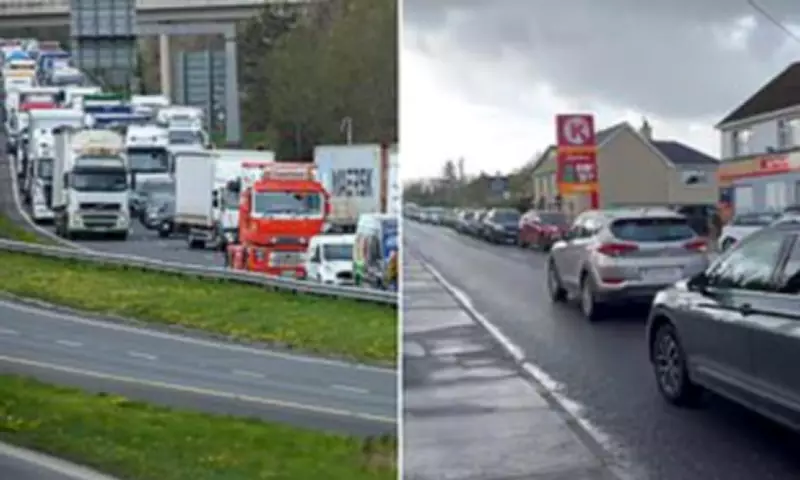
Fuel Crisis Grips Ireland as Panic Buying and Protests Cause Widespread Disruption
Drivers across Ireland have been engaging in panic buying of petrol and diesel, leading to severe shortages at forecourts nationwide. This crisis has been triggered by a combination of skyrocketing global oil prices and escalating protests by hauliers and agricultural contractors demanding government action to reduce fuel costs.
Soaring Prices and Strategic Blockades
The price of diesel in Ireland has surged to approximately £1.86 per litre, with petrol reaching around £1.66 per litre. These increases are partly driven by global factors, including Iran's actions in the Strait of Hormuz, which have choked oil supplies. In response, protesters have implemented a series of strategic blockades, targeting motorways, Dublin's busiest streets, and critically, key fuel refineries and distribution hubs that supply half the country.
Notable sites affected include the major oil refinery in Whitegate, County Cork, as well as fuel depots in Galway City and Foynes, County Limerick. The protests, which began on Tuesday with slow-moving convoys, have rapidly escalated to full-scale blockades, severely disrupting fuel logistics and supply chains.

Government and Emergency Response
Justice Minister Jim O'Callaghan and Defence Minister Helen McEntee have confirmed that the army remains on standby to assist police in clearing heavy vehicles from blockades if necessary. Gardaí have been actively engaging with protesters, warning of potential arrests for non-compliance, as seen in incidents near Rosslare Europort in County Wexford.
The National Emergency Co-ordination Group (NECG) has expressed serious concern over the situation. While Ireland's overall fuel supplies are described as robust and resilient, the obstruction of key routes from ports is threatening the delivery of animal feed, fertiliser, and other vital materials, posing risks to animal welfare and agricultural livelihoods.
Impact on Critical Services and Public Health
The Health Service Executive (HSE) has reported that the disruptions are causing patients to miss medical appointments and are impacting home care services, as well as critical treatments such as dialysis and cancer care. There are also warnings that time-sensitive deliveries of medicines and medical devices could be compromised.
Kevin McPartland, chief executive of Fuels For Ireland, has warned that the number of forecourts running dry will get much worse, with panic buying firmly taking hold. He highlighted that emergency service vehicles are at risk, which could lead to real significant life-death problems.
Protesters' Demands and Ongoing Negotiations
Protesters are demanding that the government cut excise duty and carbon tax, particularly on green diesel, and implement a price cap on fuel. Despite claims that demonstrations would be lifted once government meetings occurred, spokesman James Geoghegan stated that protests would continue due to a lack of trust in the government, specifically citing disrespect from Micheal Martin.
Protest representatives are set to join a meeting with farmers' groups and government officials on Friday afternoon. However, some blockades have been partially lifted to allow for essential deliveries, such as fuel for frontline workers and hospitals, and chemicals for Uisce Eireann, as confirmed by protesters like Neilus O'Connor on RTE's Morning Ireland.
As the crisis unfolds, social media footage has shown gardaí escorting trucks from Rosslare Europort after constructive engagement, but the situation remains volatile with widespread implications for Ireland's economy, public safety, and daily life.