Irish Government Announces €505 Million Fuel Cost Relief Package
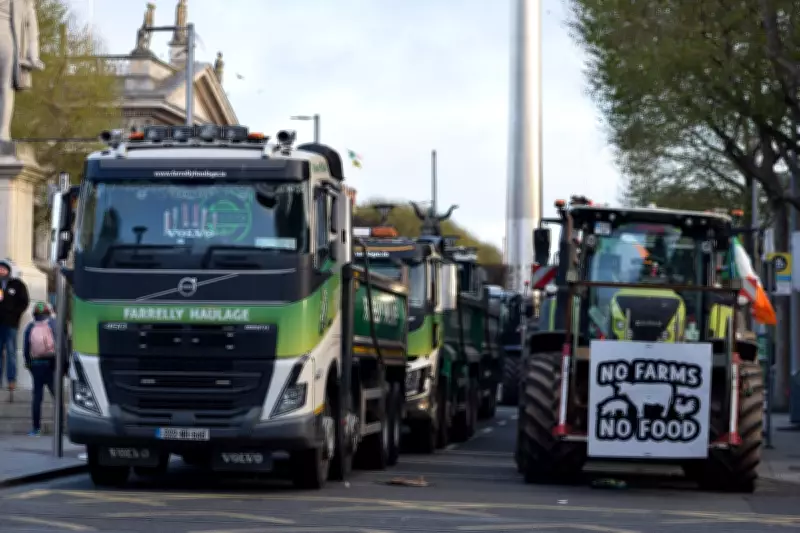
Irish premier Micheal Martin has unveiled a substantial €505 million (£440 million) package of fuel-cost measures following an emergency Cabinet meeting. This announcement comes in direct response to widespread protests that severely disrupted fuel distribution across Ireland. The new measures include further reductions in fuel duties and a significant delay in a scheduled carbon tax increase.
Protest Disruption and Government Response
The protests, which began on Tuesday, saw hauliers, farmers, and agricultural workers coordinating slow-moving convoys and blockades of critical infrastructure. These actions included blockades at Ireland's only oil refinery in Whitegate, Co Cork, and other key depots, resulting in more than a third of the country's filling stations running dry. The disruption prompted escalated policing responses, with several arrests made during clashes between public order units and protesters.
Government ministers refused to engage directly with protesters, instead holding talks with established representative bodies from the transport and agricultural sectors. These discussions culminated in Sunday's announcement of the comprehensive relief package.

Details of the Fuel Cost Measures
The €505 million package builds upon €250 million (£218 million) worth of measures announced almost three weeks earlier. Key components include:
- Extending previously announced reductions in excise duty on petrol, diesel, and marked gas oil ("green diesel") from the end of May to the end of July
- Further reducing minimum oil taxes by 10 cent per litre on petrol, 10 cent per litre on diesel, and 2.4 cent per litre on green diesel
- Postponing a scheduled increase of the carbon tax rate from May until the Budget in October
- Implementing a transport support scheme for haulage operators, school transport providers, and some commercial operators
- Establishing a fuel subsidy support scheme for those in farming and fishing
These measures will take effect from midnight on Wednesday, subject to approval in the Dail parliament. Once implemented, excise will have been reduced by a total of 32c on diesel, 27c on petrol, and 7.4c on green diesel.
Policing Operations and Infrastructure Clearing
Irish police service An Garda Siochana conducted several operations to clear blockades throughout the weekend. On Saturday, they cleared the blockade at the Whitegate oil refinery in Co Cork, where physical clashes occurred between protesters and gardai, who used pepper spray during the hour-long operation.
Garda Commissioner Justin Kelly subsequently vowed to step up enforcement against protesters "endangering the state" by blocking critical infrastructure. Additional operations saw the clearing of a blockade on Dublin's O'Connell Street in the early hours of Sunday morning, and the Defence Forces assisted gardai in clearing a makeshift barrier at Galway docks using heavy-lift recovery trucks.
Ongoing Challenges and Opposition Criticism
Ireland's National Emergency Coordination Group warned that "it will take several days for fuel distribution to return to normal," with some industry representatives suggesting it could take up to 10 days. The group expressed concerns about workers' access to fuel for commuting, which jeopardizes critical services, health services, and business operations.
Opposition parties have strongly criticized the government's response to the fuel-price crisis and its handling of the protests. Sinn Fein plans to table a motion of no confidence when the Dail parliament resumes on Tuesday.
Regional Implications and Public Safety
With schools returning on Monday, Bus Eireann confirmed its intention to resume school transport services. Meanwhile, police in Northern Ireland stated they are "maintaining an ongoing assessment" regarding social media posts calling for similar planned protests there, with a policing response prepared if needed.
The public has been urged against panic buying and warned that storing fuel at home or in unsafe locations presents significant safety risks. Authorities have emphasized the importance of only purchasing necessary fuel to ease local supply issues and traffic congestion.