Trump's Iran War Could Revive Global Coal Dependence, Echoing Carter Era
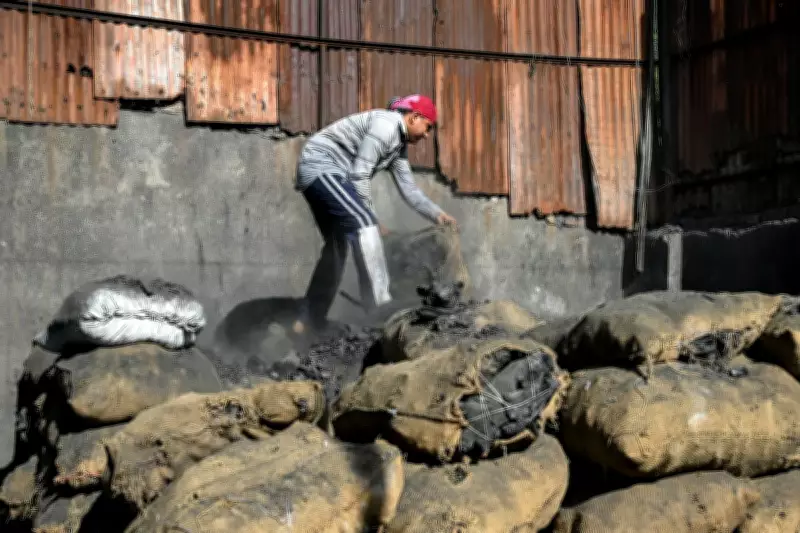
A laborer sorts coal at a depot in Ahmedabad, India, on 27 March, a stark image highlighting the persistent global reliance on this fossil fuel. As the United States and Israel engage in conflict with Iran, an energy crisis is unfolding that threatens to reverse decades of environmental progress by making coal attractive again.
Historical Parallels to the 1970s Energy Shortage
In 1977, President Jimmy Carter addressed the nation in a fireside chat, urging Americans to conserve energy by lowering thermostats during a bitter winter. While remembered for promoting solar power research, Carter's most significant move was aggressively developing domestic coal, dubbed America's "black hope" by Energy Secretary James Schlesinger.
Today, under President Donald Trump, the United States faces a similar predicament. Gasoline prices have surged, potentially driving inflation to a three-year high, and fears of stagflation are resurfacing. Trump is intensifying efforts to exploit US fossil fuels, much like Carter did decades ago.

The Rationale for Renewables Amid Conflict
The war-induced energy crisis presents a compelling case for accelerating the transition to renewable energy sources such as solar and wind power. These alternatives are largely domestically produced, reducing vulnerability to geopolitical chokepoints like the Strait of Hormuz, where Iran is restricting energy flows.
This argument holds even greater weight in Europe and Asia, regions heavily dependent on energy imports. British Prime Minister Keir Starmer emphasized that homegrown renewables could stabilize energy bills and enhance national security. Moreover, shifting away from fossil fuels aligns with global climate goals to mitigate the climate crisis.
Why Coal Remains a Tempting Alternative
Despite the apparent logic of renewable investment, economic realities favor coal. Renewables face significant hurdles: wind turbines and batteries rely on critical minerals dominated by China, which uses this control as a geopolitical tool. Additionally, the Iran conflict has driven up inflation and interest rates worldwide, increasing the cost of capital for renewable projects.
Coal consumption has risen by approximately 1.3 billion tons since 2020, reaching 8.8 billion tons globally. While demand in India and China fuels this growth, crises like Russia's invasion of Ukraine have also spurred coal use, as Europe sought alternatives to Russian gas.
Global Shifts and Climate Implications
Coal's share of global energy supply has increased from 23% in 2000 to 28% in 2023, despite international climate agreements. The Iran war could exacerbate this trend by disrupting natural gas supplies, prompting countries to revert to coal.
In Asia, nations such as Japan, India, and South Korea are already boosting coal usage or considering immediate increases. In Europe, Italy has postponed coal plant shutdowns by 13 years, and Germany may reactivate idled facilities.
Carter's Legacy and Future Challenges
Carter's energy initiatives serve as a cautionary tale. Although he championed renewables, installing solar panels on the White House and aiming for 20% renewable energy by 2000, the US achieved only 4% by that deadline, while coal supplied 23%.
Currently, coal meets about 9% of US energy demand, slightly less than renewables. However, global instability threatens decarbonization efforts, risking a regression to dirtier fuels. The world stands at a crossroads, where short-term energy security could undermine long-term environmental sustainability.