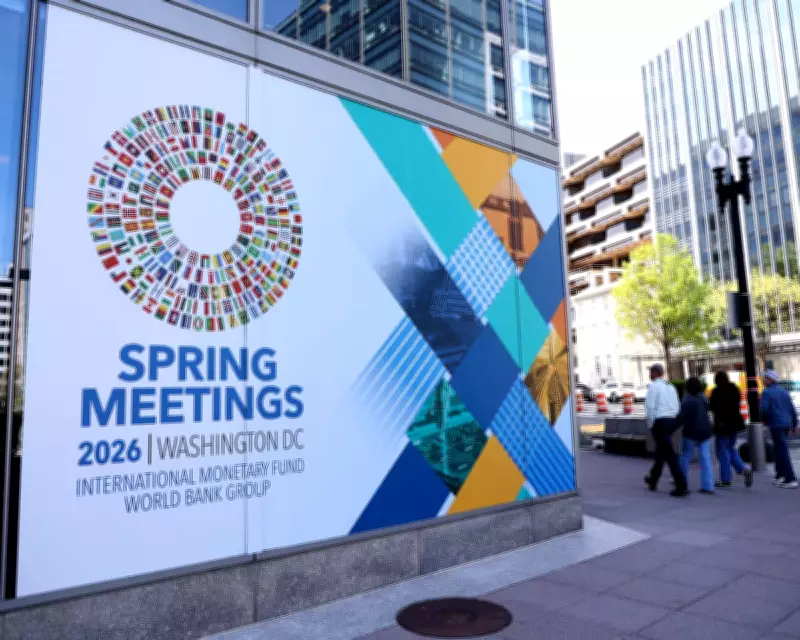
Iran Conflict Poses Major Risk to Global Oil Markets and Inflation
The World Bank and International Monetary Fund have issued stark warnings that escalating military tensions in Iran could severely disrupt global oil supplies, leading to a sharp increase in energy prices and exacerbating inflationary pressures across the world economy. In a recent assessment, financial experts highlighted the potential for significant economic fallout if the situation deteriorates further, with Washington and other major capitals closely monitoring developments.
Potential Impact on Energy Markets and Consumer Costs
Analysts predict that any conflict involving Iran, a key player in the Middle East's oil production, could trigger immediate volatility in crude oil markets. This instability is expected to drive up costs for gasoline, heating, and industrial energy, directly impacting household budgets and business operations. The ripple effects may extend to higher prices for goods and services, compounding existing inflationary challenges in many countries.
Global Economic Repercussions and Policy ResponsesInternational institutions like the World Bank and IMF are urging governments to prepare contingency plans to mitigate the economic shocks. Potential measures include strategic oil reserve releases, monetary policy adjustments, and support for vulnerable populations affected by rising costs. The situation underscores the interconnectedness of global energy markets and the need for coordinated action to stabilise prices and protect economic growth.

Beyond immediate price spikes, prolonged conflict in Iran could lead to sustained higher energy costs, hindering recovery efforts and increasing financial strain on developing nations. The geopolitical implications also raise concerns about regional stability and security, with potential knock-on effects for trade and investment flows. Experts emphasise the importance of diplomatic efforts to de-escalate tensions and safeguard global economic stability.